
Living self-sufficiently in arid regions presents unique challenges and opportunities. The harsh climate, limited water, and extreme temperatures require careful planning and adaptation. For those drawn to off-grid homesteading in deserts, understanding the essentials of survival is critical for long-term success. This guide explores practical strategies for thriving in dry environments, from water sourcing to sustainable food production and energy management.
Before diving into the core strategies, it’s helpful to learn from others who have embraced a rural off-grid lifestyle. Their experiences can offer valuable insights into the realities, pros, and cons of living independently in remote areas.
Choosing the Right Desert Location
Selecting a suitable site is the foundation of any successful homestead. In arid climates, factors like soil quality, access to groundwater, and proximity to resources become even more important. Look for land with some natural vegetation, as this often indicates the presence of underground moisture. Avoid areas prone to flash flooding or those with highly saline soil, which can hinder plant growth.
Local zoning laws and land use regulations should also be considered. Some regions may restrict water collection or off-grid construction, so research thoroughly before purchasing property.
Water Sourcing and Conservation for Arid Homesteads
Water scarcity is the most pressing concern for anyone practicing off-grid homesteading in deserts. Reliable access to water is non-negotiable, so multiple strategies should be combined:
- Rainwater Harvesting: Install large-capacity tanks and gutter systems to capture every drop during rare rain events.
- Greywater Recycling: Reuse water from sinks, showers, and laundry for irrigation, using safe soaps and detergents.
- Drip Irrigation: Minimize evaporation and deliver water directly to plant roots.
- Mulching: Cover soil with organic matter to retain moisture and reduce temperature fluctuations.
- Water-Efficient Fixtures: Use low-flow taps and composting toilets to reduce household consumption.
If groundwater is available, a well with a solar-powered pump can be a long-term solution. However, always test water quality for contaminants and salinity before relying on it for drinking or irrigation.
Building Materials and Shelter Design for the Desert
Shelter in the desert must provide protection from intense sun, high winds, and dramatic temperature swings. Traditional building methods often use local materials like adobe, cob, or earthbags, which have excellent thermal mass and help regulate indoor temperatures.
Key design principles include:
- Thick Walls: Insulate against heat during the day and cold at night.
- Shaded Windows: Orient windows to minimize direct sun exposure and use overhangs or shade structures.
- Ventilation: Encourage airflow with vents and high ceilings to keep interiors cool.
- Reflective Roofs: Light-colored or reflective materials reduce heat absorption.
Incorporating passive solar design can further reduce energy needs, making your homestead more sustainable and comfortable.
Growing Food and Raising Animals in Dry Environments
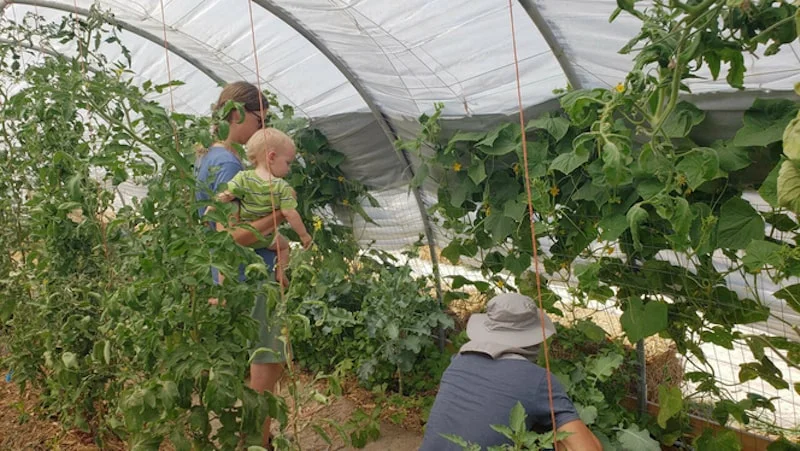
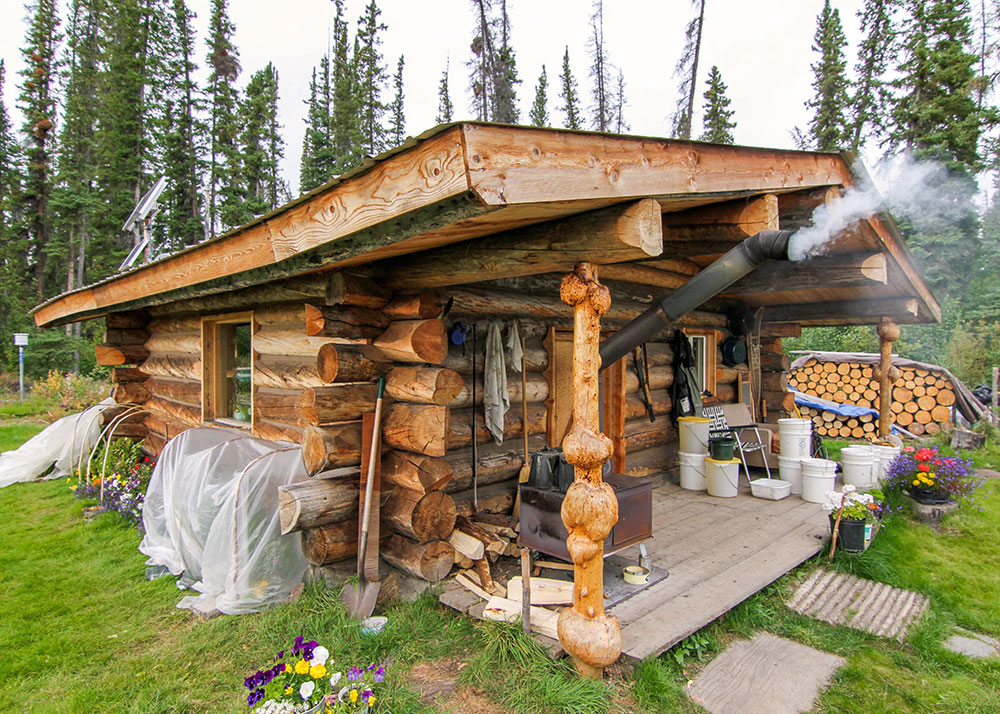
Food production in deserts requires adaptation to the climate. Choose drought-tolerant crops such as beans, squash, amaranth, and certain grains. Raised garden beds with quality soil and mulch can help conserve water and improve yields. Shade cloths or simple hoop houses can protect plants from scorching sun and wind.
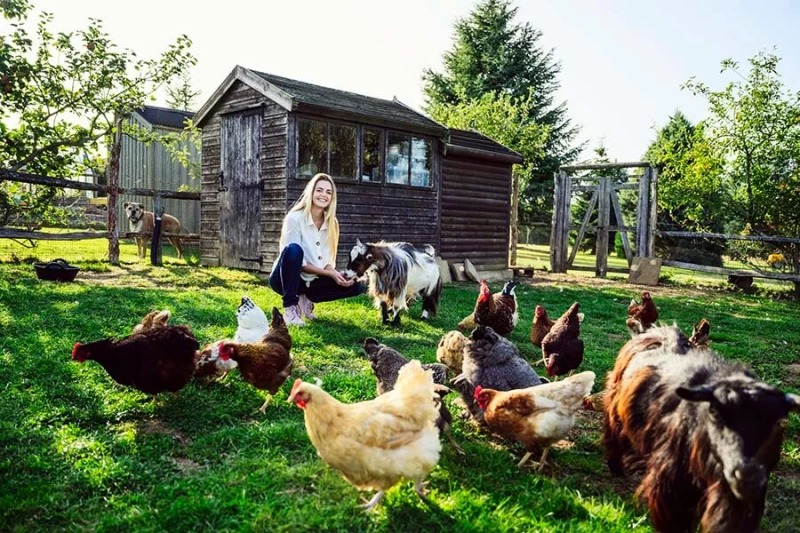
For livestock, select breeds that tolerate heat and require less water. Chickens, goats, and certain heritage sheep breeds are often suitable. Provide ample shade, cool water, and proper ventilation in animal shelters. Automatic watering systems can reduce labor and ensure animals stay hydrated.
Consider integrating permaculture principles, such as swales and keyline design, to maximize water retention and soil fertility. For more on sustainable practices, explore modern off-grid homesteading approaches that leverage both traditional wisdom and new technology.
Energy Solutions for Remote Desert Living
With abundant sunshine, solar power is the most practical energy source for desert homesteads. Install photovoltaic panels to meet electricity needs, and consider solar water heaters for hot water. Battery storage is essential for nighttime and cloudy days.
Wind turbines can supplement solar in some areas, but consistent wind is less common in many deserts. Propane or wood can be used for backup cooking and heating, but should be managed carefully to avoid overuse of limited resources.
Smart energy management is crucial. Use energy-efficient appliances, LED lighting, and timers to minimize consumption. For advanced tips, see this resource on off-grid homestead automation for optimizing energy use.
Health, Safety, and Emergency Preparedness
Living far from urban centers means you must be prepared for medical emergencies and natural hazards. Keep a well-stocked first aid kit and learn basic medical skills. It’s wise to have a plan for dealing with heat exhaustion, dehydration, and snake or insect bites.
For a comprehensive approach to staying safe, check out this guide on off-grid medical preparedness. It covers essential supplies and skills for handling emergencies when help is far away.
Fire risk is another concern in dry climates. Clear brush around your home, create defensible space, and keep firefighting tools accessible. Always have an evacuation plan in case of wildfire or severe weather.
Community, Learning, and Adaptation
While solitude is part of the appeal, connecting with other desert homesteaders can provide support and knowledge. Online forums, local meetups, and workshops are valuable for sharing tips and troubleshooting challenges.
Stay open to learning and adapting your methods. Desert environments are dynamic, and what works one year may need adjustment the next. Document your successes and failures to refine your approach over time.
For further reading on common misconceptions, see this article on off-grid homesteading myths to separate fact from fiction.
Additional Resources and Inspiration
There are many resources available for those interested in sustainable living in arid regions. For a detailed overview of setting up your own independent homestead, visit this comprehensive guide to off-grid homesteading. It covers everything from site selection to food production and energy systems.
Remember, success in desert homesteading comes from careful planning, resourcefulness, and a willingness to adapt. By following proven strategies and learning from others, you can build a resilient and rewarding life off the grid.
Frequently Asked Questions
What are the biggest challenges of living off-grid in the desert?
The most significant obstacles include securing a reliable water source, managing extreme temperatures, and growing food in poor soil. Energy generation and storage, as well as staying healthy in a remote location, also require careful planning.
How can I grow food with so little water?
Use water-saving techniques like drip irrigation, mulching, and selecting drought-tolerant crops. Raised beds and shade structures can further conserve moisture and protect plants from harsh sun.
Is solar power enough for all my energy needs?
Solar is often the best option due to abundant sunlight, but energy storage and efficiency are key. Combine solar with energy-saving appliances and consider backup sources like propane or wind, depending on your location.