

Improving the efficiency of your kitchen renovation project can save you time, money, and stress. Whether you’re a homeowner planning a DIY update or working with a contractor, understanding how to streamline each phase is essential. This guide shares practical kitchen remodeling workflow optimization tips to help you achieve a smooth, organized, and successful transformation.
From initial planning to the finishing touches, optimizing your process ensures fewer delays, better communication, and a more enjoyable experience. Before diving into the detailed steps, consider exploring related advice on kitchen remodeling visual balance tips to create a harmonious and functional space.

Why Workflow Matters in Kitchen Renovation
Many kitchen remodels run into common pitfalls: missed deadlines, budget overruns, and miscommunication. These issues often stem from a lack of clear workflow. By focusing on workflow optimization, you can:
- Reduce costly mistakes and rework
- Coordinate trades and deliveries efficiently
- Keep your project on track and within budget
- Minimize disruption to your daily life
Let’s break down the essential steps and strategies to make your kitchen upgrade as efficient as possible.
Start with a Detailed Plan
Every successful kitchen remodel begins with thorough planning. This phase sets the foundation for the entire project and helps avoid surprises later on. Consider these steps:
- Define your goals: List your must-haves and nice-to-haves. Think about layout, storage, appliances, and finishes.
- Set a realistic budget: Research costs for materials, labor, and unexpected expenses. Leave a buffer for contingencies.
- Create a timeline: Map out each phase, from demolition to installation and final touches. Factor in lead times for custom orders.
- Gather inspiration: Use resources like these kitchen remodeling ideas to clarify your vision and communicate with your team.
For more on aligning your style choices, see this kitchen remodeling style planning guide.
Sequence Tasks for Maximum Efficiency
One of the most effective kitchen remodeling workflow optimization tips is to arrange tasks in a logical order. This reduces downtime and prevents trades from working over each other. A typical sequence might look like:
- Design and planning
- Permits and approvals
- Ordering materials and appliances
- Demolition
- Structural work (walls, windows, plumbing, electrical)
- Flooring installation
- Cabinet and countertop installation
- Appliance and fixture installation
- Painting and finishing touches
- Final inspection and cleanup
Sticking to this order helps avoid delays caused by waiting for materials or having to redo completed work.
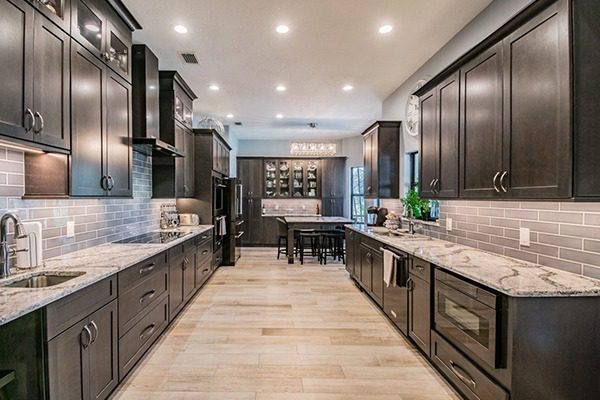
Optimize Communication and Documentation
Clear communication is vital for a streamlined renovation. Keep everyone—contractors, designers, suppliers, and family members—informed throughout the process. Here’s how:
- Hold regular check-ins: Schedule brief meetings or calls to review progress and address concerns.
- Use shared documents: Maintain a digital folder with plans, contracts, receipts, and schedules accessible to all stakeholders.
- Document changes: Any adjustments to the plan should be recorded and approved to avoid misunderstandings.
For projects with multiple zones, such as integrating a cleaning area, check out these kitchen remodeling cleaning zone layout ideas for practical layouts.
Procure Materials and Appliances Early
Delays in material delivery are a common source of frustration. To optimize your workflow:
- Order early: Place orders for cabinets, countertops, and appliances as soon as plans are finalized.
- Track deliveries: Keep a checklist of expected delivery dates and confirm with suppliers regularly.
- Inspect on arrival: Check all items for damage or defects before installation begins.
Having everything on hand before demolition starts prevents costly pauses in the schedule.

Coordinate Trades and Minimize Downtime
Efficiently scheduling trades—such as plumbers, electricians, and installers—can make or break your timeline. To keep things moving:
- Build a master schedule: List all tasks and assign dates, allowing for overlap where possible.
- Communicate dependencies: Ensure each trade knows when their work is needed and what must be completed beforehand.
- Plan for inspections: Schedule required inspections early to avoid last-minute delays.
For a seamless look, you might also want to explore hidden appliance ideas for sleek kitchens as part of your design process.
Focus on Quality Control and Final Details
As your project nears completion, attention to detail is crucial. Here’s how to ensure a polished result:
- Inspect each phase: Review work after each major milestone before moving to the next.
- Address punch list items: Make a list of small fixes or adjustments needed before final sign-off.
- Clean thoroughly: A clean space makes it easier to spot issues and enjoy your new kitchen immediately.
Don’t forget to choose hardware that complements your design. For guidance, see this kitchen remodeling hardware style guide.
Common Mistakes to Avoid During Kitchen Renovation
- Skipping the planning phase or underestimating the budget
- Not ordering materials in advance
- Poor communication with contractors and suppliers
- Improper sequencing of tasks, leading to rework
- Neglecting final inspections and quality checks
By following these kitchen remodeling workflow optimization tips, you can sidestep these pitfalls and enjoy a smoother renovation process.
FAQ: Kitchen Renovation Workflow and Efficiency
How can I keep my kitchen remodel on schedule?
Start with a detailed plan and timeline, order all materials early, and maintain regular communication with your contractors. Using a master schedule and tracking progress helps prevent delays.
What’s the best way to avoid budget overruns?
Set a realistic budget with a contingency fund, get multiple quotes, and track expenses closely. Document any changes to the scope of work and approve them before proceeding.
Should I hire a project manager for my kitchen renovation?
If your remodel is complex or involves multiple trades, a project manager can coordinate tasks, handle scheduling, and ensure quality control, making the process more efficient and less stressful.

