Choosing to live off the grid is a major lifestyle change that offers both freedom and challenges. Many newcomers are drawn to the idea of self-sufficiency, but the transition can be overwhelming. Avoiding common beginner mistakes off-grid living is essential for a smoother, more successful experience. This guide highlights the most frequent pitfalls and provides practical advice to help you start your journey with confidence.
Whether you’re planning to build a homestead or simply want to reduce your reliance on public utilities, understanding the realities of off-grid life is crucial. From energy planning to food production, each decision impacts your comfort, safety, and sustainability. For those interested in optimizing small spaces, you may also find inspiration in kitchen remodeling compact kitchen ideas for small homes, which can be especially useful in off-grid cabins and tiny houses.

Overestimating Self-Sufficiency: A Common Trap
One of the most frequent beginner mistakes off-grid living newcomers make is assuming they can immediately become fully self-sufficient. The reality is that building a reliable off-grid system takes time, resources, and a willingness to learn from setbacks. Attempting to do everything at once—such as growing all your own food, generating all your power, and handling every repair—often leads to burnout.
- Start small: Focus on mastering one or two skills at a time, such as gardening or solar power setup.
- Seek community: Connect with local homesteaders or online forums for advice and support.
- Plan for setbacks: Expect challenges and have backup plans for food, water, and energy.
Remember, off-grid living is a journey, not a race. Allow yourself time to adapt and grow your skills gradually.
Underestimating Energy Needs and System Design
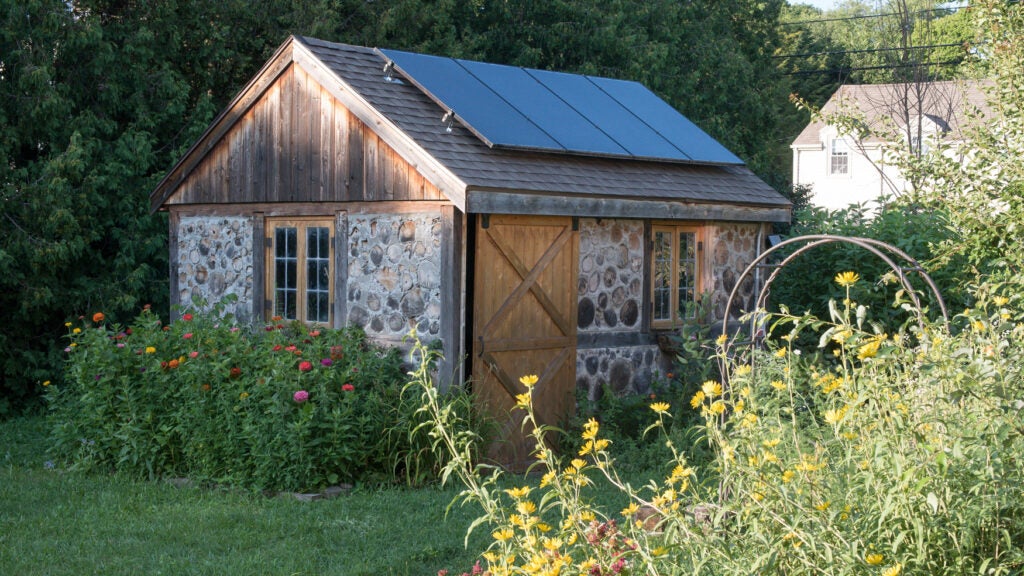
Another major pitfall is misjudging how much energy your household will actually require. Many first-timers install solar panels or wind turbines without accurately calculating their daily consumption. This can result in frequent power shortages or the need to rely on costly backup generators.
To avoid this, track your current energy use for at least a month before making any purchases. Consider all appliances, lighting, and seasonal needs. Invest in quality batteries and inverters, and design your system with future expansion in mind. For more insights, check out this comprehensive guide to off-grid living solutions that covers energy, water, and waste management in detail.
Neglecting Water Planning and Storage
Water is a critical resource, yet many newcomers underestimate how much they’ll need or how difficult it can be to secure a reliable supply. Relying solely on rainwater collection or a shallow well can leave you vulnerable during dry spells or system failures.
To prevent water shortages:
- Calculate your daily and seasonal water needs for drinking, cooking, bathing, and gardening.
- Install multiple collection and storage systems, such as cisterns, barrels, and backup pumps.
- Regularly test water quality and have filtration or purification options available.
Proper water management is essential for health and sustainability in any off-grid setup.
Overlooking Food Production and Storage Mistakes
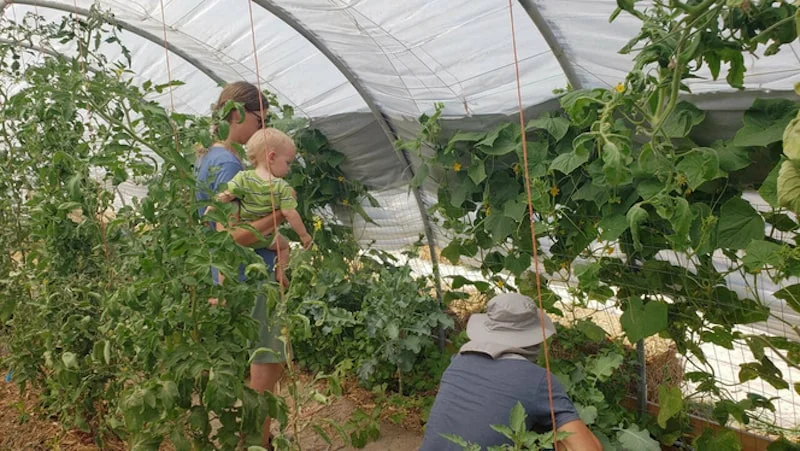
Growing your own food is rewarding, but it comes with a steep learning curve. Many beginners plant too much, too soon, or choose crops unsuited to their climate. Others forget to plan for food preservation, leading to waste during harvest season and shortages in winter.
To avoid these issues:
- Start with a small, manageable garden and expand as you gain experience.
- Choose crops that are well-adapted to your local environment.
- Learn basic preservation techniques like canning, drying, and fermenting.
Investing in raised beds can simplify gardening and improve yields. Consider a raised garden bed to make planting and maintenance easier, especially if your soil quality is poor.

Ignoring Maintenance and Upkeep
Off-grid homes require regular maintenance, from cleaning solar panels to servicing water pumps and checking battery banks. Many new homesteaders underestimate the time and effort needed for upkeep, leading to system failures and costly repairs.
Set a maintenance schedule and keep detailed records of all systems. Stock up on spare parts and essential tools to handle repairs quickly. Being proactive with maintenance will save you time, money, and frustration in the long run.
Poor Planning for Seasonal Changes
Seasonal variations can dramatically affect your off-grid lifestyle. Energy production, water availability, and food needs all shift throughout the year. Failing to plan for winter storms, summer droughts, or spring floods can leave you unprepared.
- Insulate your home and water systems to protect against freezing temperatures.
- Store extra food, water, and fuel before winter arrives.
- Adjust your energy system to account for shorter days and lower solar output in winter.
Anticipating seasonal changes and preparing in advance is key to a resilient, comfortable off-grid life.
Misjudging Costs and Budgeting
While living off the grid can reduce monthly bills, the initial investment is often higher than expected. Many beginners underestimate the cost of land, building materials, energy systems, and ongoing maintenance. Running out of funds mid-project is a common setback.
Create a detailed budget that includes all startup and recurring expenses. Leave room for unexpected costs, and prioritize essentials like shelter, water, and energy. Consider starting with a smaller project and expanding as your resources allow.
Forgetting About Comfort and Livability
Focusing solely on survival needs can make off-grid living feel like a never-ending chore. Don’t neglect comfort, convenience, and personal enjoyment. Simple upgrades—like a well-designed kitchen, a cozy living area, or a reliable chicken coop—can make daily life much more pleasant.
If you’re working with limited space, explore space optimization tips for small kitchens to make your home more functional and enjoyable.
FAQ: Off-Grid Living for Beginners
What is the biggest mistake people make when starting off-grid living?
The most common error is underestimating the complexity and time required to become self-sufficient. Many try to do everything at once, leading to overwhelm and burnout. Start small, focus on learning key skills, and build your systems gradually.
How much money do I need to start living off the grid?
Costs vary widely depending on location, land prices, and the systems you choose. Initial investments can range from a few thousand to tens of thousands of dollars. Always budget for unexpected expenses and prioritize essentials like shelter, water, and energy.
What are the best ways to avoid running out of power or water?
Track your actual usage before designing your energy and water systems. Invest in quality equipment, install backup options, and regularly maintain your systems. Having multiple water sources and storage options is especially important for reliability.
Conclusion: Succeeding in Your Off-Grid Journey
Transitioning to a self-reliant lifestyle is rewarding but requires careful planning and realistic expectations. By learning from the most common beginner mistakes off-grid living enthusiasts make, you can avoid costly errors and set yourself up for long-term success. Remember to start small, invest in quality systems, and prioritize comfort as well as sustainability. For more practical advice and inspiration, explore resources like this off-grid living blog and consider upgrades that make daily life easier and more enjoyable.