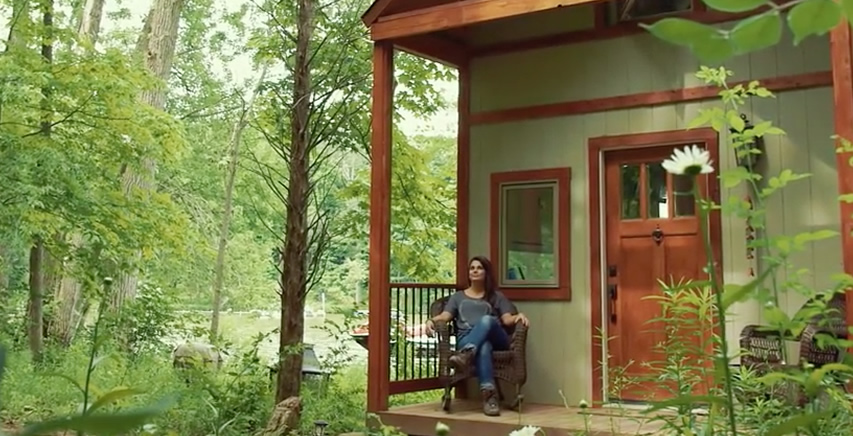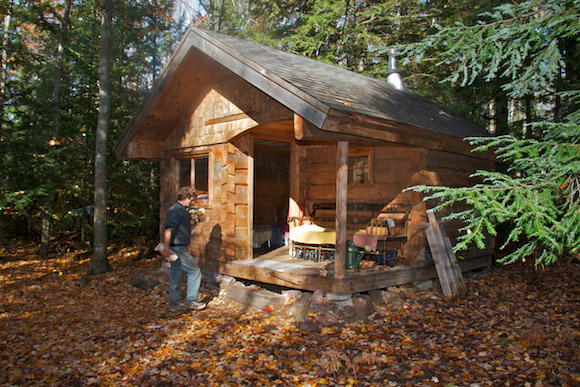

Off-grid community living is gaining momentum as more people seek sustainable, resilient lifestyles that foster collaboration and resourcefulness. By pooling resources and skills, groups can create thriving environments that reduce individual burdens and increase self-sufficiency. This article explores how shared resources are managed in these settings, from food and water to energy and tools, and highlights practical strategies for anyone interested in this lifestyle.
The concept of living independently from public utilities appeals to those who value environmental stewardship, personal freedom, and a strong sense of community. While the challenges are real, the benefits—such as lower living costs, reduced environmental impact, and deeper social connections—are significant.
For those interested in optimizing space and efficiency in their living quarters, exploring kitchen remodeling space optimization tips can be a valuable resource, even in off-grid environments.
Principles of Resource Sharing in Off-Grid Communities
At the heart of every successful off-grid settlement is a commitment to shared resources. This approach not only maximizes efficiency but also strengthens social bonds. Key principles include:
- Cooperation: Residents collaborate on daily tasks, from food production to maintenance.
- Transparency: Open communication ensures everyone understands how resources are allocated and used.
- Resilience: By pooling assets, communities are better equipped to handle challenges such as extreme weather or supply shortages.
Food Production and Distribution
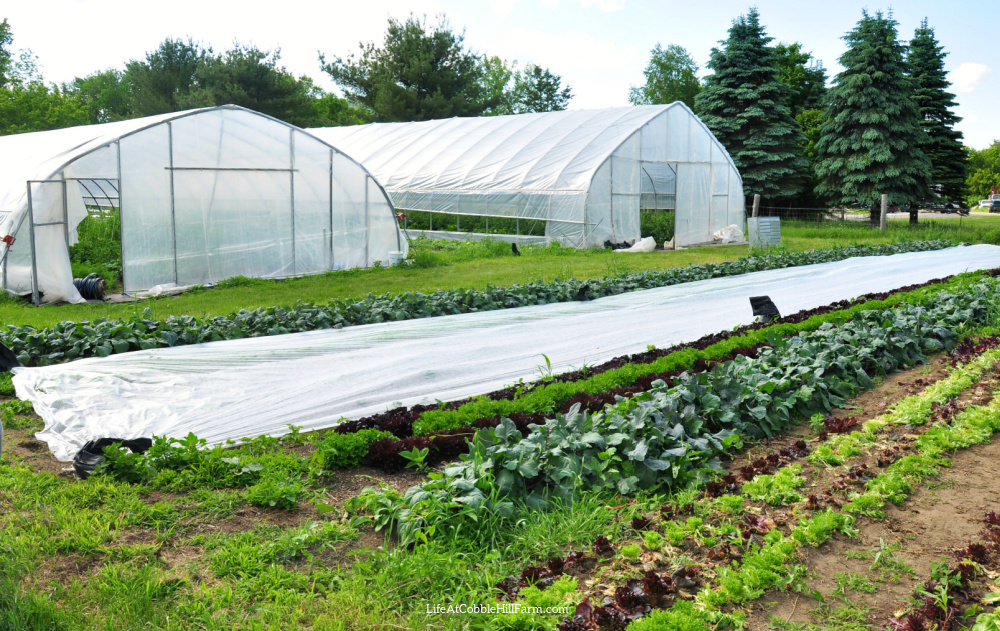
Growing food collectively is a cornerstone of many off-grid settlements. Shared gardens, orchards, and livestock areas allow residents to divide labor and enjoy a diverse, reliable food supply. Common strategies include:
- Community Gardens: Plots are tended by groups, with harvests distributed based on participation or need.
- Livestock Co-ops: Chickens, goats, or bees are cared for by rotating teams, and products like eggs or honey are shared.
- Food Preservation: Canning, drying, and fermenting are often done in communal kitchens to extend the harvest and reduce waste.
Water and Energy: Collective Management
Reliable access to water and power is essential for any off-grid group. By designing systems that serve multiple households, communities can reduce costs and environmental impact.
- Shared Wells and Rainwater Harvesting: Centralized collection and filtration systems provide clean water for all members.
- Renewable Energy Grids: Solar panels, wind turbines, or micro-hydro setups are often installed and maintained collectively, with energy distributed according to agreed-upon guidelines.
- Backup Solutions: Battery banks and generators offer resilience during periods of low production or high demand.
For more detailed guidance on sustainable energy solutions, the off-grid living guide from Briggs & Stratton provides a comprehensive overview of options and best practices.
Tools, Equipment, and Skills Exchange
Pooling tools and equipment is a practical way to reduce expenses and clutter. Many off-grid groups establish tool libraries or shared workshops, ensuring everyone has access to what they need without unnecessary duplication.
- Tool Libraries: Members borrow and return items as needed, with maintenance duties shared among the group.
- Workshops: Communal spaces for woodworking, repairs, or crafting foster skill-sharing and collaboration.
- Skill Exchanges: Residents teach each other everything from gardening techniques to solar panel maintenance, building a culture of mutual support.
Governance and Decision-Making
Effective management of shared resources requires clear agreements and fair processes. Most communities use consensus or democratic voting to make decisions, ensuring that all voices are heard. Written guidelines or bylaws help prevent misunderstandings and provide a framework for resolving conflicts.
- Regular Meetings: Scheduled gatherings allow members to discuss needs, review usage, and plan for the future.
- Task Rotations: Rotating responsibilities for chores and maintenance fosters equity and prevents burnout.
- Conflict Resolution: Mediation or facilitated discussions help address disagreements constructively.
Benefits and Challenges of Collective Living
Choosing to live in an off-grid setting with shared resources offers a range of advantages, but it also comes with unique challenges.
| Benefits | Challenges |
|---|---|
| Lower living costs | Requires compromise and flexibility |
| Reduced environmental impact | Potential for conflict over resource use |
| Stronger social connections | Time investment in meetings and planning |
| Greater resilience to disruptions | Initial setup can be complex |
Tips for Starting or Joining a Resource-Sharing Community
If you are considering this lifestyle, here are some practical steps to help you get started:
- Research Existing Models: Visit established communities or read about their approaches to resource management.
- Clarify Values and Expectations: Make sure all members agree on goals, responsibilities, and decision-making processes.
- Start Small: Begin with a few shared projects and expand as trust and experience grow.
- Document Agreements: Put guidelines in writing to avoid confusion and ensure accountability.
- Foster Open Communication: Regular check-ins and honest discussions are key to long-term success.
Frequently Asked Questions
How do off-grid communities manage shared expenses?
Most groups establish a communal fund, with members contributing regularly. This fund covers shared costs such as infrastructure, maintenance, and group purchases. Transparent accounting and regular updates help build trust.
What happens if someone uses more than their fair share of resources?
Clear usage guidelines and open communication are essential. If issues arise, they are typically addressed in group meetings or through mediation. Many communities use monitoring systems or agreed-upon limits to ensure fairness.
Can families with children thrive in these environments?
Yes, many off-grid settlements are family-friendly. Children benefit from close-knit social networks, hands-on learning, and a strong connection to nature. However, it’s important to consider educational needs and safety when designing shared spaces.
Living in a resource-sharing environment is a practical and rewarding way to embrace sustainability, reduce costs, and build lasting relationships. Whether you are starting from scratch or joining an established group, careful planning and a spirit of cooperation are essential for success.