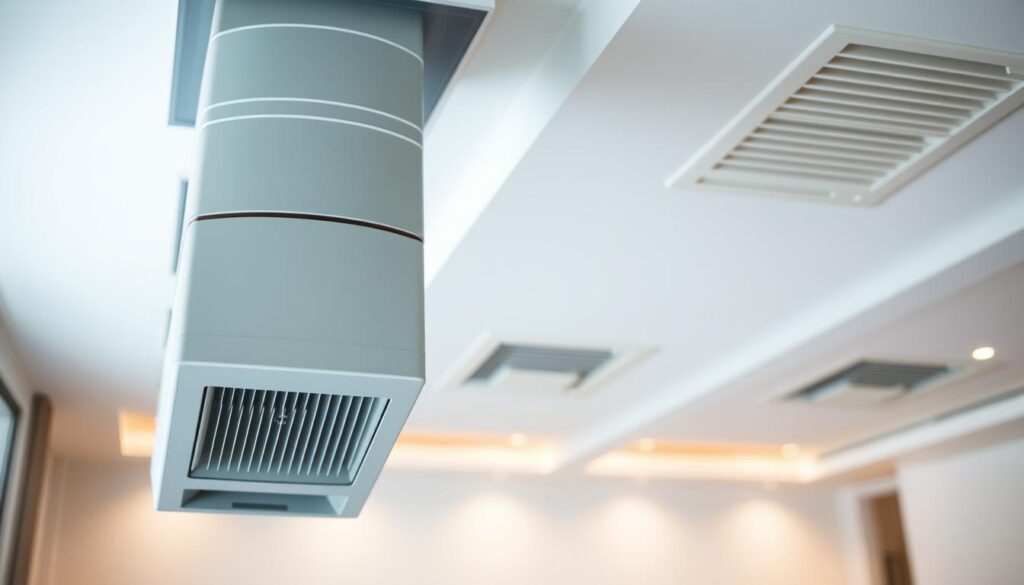
Living or working in regions with consistently high temperatures presents unique challenges for maintaining indoor comfort and air quality. Effective hot climate ventilation strategies are essential for keeping spaces cool, reducing humidity, and ensuring healthy airflow. Whether you’re upgrading a home, managing a commercial property, or simply looking to improve energy efficiency, understanding the right approaches to ventilation can make a significant difference in both comfort and cost.
This guide explores proven methods for optimizing airflow in hot environments, highlights the importance of proper system selection, and provides practical tips for implementation. If you’re also interested in specific areas like proper placement of exhaust fans, you’ll find additional resources to help you make informed decisions.
Understanding the Importance of Ventilation in Hot Regions
In areas where temperatures soar for much of the year, heat buildup inside buildings can lead to discomfort, increased reliance on air conditioning, and even health risks. Proper ventilation does more than just circulate air—it helps remove excess heat, controls indoor humidity, and reduces the concentration of indoor pollutants. By implementing well-designed ventilation solutions for hot climates, property owners can lower cooling costs, extend the lifespan of HVAC systems, and create healthier living and working environments.
Types of Systems for Hot Weather Airflow
Selecting the right system is crucial for effective temperature and moisture management. Here are some commonly used approaches:
- Natural Ventilation: Utilizes windows, vents, and architectural features to promote air movement without mechanical assistance. Cross-ventilation, where air flows from one side of a building to the other, is particularly effective in hot climates.
- Mechanical Ventilation: Includes exhaust fans, whole house fans, and ducted systems that actively move air in and out. These are especially useful when outdoor temperatures remain high at night or when natural airflow is insufficient.
- Hybrid Systems: Combine natural and mechanical methods to maximize efficiency and adapt to changing weather conditions.
For a detailed breakdown of different system types and their suitability for various properties, see this comprehensive guide to ventilation systems.
Key Principles for Effective Hot Climate Ventilation
Implementing the right strategies involves more than just installing fans or opening windows. Consider these essential principles:
- Maximize Cross-Ventilation: Position windows and vents on opposite sides of rooms to encourage natural airflow.
- Use Stack Effect: Take advantage of warm air rising by installing vents or exhausts at higher points, such as ceilings or attics.
- Control Solar Gain: Limit direct sunlight entering the building with shading devices, reflective roofing, or window films to reduce indoor heat buildup.
- Seal and Insulate: Ensure that unwanted hot air does not infiltrate through gaps, and insulate to keep cooled air inside.
- Ventilate at Night: When outdoor temperatures drop, use mechanical or natural means to flush out accumulated heat.

Room-by-Room Approaches for Cooling and Airflow
Each part of a building may require a tailored approach to ventilation. Here’s how to address some of the most challenging spaces:
- Kitchens: Cooking generates significant heat and moisture. Use range hoods and exhaust fans to remove hot air and odors. For more details, refer to kitchen ventilation explained.
- Bathrooms: High humidity from showers can lead to mold. Install ceiling exhaust fans to quickly expel moist air. See bathroom ventilation fundamentals for practical advice.
- Garages: These spaces often trap heat and fumes. Mechanical ventilation or louvered vents help maintain safe conditions, as discussed in garage ventilation basics.
- Crawl Spaces: Proper airflow prevents moisture buildup and structural damage. Review crawl space ventilation best practices for more information.
Choosing and Maintaining Ventilation Equipment
Selecting the right fans, filters, and ductwork is essential for efficient operation. Look for energy-efficient models with variable speed controls, and ensure that filters are suitable for your local air quality needs. Regular maintenance—such as cleaning filters, checking for blockages, and inspecting seals—will keep systems running smoothly and extend their lifespan.

Energy Efficiency and Sustainability Considerations
In hot climates, energy consumption can spike due to increased use of air conditioning. Integrating energy-efficient ventilation methods—such as using programmable timers, smart thermostats, and high-efficiency fans—can help reduce costs. Additionally, consider renewable energy sources like solar-powered attic fans to further decrease your carbon footprint.
When planning upgrades, balance initial investment with long-term savings. Properly designed systems not only improve comfort but also add value to your property and contribute to environmental sustainability.
Common Mistakes to Avoid
- Overlooking Airflow Paths: Ensure that furniture or stored items do not block vents or windows.
- Neglecting Regular Maintenance: Dirty filters and blocked ducts reduce efficiency and air quality.
- Ignoring Local Climate Data: Tailor your approach to the specific temperature, humidity, and prevailing wind patterns in your area.
- Using Undersized Equipment: Fans and vents must be appropriately sized for the space to provide adequate airflow.
FAQ: Hot Climate Ventilation
What is the most effective way to ventilate a home in a hot climate?
The best approach combines cross-ventilation with mechanical systems like whole house fans or ceiling exhaust fans. This allows for rapid removal of hot air and brings in cooler air when outdoor temperatures permit. Using programmable controls and ensuring proper placement of vents further enhances efficiency.
How can I reduce humidity indoors during hot weather?
Use exhaust fans in high-moisture areas such as bathrooms and kitchens, and consider installing a dehumidifier if humidity remains high. Sealing gaps and ensuring adequate insulation also help prevent humid outdoor air from entering.
Are there sustainable options for cooling and airflow?
Yes, solar-powered attic fans, energy-efficient appliances, and passive design features like shading and reflective materials all contribute to sustainable ventilation. Hybrid systems that combine natural and mechanical methods are particularly effective for reducing energy use.