
Living in a compact home comes with unique challenges, and one of the most important is ensuring proper ventilation in tiny houses. Good airflow is essential for maintaining healthy indoor air, controlling humidity, and preventing mold or mildew. Without the right strategies, small spaces can quickly become stuffy, uncomfortable, and even hazardous to your health. This guide explores practical solutions and best practices for achieving effective air circulation in small dwellings, helping you create a comfortable and safe environment year-round.
Whether you’re building a new tiny home or upgrading an existing one, understanding the principles of air exchange and moisture management is crucial. We’ll cover natural and mechanical options, discuss why air quality matters so much in small spaces, and provide actionable tips for maximizing efficiency.
For those interested in the relationship between insulation and airflow, how insulation affects ventilation offers additional insights into optimizing your home’s performance.
Why Airflow Matters in Small Homes
The limited volume of air in a tiny home means pollutants, moisture, and odors can build up much faster than in larger houses. Everyday activities like cooking, showering, and even breathing release water vapor and contaminants into the air. Without adequate ventilation, these can lead to condensation on windows and walls, which encourages mold growth and damages building materials.
Proper air exchange helps to:
- Remove excess humidity and reduce the risk of mold
- Control indoor pollutants and allergens
- Maintain comfortable temperatures
- Improve overall indoor air quality
In small spaces, even minor lapses in airflow can have noticeable effects on comfort and health. That’s why a well-designed system is not just a luxury—it’s a necessity.
Types of Ventilation Systems for Tiny Homes
There are several ways to achieve effective ventilation in tiny houses. The right choice depends on your climate, budget, and whether your home is stationary or mobile.
Natural Ventilation Methods
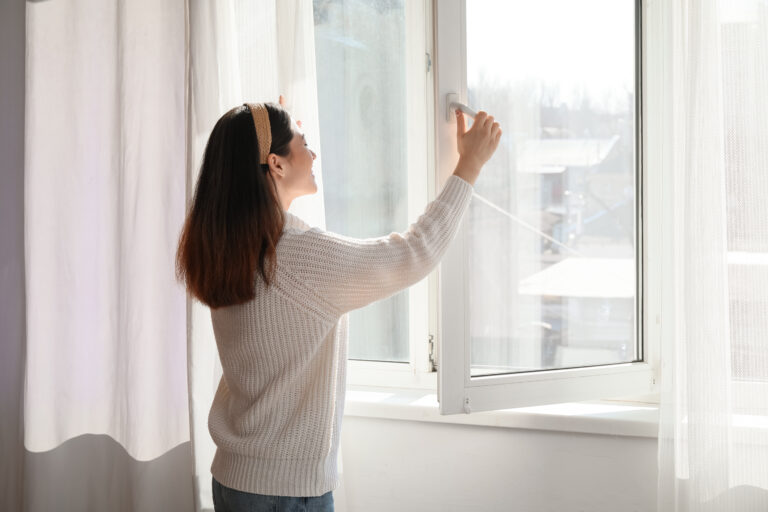
Passive airflow relies on strategically placed windows, vents, and openings to allow fresh air in and stale air out. Cross-ventilation—where windows or vents are positioned on opposite sides of the home—can be highly effective, especially when combined with ceiling or roof vents. This method uses wind and temperature differences to move air naturally.
However, passive systems may not be sufficient in humid or cold climates, or when outdoor air quality is poor. In these cases, mechanical solutions are often necessary.
Mechanical Solutions for Air Exchange
Mechanical systems offer more control and consistency. Common options include:
- Exhaust Fans: Installed in kitchens and bathrooms, these remove moisture and odors directly at the source.
- Whole House Fans: These draw in fresh air and expel stale air, helping regulate temperature and humidity throughout the home.
- Heat Recovery Ventilators (HRVs): HRVs exchange indoor and outdoor air while recovering heat, making them energy-efficient for colder climates.
- Air Filtration Kits: Useful for filtering particulates and allergens, especially if you live near pollution sources.
Combining passive and mechanical methods often yields the best results, ensuring reliable airflow regardless of weather or occupancy.

Key Considerations for Airflow in Compact Spaces
When planning for ventilation in tiny houses, several factors should guide your decisions:
- Air Sealing: Tight construction helps with energy efficiency, but can trap moisture and pollutants. It’s important to balance air sealing with adequate airflow. Learn more about the air sealing and ventilation balance for best results.
- Humidity Control: Use exhaust fans in bathrooms and kitchens to remove moisture at the source. Consider a dehumidifier if your region is especially damp.
- Filtration: In areas with pollen, dust, or smoke, filtration systems can help maintain healthy indoor air.
- Maintenance: Regularly clean vents, fans, and filters to ensure optimal performance and prevent blockages.
- Placement: Position vents and fans to maximize cross-ventilation and avoid dead zones where air becomes stagnant.
Each tiny home is unique, so tailor your approach to your specific needs and environment.
Installation and Maintenance Tips
Proper installation is critical for any ventilation system. Here are some practical tips:
- Seal around vents and fans to prevent leaks and drafts.
- Use insulated ducting where possible to minimize energy loss.
- Install timers or humidity sensors on exhaust fans for automatic operation.
- Check for obstructions in vents and clean filters regularly.
- Test airflow by holding a tissue near vents—if it doesn’t move, airflow may be insufficient.
For a deeper understanding of how to assess your home’s air tightness, see blower door test explained.
Common Challenges and Solutions
Compact homes often present unique obstacles when it comes to airflow:
- Condensation on Windows: Use double-glazed windows and run exhaust fans during activities that produce moisture.
- Odor Build-Up: Ensure kitchen and bathroom fans vent to the outside, not just into attic or crawl spaces.
- Limited Space for Ductwork: Opt for low-profile fans or ductless systems where space is tight.
- Noise: Choose quiet, energy-efficient fans to avoid disrupting daily life.
For more on how to plan for airflow during construction, see ventilation considerations during framing.
If you’re renovating, ventilation during home renovation provides tips for maintaining air quality during the process.
For a broader look at home airflow, this comprehensive home ventilation guide covers additional strategies and technologies.
Frequently Asked Questions
How often should I run exhaust fans in a tiny home?
It’s best to run exhaust fans during and after activities that generate moisture, such as cooking or showering. In humid climates, running fans for 15–20 minutes after these activities helps prevent condensation and mold.
Can I rely on windows alone for airflow?
While opening windows can provide some fresh air, it’s often not enough for year-round comfort and safety, especially in extreme weather or areas with poor outdoor air quality. Combining natural airflow with mechanical systems ensures more reliable results.
What is the best way to filter air in a small home?
Using an air filtration kit or a HEPA filter can help remove dust, pollen, and other allergens. Regularly cleaning filters and ensuring proper installation maximizes their effectiveness.
How do I know if my home has enough airflow?
Signs of inadequate ventilation include lingering odors, condensation on windows, or visible mold. You can also test airflow by holding a tissue near vents—if it doesn’t move, you may need to improve your system.