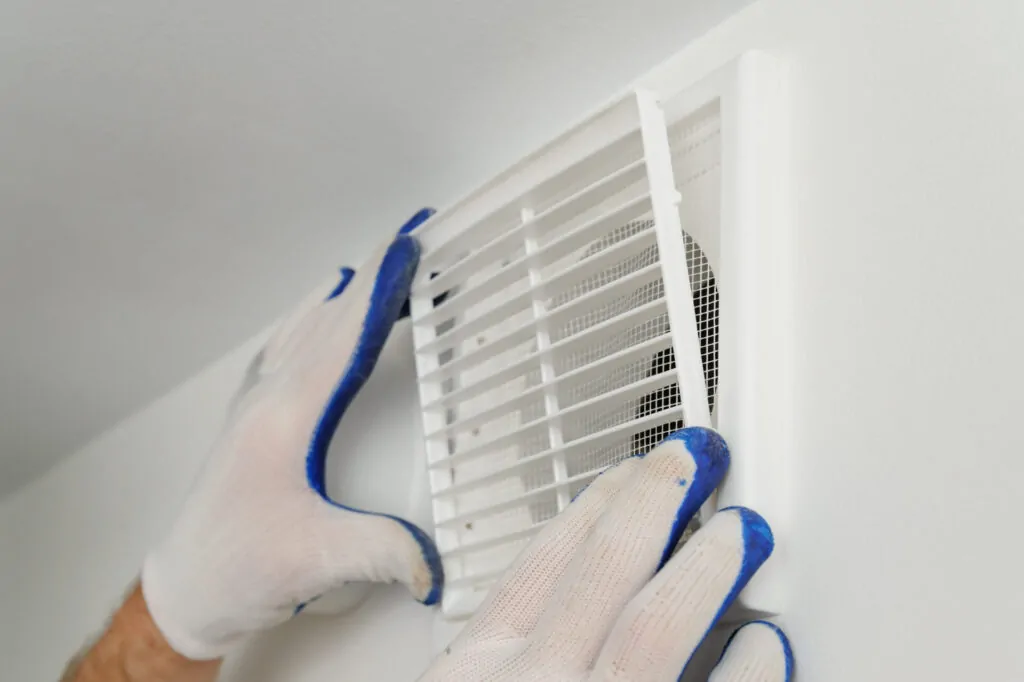

Proper ventilation is essential for maintaining a healthy and comfortable indoor environment. Whether you’re renovating a home, upgrading an HVAC system, or simply looking to improve air quality, understanding wall vent installation basics is a crucial first step. This guide covers the essential considerations, tools, and steps involved in adding or replacing wall vents, ensuring you make informed decisions for your space.
Good airflow helps control humidity, remove contaminants, and regulate temperature. Before diving into the practical aspects of installing wall vents, it’s helpful to understand how ventilation systems work and why correct installation matters. For those interested in broader design topics, you might also find value in exploring kitchen remodeling visual balance tips for harmonious home improvements.
Why Wall Ventilation Matters
Wall vents play a significant role in maintaining indoor air quality and comfort. They allow fresh air to circulate while expelling stale or humid air, reducing the risk of mold, mildew, and other air quality issues. Properly installed vents also help your heating and cooling systems run more efficiently, saving energy and reducing utility costs.
According to this overview of home ventilation systems, effective airflow management is key to a healthier home. Wall vents are a simple yet powerful component of this system, especially in areas like kitchens, bathrooms, and laundry rooms where moisture and odors accumulate.
Key Considerations Before Installing Wall Vents
Before starting any installation, it’s important to assess your needs and the specific requirements of your space. Here are some factors to keep in mind:
- Vent Type: Choose between intake and exhaust vents based on whether you want to bring in fresh air or remove stale air.
- Location: Identify the best spot on the wall for optimal airflow and minimal obstruction. Avoid placing vents near sources of dust or debris.
- Wall Material: The installation process will differ depending on whether your wall is drywall, brick, or another material.
- Size and Capacity: Select a vent size that matches your HVAC system and room dimensions for effective performance.
- Building Codes: Always check local regulations to ensure compliance with safety and ventilation standards.
Essential Tools and Materials
Having the right tools on hand will make the installation process smoother and safer. Here’s a checklist of common items you’ll need:
- Measuring tape and pencil
- Stud finder
- Level
- Drill and appropriate bits
- Jigsaw or reciprocating saw
- Screwdriver
- Caulk and caulking gun
- Wall vent kit (includes vent cover, duct, and fasteners)
- Protective eyewear and gloves
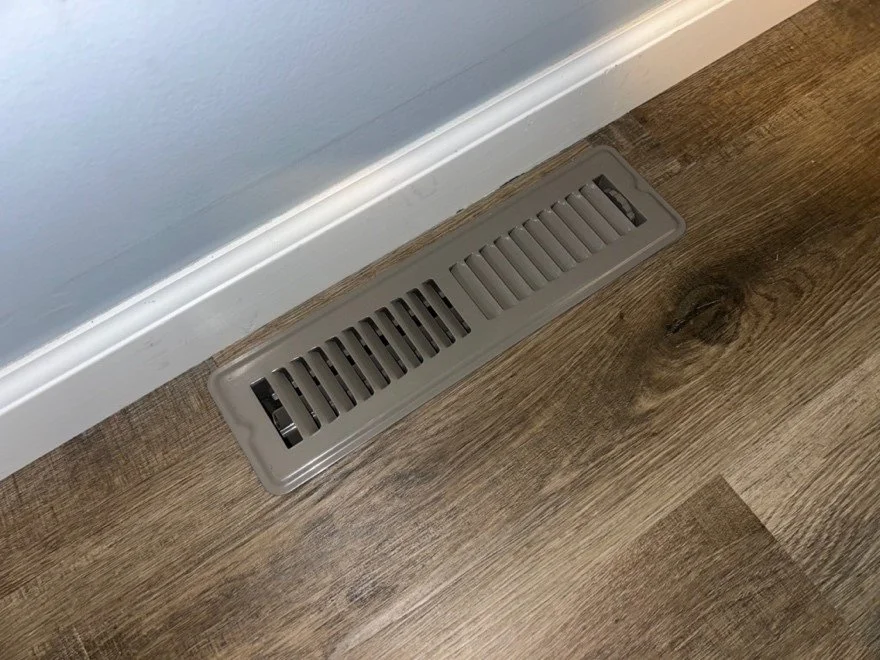
Step-by-Step Guide to Installing a Wall Vent
Once you’ve gathered your materials and selected the right vent, follow these steps to ensure a safe and effective installation:
- Mark the Location: Use a stud finder to avoid wall studs and mark the outline of the vent on the wall with a pencil. Double-check measurements for accuracy.
- Cut the Opening: Drill a pilot hole inside the marked area, then use a jigsaw or reciprocating saw to cut out the opening. Wear protective gear to prevent injury from dust or debris.
- Install the Duct: If your vent requires ductwork, insert the duct through the opening and secure it according to the manufacturer’s instructions.
- Attach the Vent Cover: Position the vent cover over the opening and fasten it with screws. Ensure it sits flush against the wall for a tight seal.
- Seal the Edges: Apply caulk around the perimeter of the vent cover to prevent air leaks and moisture intrusion.
- Test the Vent: Turn on your HVAC system or exhaust fan to check for proper airflow and to ensure there are no leaks.
Common Mistakes and How to Avoid Them
Even with a solid understanding of wall vent installation basics, some pitfalls can compromise the effectiveness of your ventilation system. Here are a few to watch out for:
- Incorrect Placement: Avoid installing vents too close to corners, ceilings, or floors, as this can restrict airflow.
- Poor Sealing: Failing to seal the vent properly can lead to drafts, moisture problems, and energy loss.
- Ignoring Ductwork: If your vent connects to ductwork, ensure all joints are secure and insulated to prevent leaks.
- Overlooking Maintenance: Regularly clean and inspect vents to keep them functioning efficiently.
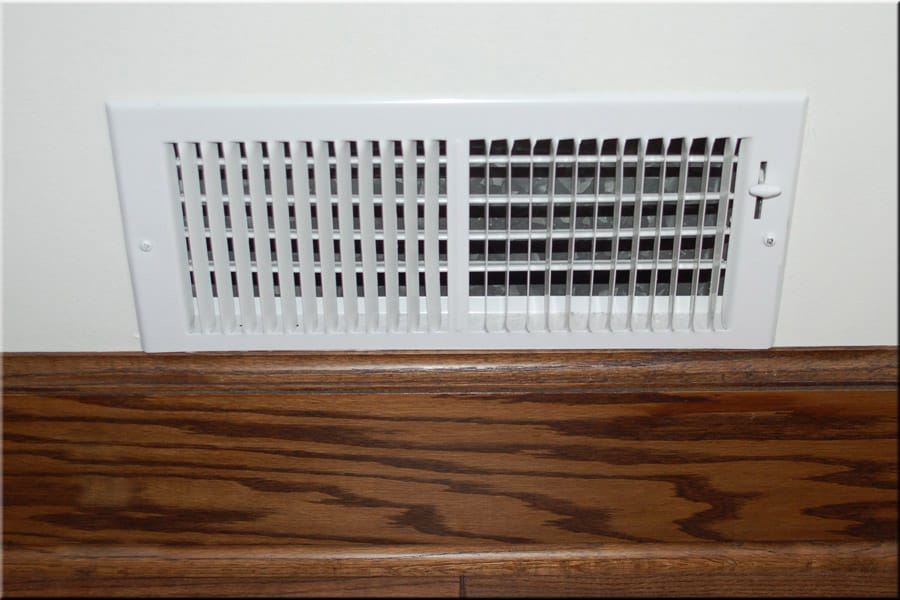
Tips for Maintaining Wall Vents
Keeping your wall vents in good condition is just as important as proper installation. Here are some maintenance tips:
- Clean vent covers regularly to prevent dust buildup.
- Inspect for signs of moisture or mold, especially in humid areas.
- Check caulking and seals annually, reapplying as needed.
- Ensure that exterior vents are free from obstructions like leaves or debris.
Integrating Wall Vents with Other Home Improvements
When planning broader renovations, such as updating your kitchen or bathroom, consider how ventilation fits into your overall design. For example, integrating new vents with modern cabinet hardware or hidden appliances can help maintain both function and aesthetics. Coordinating your ventilation upgrades with other remodeling projects ensures a cohesive and efficient result.
Frequently Asked Questions
What is the difference between an intake and an exhaust wall vent?
Intake vents bring fresh air into a room, while exhaust vents remove stale or humid air. The choice depends on your specific ventilation needs and the layout of your HVAC system.
Can I install a wall vent myself, or should I hire a professional?
Many homeowners can handle basic wall vent installation with the right tools and preparation. However, if your project involves complex ductwork, electrical connections, or cutting through masonry, it’s wise to consult a professional for safety and compliance.
How often should wall vents be cleaned or maintained?
It’s recommended to clean vent covers every few months and inspect seals and ductwork at least once a year. Regular maintenance helps prevent airflow restrictions and ensures your system operates efficiently.
Conclusion
Mastering the essentials of wall vent installation basics empowers you to create a healthier, more comfortable living space. By following the right steps, choosing quality materials, and maintaining your vents, you can enhance air quality and energy efficiency throughout your home. For further inspiration on integrating functional upgrades with design, explore resources like kitchen remodeling cleaning zone layout ideas to make the most of your next home improvement project.