


As residential buildings reach new heights, ensuring healthy indoor air quality and efficient temperature regulation becomes increasingly important. Stack ventilation in tall homes offers a passive, energy-efficient solution for moving fresh air through multi-story spaces. By leveraging natural buoyancy and pressure differences, this approach can help homeowners reduce reliance on mechanical cooling and improve comfort year-round.
In this article, we’ll explore how vertical ventilation works, the unique challenges posed by multi-level residences, and practical strategies for integrating stack-driven airflow into your home design. Whether you’re planning a new build or retrofitting an existing property, understanding these principles can make a significant difference in both comfort and energy savings.
For those interested in optimizing other areas of the home, such as the kitchen, you might also find value in resources like kitchen remodeling visual balance tips to create harmonious and functional spaces.
Understanding How Stack Ventilation Works
The core principle behind stack-driven airflow is simple: warm air rises. As heated air accumulates near the ceiling or upper floors, it creates a pressure difference that draws cooler, denser air in from lower openings. This natural movement can be harnessed to promote continuous air exchange without the need for fans or complex ductwork.
In multi-story dwellings, this effect is amplified by the vertical distance between intake and exhaust points. The greater the height difference, the stronger the upward airflow. This makes vertical ventilation strategies especially effective in homes with open stairwells, atriums, or high ceilings.
Key Benefits of Stack Ventilation for Multi-Level Residences
- Energy Efficiency: Reduces the need for mechanical cooling and ventilation, lowering utility costs.
- Improved Indoor Air Quality: Continuously removes stale air, moisture, and indoor pollutants.
- Thermal Comfort: Helps balance temperatures across different floors, minimizing hot and cold spots.
- Low Maintenance: Fewer moving parts mean less upkeep compared to powered systems.
Design Considerations for Effective Stack Ventilation in Tall Homes
Achieving optimal performance requires careful planning. Here are some essential factors to consider:
Strategic Placement of Openings
To maximize the stack effect, locate air inlets at the lowest level (such as ground-floor windows or vents) and outlets at the highest point (like skylights, roof vents, or clerestory windows). This vertical separation enhances pressure differences and increases airflow.
Open Floor Plans and Vertical Shafts
Open staircases, double-height spaces, or dedicated ventilation shafts allow air to move freely between floors. Avoid blocking pathways with solid doors or partitions unless they include transfer grilles or undercuts.
Controlling Airflow and Comfort
Adjustable vents, dampers, or motorized windows can help regulate airflow based on weather, occupancy, or comfort needs. In climates with extreme temperatures, consider integrating stack-driven systems with mechanical ventilation for year-round performance.
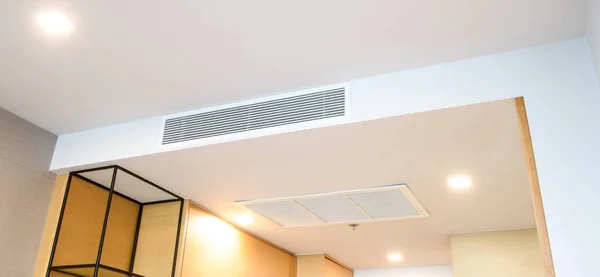
Challenges and Solutions for Tall Home Ventilation
While stack-driven airflow offers many advantages, it also presents unique challenges in taller buildings. Air stratification, pressure imbalances, and inconsistent airflow can occur if the system is not properly designed.
Preventing Air Stratification
In some cases, warm air may accumulate at the top of the home, leaving lower levels cooler. To address this, consider ceiling fans or whole-house fans that gently mix air without negating the benefits of passive ventilation.
Managing Pressure Differences
Excessive pressure differences can lead to unwanted drafts or difficulty opening doors and windows. Use adjustable vents and consider professional assessment to ensure balanced airflow throughout the home.
Combining Passive and Mechanical Systems
In climates with high humidity or pollution, stack-driven systems can be paired with filtration kits or powered exhaust fans. This hybrid approach maintains air quality while still leveraging natural forces for most of the year.
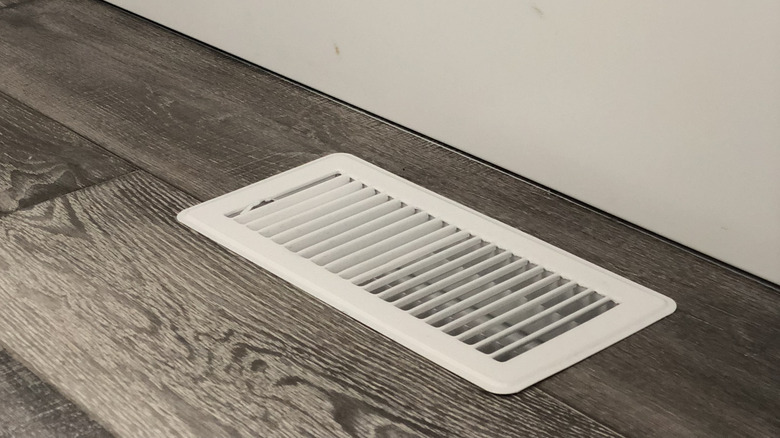
Integrating Stack-Driven Airflow with Other Home Systems
For best results, stack-driven ventilation should be considered alongside other building systems. For example, integrating with whole-house ventilation systems can provide backup during periods of low temperature difference or when outdoor air quality is poor.
Additionally, using air filtration kits can help remove pollen, dust, and pollutants from incoming air, which is especially important in urban or allergy-prone environments. Ceiling exhaust fans can further assist in extracting warm air from upper floors, boosting the overall effectiveness of passive strategies.
Best Practices for Homeowners and Builders
- Work with architects or HVAC professionals familiar with passive design principles.
- Ensure all vents and openings are properly sized and located for your specific floor plan.
- Regularly maintain and clean vents, fans, and filters to prevent blockages and maintain efficiency.
- Monitor indoor air quality and comfort, making adjustments as needed throughout the year.
Frequently Asked Questions
What is the stack effect and how does it help ventilate tall homes?
The stack effect refers to the natural movement of air caused by temperature and pressure differences between the inside and outside of a building. In multi-story residences, warm air rises and escapes through upper vents, drawing cooler air in from lower openings. This process helps circulate fresh air and regulate indoor temperatures without mechanical assistance.
Can stack-driven ventilation be used year-round?
Yes, but its effectiveness depends on climate and temperature differences between floors. In mild seasons, it works best. During extreme weather, it may need to be supplemented with mechanical systems like whole-house fans or exhaust fans to maintain comfort and air quality.
Are there any drawbacks to relying solely on passive ventilation in tall homes?
While passive systems are energy-efficient, they may not provide sufficient airflow during periods of low temperature difference or in tightly sealed homes. Combining stack-driven airflow with mechanical ventilation and filtration ensures consistent performance and indoor air quality throughout the year.
