
Proper ventilation for laundry rooms is essential for maintaining a healthy, efficient, and comfortable home environment. Laundry spaces are prone to excess moisture, heat, and airborne contaminants, all of which can lead to mold growth, unpleasant odors, and even damage to walls and appliances if not managed effectively. Whether you are designing a new laundry area or looking to upgrade an existing one, understanding the importance of air circulation and the best solutions available can make a significant difference.
This guide explores practical strategies, equipment options, and maintenance tips to help you optimize airflow in your laundry area. By implementing the right solutions, you can protect your home from moisture-related issues and create a more pleasant space for daily chores. For those interested in broader home improvement topics, you might also find value in our article on kitchen remodeling visual balance tips.
Why Proper Airflow Matters in Laundry Spaces
Laundry rooms generate substantial humidity and heat, especially when using dryers or washing machines with hot water cycles. Without adequate air exchange, this moisture can accumulate, leading to several problems:
- Mold and mildew growth on walls, ceilings, and behind appliances
- Damage to cabinetry, paint, and drywall
- Increased wear and tear on laundry equipment
- Unpleasant odors and a stuffy environment
- Potential health issues for sensitive individuals
Ensuring consistent airflow helps remove excess humidity, prevents condensation, and keeps the room fresh. This is especially important in laundry areas located in basements or interior spaces with limited natural ventilation.
Key Components of Effective Laundry Room Ventilation
There are several approaches to improving air quality and moisture control in laundry rooms. The best solution often combines multiple methods for maximum effectiveness.
Exhaust Fans for Laundry Areas
Installing a ceiling or wall-mounted exhaust fan is one of the most direct ways to expel humid air. These fans pull moisture-laden air out of the room and vent it outdoors, reducing the risk of mold and maintaining a comfortable temperature.
- Choose a fan rated for high-moisture environments
- Ensure the fan is properly ducted to the exterior, not just into the attic or another room
- Consider models with humidity sensors for automatic operation
Dryer Vents and Ducting
Clothes dryers must be vented directly outside using rigid or semi-rigid ductwork. Flexible plastic ducts are not recommended due to their tendency to trap lint and restrict airflow. Regularly inspect and clean the vent to prevent lint buildup, which can pose a fire hazard and reduce efficiency.
Natural and Passive Air Circulation
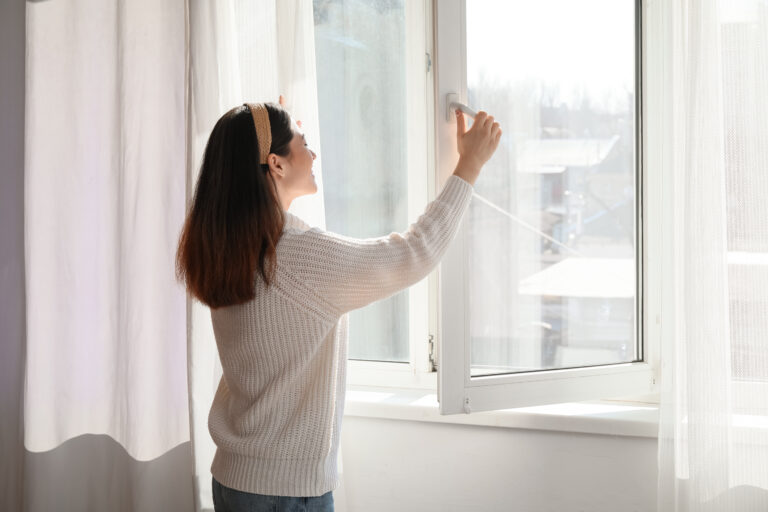
If possible, incorporate windows or vents that can be opened to allow fresh air in and humid air out. Even small operable windows can make a significant difference in reducing moisture levels. Passive vents, such as door grilles or undercut doors, can also help promote air movement between rooms.

Advanced Options for Laundry Room Air Quality
For homes with persistent moisture issues or those seeking the highest level of indoor air quality, consider these additional solutions:
Whole-House Ventilation Systems
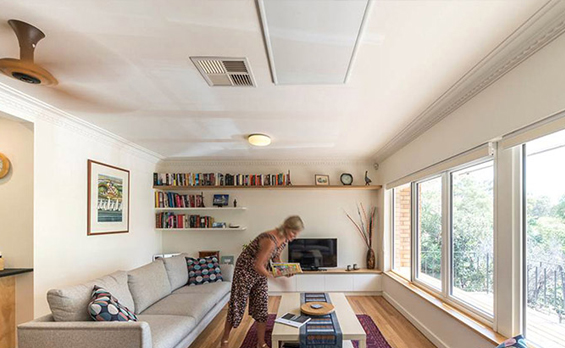
Integrating a whole-house ventilation system can provide balanced airflow throughout your home, including laundry spaces. These systems exchange stale indoor air with fresh outdoor air, helping to control humidity and reduce pollutants. For a deeper understanding, see this comprehensive explanation of whole-house ventilation systems.
Air Filtration and Purification
Adding an air filtration kit can help capture lint, dust, and other airborne particles generated during laundry cycles. This is especially useful for households with allergies or pets. Look for HEPA-rated filters or systems designed for utility rooms.
Dehumidifiers and Moisture Control
In particularly damp environments, a portable or built-in dehumidifier can be invaluable. These devices extract excess moisture from the air, helping to keep humidity at safe levels and preventing condensation on surfaces.
Installation and Maintenance Tips
To get the most out of your laundry room’s air management system, follow these best practices:
- Have exhaust fans and vents professionally installed to ensure proper ducting and sealing
- Clean dryer vents and exhaust fan grilles regularly to prevent lint buildup
- Inspect for leaks or condensation around windows, pipes, and appliances
- Replace air filters as recommended by the manufacturer
- Test humidity levels with a hygrometer and keep them below 60% to discourage mold
Consistent maintenance not only extends the life of your equipment but also ensures your laundry area remains safe and comfortable.
Design Considerations for Laundry Room Ventilation
When planning a new laundry space or remodeling an existing one, consider the following design elements to enhance airflow:
- Position appliances to allow for easy access to vents and filters
- Include space for air to circulate behind and around machines
- Opt for moisture-resistant materials on walls and floors
- Incorporate natural light and operable windows where possible
- Coordinate with other home improvement projects for a cohesive approach—see our guide on kitchen remodeling hardware style guide for more ideas
Frequently Asked Questions
How often should dryer vents be cleaned?
Dryer vents should be inspected and cleaned at least once a year, or more frequently if you notice longer drying times or a burning smell. Regular cleaning prevents lint buildup, which can reduce airflow and increase fire risk.
Can I use a bathroom exhaust fan in a laundry room?
While some bathroom fans may be suitable for small laundry spaces, it’s best to choose a fan specifically rated for high-moisture and heavy-duty use. Look for models with higher CFM (cubic feet per minute) ratings to handle the increased humidity.
What is the best way to reduce moisture in a windowless laundry room?
In windowless laundry areas, mechanical ventilation is critical. Install a ceiling or wall exhaust fan vented to the outdoors, and consider adding a dehumidifier or air filtration system for additional moisture and air quality control.
Is whole-house ventilation necessary for laundry rooms?
While not required, integrating your laundry area into a whole-house ventilation system can provide consistent air exchange and humidity control throughout your home, offering added protection against moisture and pollutants.
By prioritizing ventilation for laundry rooms, you can prevent common issues like mold, odors, and equipment damage, ensuring your laundry space remains efficient and inviting for years to come.