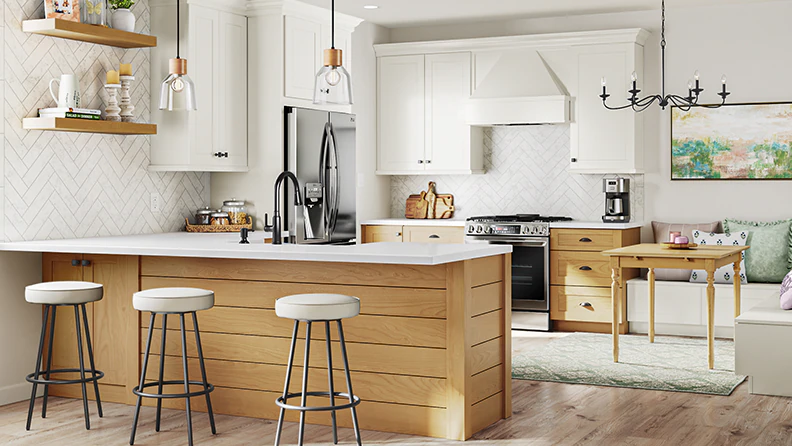
As more homeowners prioritize sustainability, the demand for eco-friendly houses continues to rise. A crucial, yet sometimes overlooked, aspect of green building is ventilation for eco-friendly homes. Proper airflow not only supports energy efficiency but also maintains healthy indoor air quality, which is vital for comfort and well-being. This article explores the essentials of sustainable ventilation, practical system options, and actionable strategies for greener living spaces.
Whether you’re building new or upgrading an existing property, understanding how to balance energy savings with fresh air circulation is key. Along the way, you’ll find tips, product recommendations, and insights to help you make informed choices for a healthier, more efficient home.

For those interested in broader sustainable design, you might also enjoy our guide on kitchen remodeling visual balance tips, which covers harmonious layouts for modern homes.
Why Sustainable Ventilation Matters
Modern eco-conscious homes are built to be airtight for maximum energy efficiency. While this reduces heating and cooling costs, it can also trap pollutants, moisture, and odors indoors. Without effective airflow, contaminants such as volatile organic compounds (VOCs), allergens, and excess humidity can accumulate, leading to health issues and potential damage to the building structure.
Integrating ventilation for eco-friendly homes ensures that fresh air replaces stale indoor air, supporting both occupant health and the longevity of the property. Additionally, well-designed systems can help regulate temperature and humidity, reducing the need for mechanical heating or cooling.
Types of Ventilation Systems for Green Homes
There are several approaches to achieving optimal airflow in sustainable buildings. Each method has its own advantages, and the best choice often depends on climate, house design, and personal preferences.
- Natural Ventilation: Utilizes windows, vents, and architectural features to encourage passive airflow. This is the most energy-efficient method, but its effectiveness depends on weather conditions and building orientation.
- Mechanical Ventilation: Employs fans and ductwork to move air in and out of the home. This approach provides consistent results regardless of outdoor conditions.
- Heat Recovery Ventilators (HRVs) and Energy Recovery Ventilators (ERVs): These advanced systems exchange stale indoor air with fresh outdoor air while transferring heat (and sometimes moisture) between the two streams. This process maintains comfort and saves energy.
- Exhaust-Only or Supply-Only Systems: Simpler setups that either remove air from specific rooms (like bathrooms) or bring in fresh air, often paired with filtration.
Key Features of Eco-Friendly Airflow Solutions
When selecting or upgrading a system, prioritize features that align with sustainability goals:
- Energy Efficiency: Look for equipment with high-efficiency motors, programmable controls, and low standby power consumption.
- Smart Controls: Automated sensors and timers can optimize operation, reducing unnecessary energy use.
- Filtration: High-quality filters trap dust, pollen, and pollutants, improving indoor air quality and supporting respiratory health.
- Quiet Operation: Low-noise fans and insulated ductwork help maintain a peaceful living environment.
- Durability and Low Maintenance: Choose systems with accessible filters and components for easy cleaning and long-term reliability.
Best Practices for Implementing Ventilation in Eco Homes
To maximize the benefits of sustainable airflow, consider these practical steps:
- Conduct an Assessment: Evaluate your home’s current airflow, insulation, and potential sources of indoor pollution.
- Seal and Insulate: Address drafts and leaks before installing new systems to prevent energy loss.
- Choose the Right System: Select a solution that matches your climate, occupancy patterns, and energy goals.
- Integrate with Other Green Features: Coordinate with solar panels, smart thermostats, and efficient appliances for a holistic approach.
- Maintain Regularly: Clean or replace filters and inspect fans to ensure peak performance.
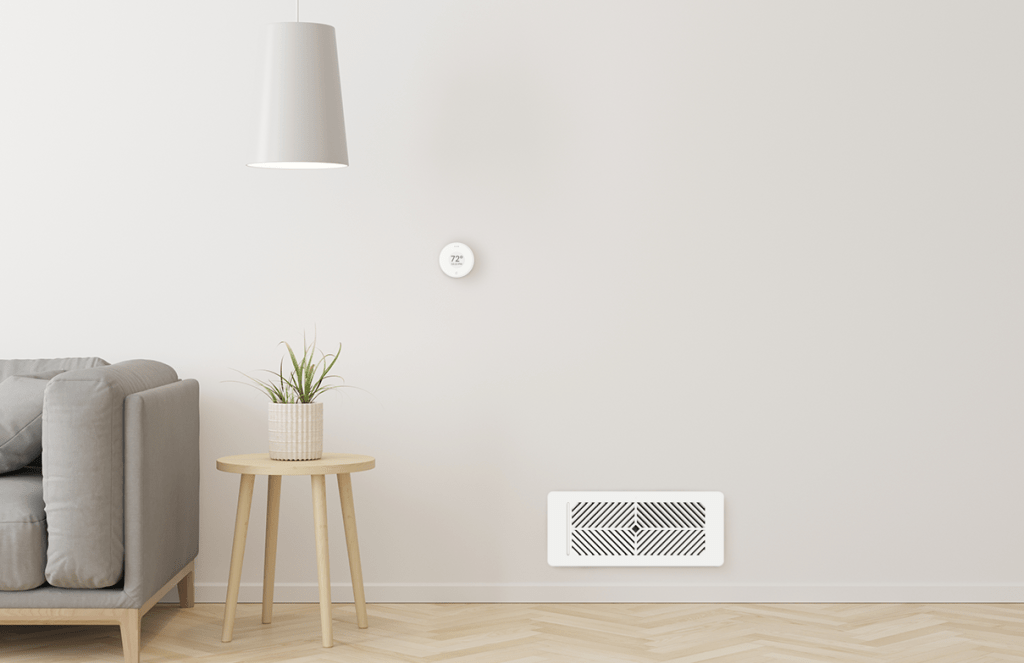
Integrating Airflow with Other Green Building Strategies
Sustainable homes often combine multiple features to maximize efficiency. For example, pairing advanced airflow systems with high-performance insulation, energy-efficient windows, and renewable energy sources can further reduce your carbon footprint. When planning a remodel or new build, coordinate your ventilation choices with other eco-friendly upgrades for the best results.
For those interested in kitchen design, integrating hidden appliances or considering kitchen remodeling hidden appliance ideas can help maintain both aesthetics and efficiency in your living space.
Common Challenges and How to Overcome Them
While the benefits of sustainable airflow are clear, homeowners may encounter a few obstacles:
- Upfront Costs: Advanced systems like HRVs and ERVs can be more expensive initially, but long-term energy savings and improved health often offset these costs.
- Complex Installation: Retrofitting older homes may require professional assessment and careful planning to avoid compromising insulation or structural integrity.
- Maintenance: Regular filter changes and system checks are essential. Neglecting maintenance can reduce efficiency and air quality.
- Climate Considerations: In humid or very cold regions, specialized equipment may be needed to manage moisture and prevent condensation.
For a detailed explanation of how home airflow systems function, see this comprehensive guide to home ventilation systems.
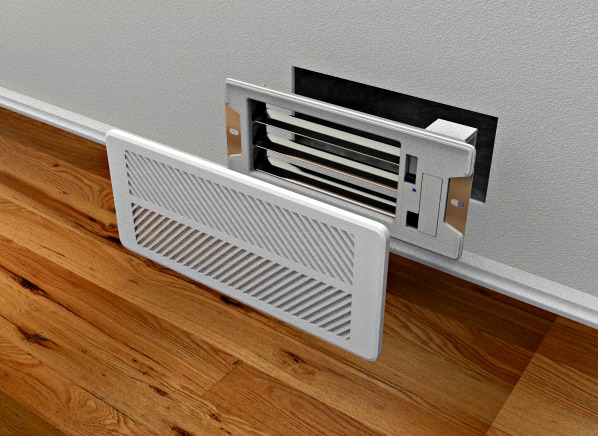
Maintaining Healthy Air in Sustainable Homes
Ongoing care is essential to keep your home’s air fresh and systems running efficiently. Here are some maintenance tips:
- Replace or clean filters according to manufacturer recommendations.
- Inspect vents and fans for dust buildup or blockages.
- Schedule annual professional checkups for mechanical systems.
- Monitor humidity levels to prevent mold and condensation.
- Use natural cleaning products to minimize indoor pollutants.
By following these steps, you can enjoy the full benefits of ventilation for eco-friendly homes—from energy savings to improved comfort and well-being.
Frequently Asked Questions
What is the most energy-efficient ventilation system for a green home?
Heat Recovery Ventilators (HRVs) and Energy Recovery Ventilators (ERVs) are among the most efficient options. They exchange stale indoor air with fresh outdoor air while transferring heat (and sometimes moisture), minimizing energy loss and maintaining comfort.
How often should I replace filters in my ventilation system?
Most manufacturers recommend checking filters every 3–6 months, but this can vary based on usage, local air quality, and the type of filter. Regular maintenance ensures optimal performance and air quality.
Can I retrofit an older home with eco-friendly ventilation?
Yes, older homes can be upgraded with modern systems, though installation may require professional assessment to address insulation, air leaks, and compatibility with existing structures. Mechanical systems, such as exhaust fans or HRVs, are often suitable for retrofits.
How does ventilation impact indoor air quality?
Proper airflow removes indoor pollutants, moisture, and odors, replacing them with fresh air. This reduces the risk of respiratory issues, mold growth, and structural damage, supporting a healthier living environment.
Conclusion
Thoughtful airflow design is a cornerstone of sustainable living. By choosing the right systems, maintaining them well, and integrating with other green building strategies, you can create a home that’s both energy-efficient and healthy. For more ideas on creating harmonious and practical interiors, explore our articles on kitchen remodeling cleaning zone layout ideas and other home improvement topics.