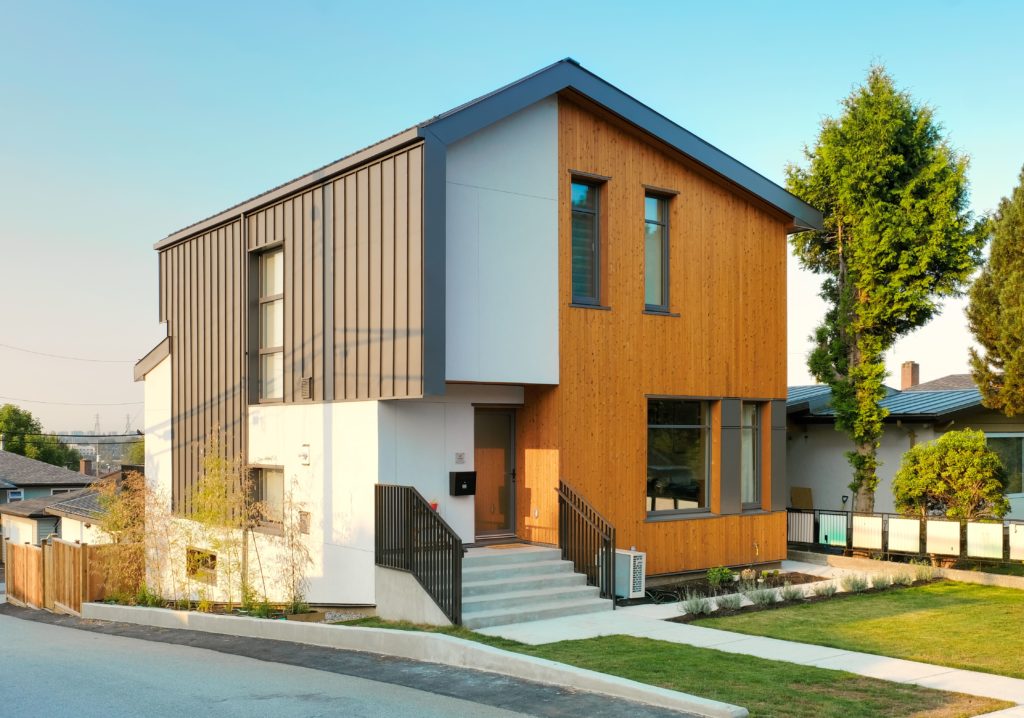

Passive homes are a modern solution to energy efficiency and environmental sustainability. One of the key aspects of these homes is their ventilation design. A well-planned ventilation system ensures fresh air circulation, maintains a comfortable temperature, and contributes to the overall energy efficiency of the home.
In this guide, we will delve into the principles of designing an effective ventilation system for passive homes, discussing the importance of air tightness, the role of thermal mass, and how to achieve optimal energy efficiency.
Before we delve into the specifics, it’s important to understand the concept of thermal mass in passive design. This principle plays a crucial role in maintaining a stable indoor temperature.
Importance of Air Tightness
Air tightness is a key factor in passive home design. It prevents uncontrolled air leakage which can lead to heat loss, thereby increasing energy consumption. A well-sealed home ensures that the ventilation system works as efficiently as possible.

Role of Thermal Mass
Thermal mass refers to the ability of a material to store heat and then slowly release it. In passive homes, materials with high thermal mass are used to absorb heat during the day and release it during the night, helping to maintain a consistent indoor temperature.

Achieving Optimal Energy Efficiency
To achieve optimal energy efficiency in passive homes, the ventilation system must be designed to minimize heat loss while ensuring a continuous supply of fresh air. This can be achieved through strategies such as heat recovery ventilation and the use of energy-efficient appliances. For more information on how to design energy-efficient homes, you can refer to this comprehensive guide.
As we conclude, it’s important to remember that the design of a passive home’s ventilation system should be tailored to the specific needs of the home and its occupants. Investing in a solar cam ensures visibility and using powered fans to ventilate can significantly improve the efficiency of your passive home’s ventilation system.