
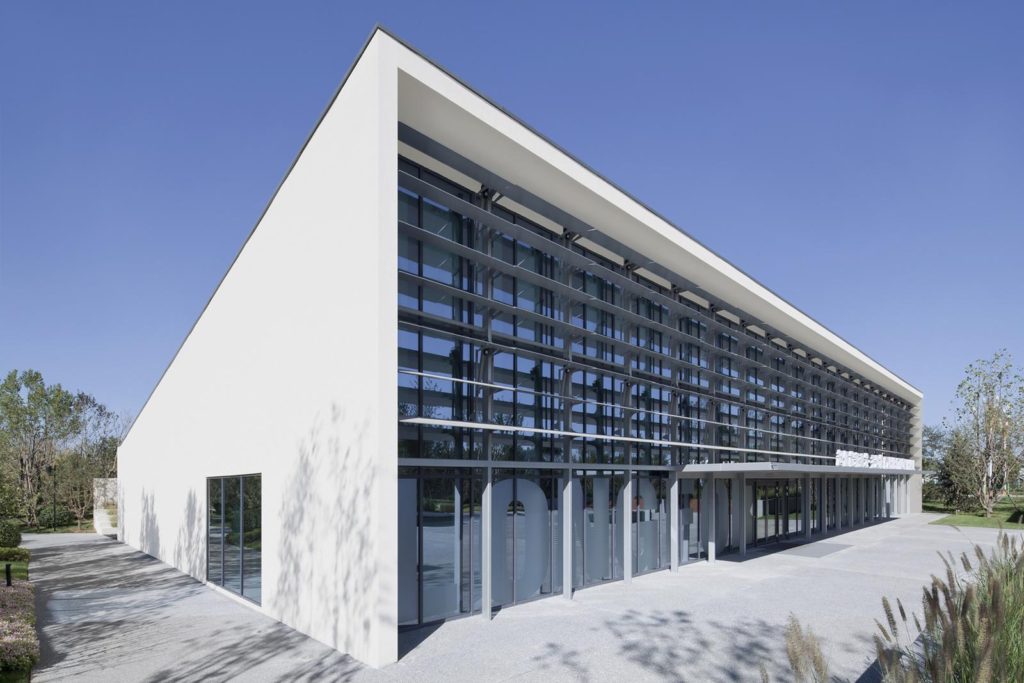

Passive design strategies are gaining popularity in the world of architecture due to their energy-efficient nature. One such strategy is the use of thermal mass, a concept that involves the ability of a material to absorb and store heat energy. This article will delve into the role of thermal mass in passive design, explaining its principles, benefits, and practical applications.
Before we delve deeper into the topic, it would be beneficial to understand some of the principles of passive design. For a comprehensive overview, you can refer to this descriptive guide on passive house design principles.
Understanding Thermal Mass
The principle of thermal mass is rooted in the physical properties of materials. Some materials have a high capacity to absorb, store, and release heat over time. This property is known as thermal mass. In the context of passive design, thermal mass can be utilized to maintain a comfortable indoor temperature, reducing the need for artificial heating or cooling.
Role of Thermal Mass in Passive Design
In passive design, thermal mass plays a crucial role in energy conservation. During the day, the thermal mass absorbs heat, preventing the indoor temperature from rising too high. At night, when the temperature drops, the stored heat is released, keeping the interior warm. Thus, the use of thermal mass can significantly reduce energy consumption for heating and cooling.
Practical Applications of Thermal Mass
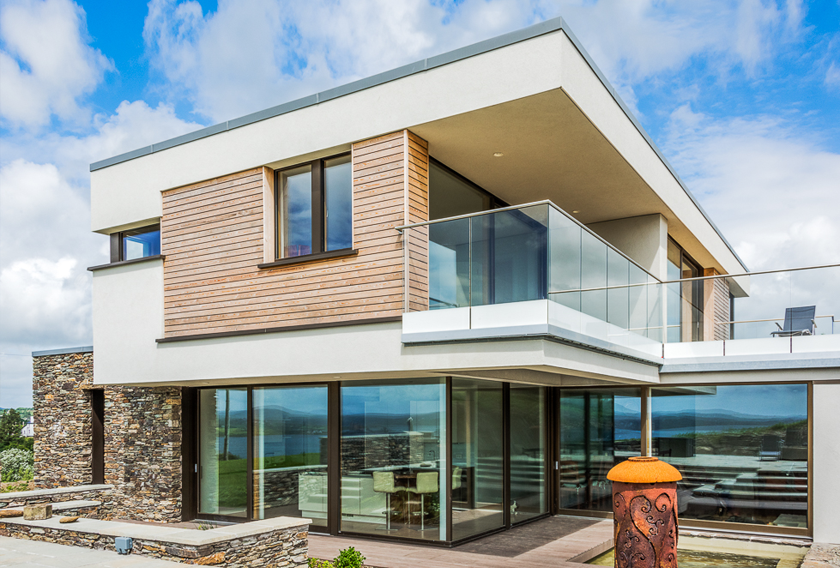
Thermal mass can be incorporated into a building’s design in various ways. For instance, walls, floors, and ceilings made of concrete or brick can serve as effective thermal mass. Moreover, the positioning of thermal mass is also crucial. It should be located where it can absorb sunlight during the day and release the stored heat at night.
For more insights on passive design, you can check out this article on passive building for cold climates.
Conclusion
Thermal mass is a vital element in passive design, offering a sustainable solution to maintain comfortable indoor temperatures while reducing energy consumption. By understanding and implementing this concept, architects can design buildings that are not only energy-efficient but also comfortable for the occupants.
If you’re interested in implementing passive design strategies, consider these resources to monitor thermal zones solarly and use stored thermal energy.

