
Creating a functional and beautiful kitchen starts with a well-thought-out layout. Whether you’re updating an outdated space or starting from scratch, understanding how to design a kitchen remodeling layout is essential for maximizing both style and efficiency. This article will guide you through the key considerations, layout options, and expert tips to help you achieve a kitchen that truly fits your needs.
From workflow and storage to lighting and aesthetics, every decision impacts the final result. Before you begin, it’s helpful to explore kitchen remodeling visual balance tips to ensure your space feels harmonious and inviting. Let’s break down the process so you can confidently plan your next kitchen transformation.
Assessing Your Kitchen Needs and Goals
Before diving into floor plans and finishes, take time to evaluate your household’s unique requirements. Consider how you use your kitchen daily, who cooks, how often you entertain, and what storage challenges you face. Write down your must-haves and wish-list items, such as:
- More countertop space for meal prep
- Improved lighting for cooking and ambiance
- Dedicated zones for baking, cleaning, or coffee
- Accessible storage for pots, pans, and pantry items
- Room for multiple cooks or guests
Understanding your priorities will help you make informed decisions as you move forward with your kitchen renovation plans.
Exploring Popular Kitchen Layout Types
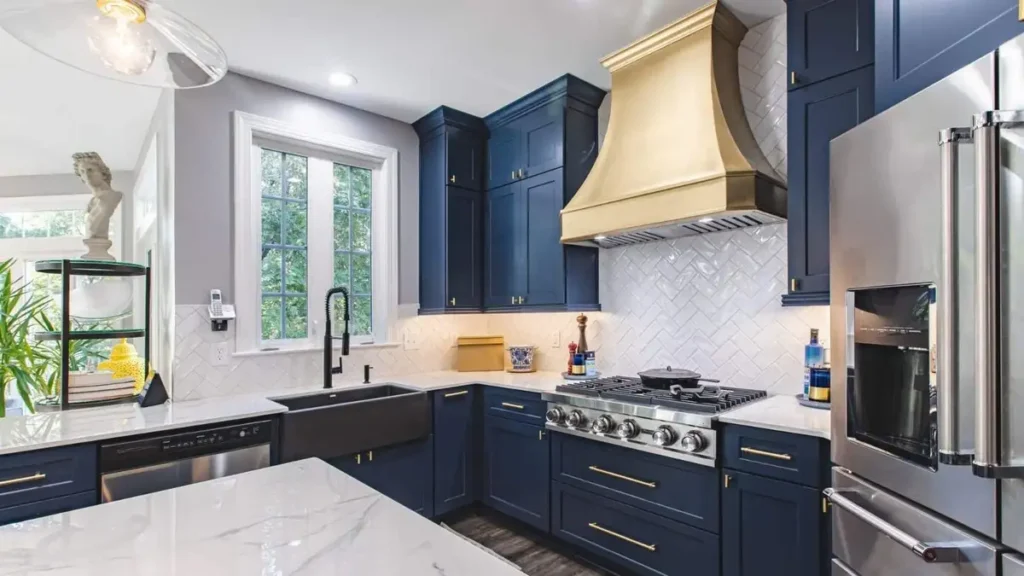
Choosing the right floor plan is a cornerstone of kitchen remodeling layout design. Each configuration offers distinct advantages depending on your space, lifestyle, and preferences. Here are the most common layouts:
- Galley Kitchen: Two parallel walls with a walkway in between. Efficient for small spaces and ideal for solo cooks.
- L-Shaped Kitchen: Cabinets and appliances arranged along two adjoining walls. Great for open-concept homes and allows for flexible dining or island placement.
- U-Shaped Kitchen: Cabinets and counters on three sides, maximizing storage and work surfaces. Works well for larger spaces and multiple users.
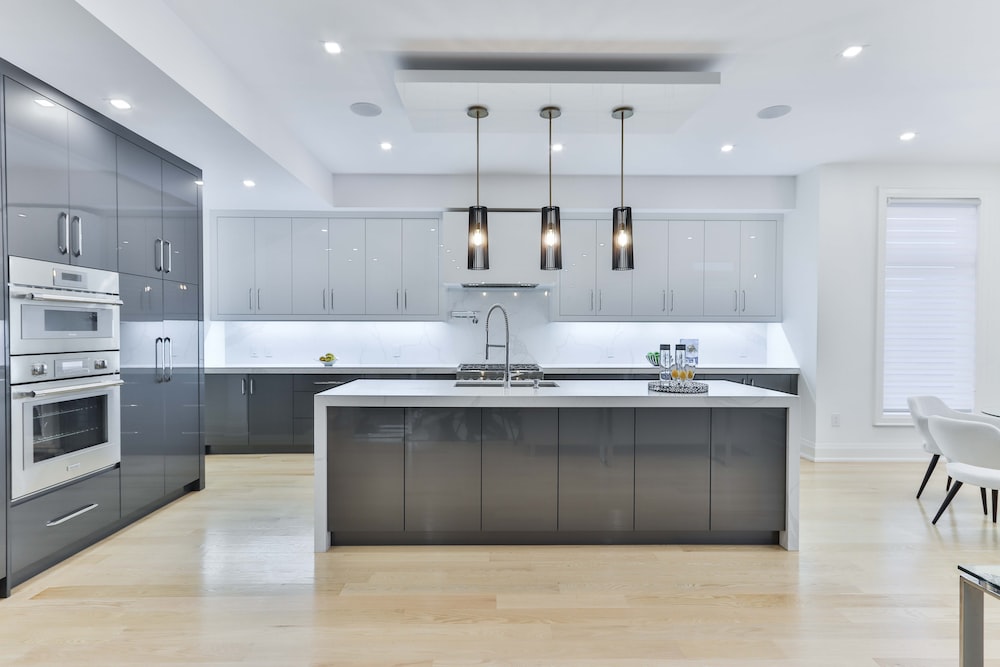
- Island Kitchen: Adds a central work surface for prep, dining, or entertaining. Islands can also house sinks, cooktops, or extra storage.
- Peninsula Kitchen: Similar to an island but attached to a wall or cabinetry, creating a defined boundary without requiring as much space.
Evaluate your available square footage and traffic flow to determine which arrangement will best support your cooking habits and social needs.
Applying the Kitchen Work Triangle Principle
One of the most enduring concepts in kitchen remodeling layout planning is the work triangle. This principle connects the three main work areas—sink, stove, and refrigerator—so that movement between them is efficient and unobstructed. For optimal flow:
- Each leg of the triangle should be between 4 and 9 feet.
- The total distance around the triangle should be 13 to 26 feet.
- Keep pathways clear of islands, cabinets, or trash bins.
While modern kitchens often include additional zones, such as baking stations or beverage centers, maintaining an efficient triangle remains a smart starting point for most layouts.
Maximizing Storage and Organization
Smart storage solutions are critical for a clutter-free and functional kitchen. Consider these strategies to make the most of your space:
- Install deep drawers for pots and pans near the stove.
- Use pull-out shelves or lazy Susans in corner cabinets.
- Dedicate a pantry zone for dry goods and small appliances.
- Include vertical storage for trays, cutting boards, and baking sheets.
- Opt for upper cabinets that reach the ceiling to maximize capacity.
For additional inspiration, check out kitchen remodeling hidden appliance ideas to keep your counters clear and your design streamlined.
Lighting and Electrical Considerations
Proper lighting is essential for both safety and ambiance. Layer your lighting with a mix of:
- Ambient lighting: General illumination from ceiling fixtures or recessed lights
- Task lighting: Focused light for prep areas, such as under-cabinet LEDs
- Accent lighting: Decorative pendants or in-cabinet lights to highlight features
Don’t forget to plan for sufficient outlets, especially near prep zones, islands, and coffee stations. Consult with a licensed electrician to ensure your kitchen meets local code and supports all your appliances.
Incorporating Style and Cohesion
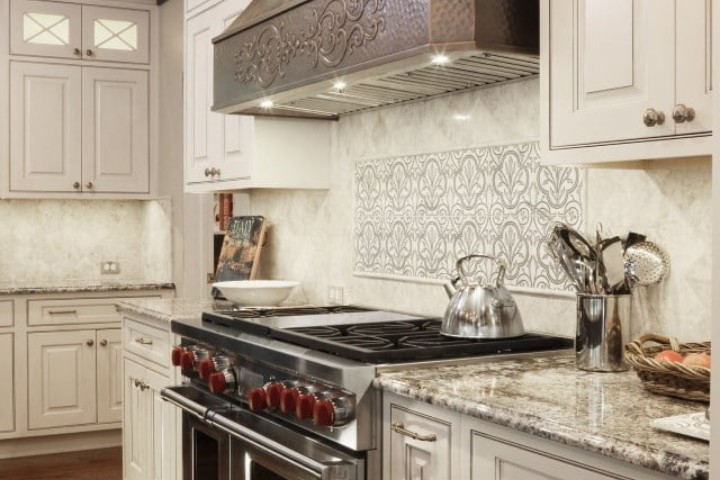
While function is paramount, aesthetics play a major role in kitchen satisfaction. Select a color palette and materials that reflect your personality and complement the rest of your home. For a cohesive look, review the kitchen remodeling style planning guide for tips on blending cabinetry, hardware, and finishes.
Don’t overlook details like hardware, backsplash, and flooring. These elements can tie the space together and add visual interest. If you’re aiming for a seamless, modern appearance, consider integrating appliances and using consistent materials throughout.
Expert Tips for a Successful Kitchen Renovation
- Plan for at least 36 inches of walkway space between counters and islands.
- Group similar functions together—keep dishwashers near sinks, and trash pull-outs close to prep areas.
- Include a mix of open and closed storage for both display and practicality.
- Test your layout with painter’s tape on the floor before committing to cabinetry placement.
- Consult with a professional designer or contractor for complex projects or structural changes.
For more creative ideas, browse this collection of kitchen remodeling ideas to spark your imagination and help you visualize the possibilities.
Frequently Asked Questions
What is the most efficient kitchen layout for small spaces?
Galley and L-shaped kitchens are often the best choices for compact areas. They maximize counter space and storage while maintaining efficient workflow. Incorporating vertical storage and multi-functional features can further enhance usability in smaller kitchens.
How do I choose the right lighting for my kitchen remodel?
Layer your lighting with a combination of ambient, task, and accent fixtures. Recessed lights provide overall illumination, while under-cabinet and pendant lights target specific work areas. Adjustable lighting allows you to set the mood for cooking, dining, or entertaining.
Should I include an island in my kitchen renovation?
If space allows, an island can add valuable prep area, storage, and seating. However, ensure there’s enough clearance around all sides (at least 36 inches) to maintain good traffic flow. In smaller kitchens, a peninsula or movable cart may be a better fit.
How can I make my kitchen more organized?
Focus on customized storage solutions such as pull-out shelves, drawer organizers, and dedicated pantry zones. Keep frequently used items within easy reach and use vertical space for less-used cookware or seasonal items.
Conclusion
Designing a kitchen that’s both practical and stylish requires careful planning and attention to detail. By assessing your needs, choosing the right layout, optimizing storage, and layering lighting, you’ll create a space that enhances daily life and adds value to your home. For more practical advice, explore kitchen remodeling cleaning zone layout ideas to further refine your plan. With thoughtful preparation and the right resources, your kitchen remodel can be a rewarding investment for years to come.