
Proper ventilation is crucial for maintaining a healthy and comfortable living environment. When airflow is obstructed, it can lead to a variety of issues that affect both your home and health. Recognizing the signs of blocked ventilation early can help you address problems before they escalate. This guide will explore common indicators of restricted airflow and offer solutions to restore proper ventilation.
Before diving into the specifics, it’s important to understand how your home’s ventilation system works. For a comprehensive overview, you can refer to this detailed explanation of home ventilation systems.
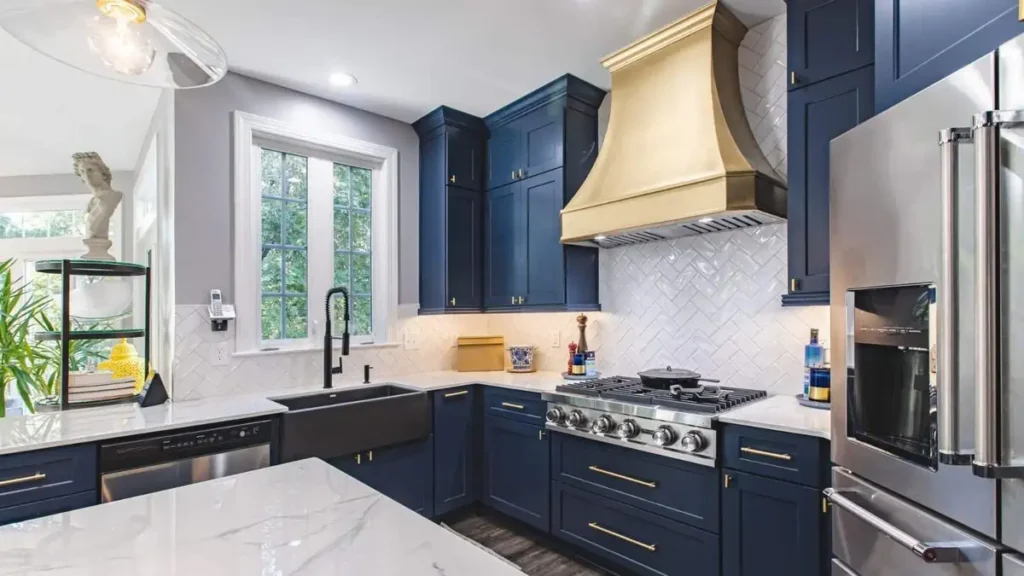
For those interested in improving their home’s design, consider exploring kitchen remodeling visual balance tips to create a harmonious space.
Common Indicators of Poor Airflow
Identifying the symptoms of inadequate ventilation is the first step in resolving the issue. Here are some common signs that your ventilation may be compromised:
Increased Humidity Levels
One of the most noticeable signs of blocked ventilation is a rise in indoor humidity. When air cannot circulate properly, moisture accumulates, leading to dampness and potential mold growth. This is particularly evident in areas like bathrooms and kitchens where moisture levels are naturally higher.
Unpleasant Odors
Stale or musty odors are often a result of poor ventilation. Without adequate airflow, smells from cooking, smoking, or other activities linger longer than they should. If you notice persistent odors, it may be time to inspect your vents and ducts for blockages.
Dust Accumulation
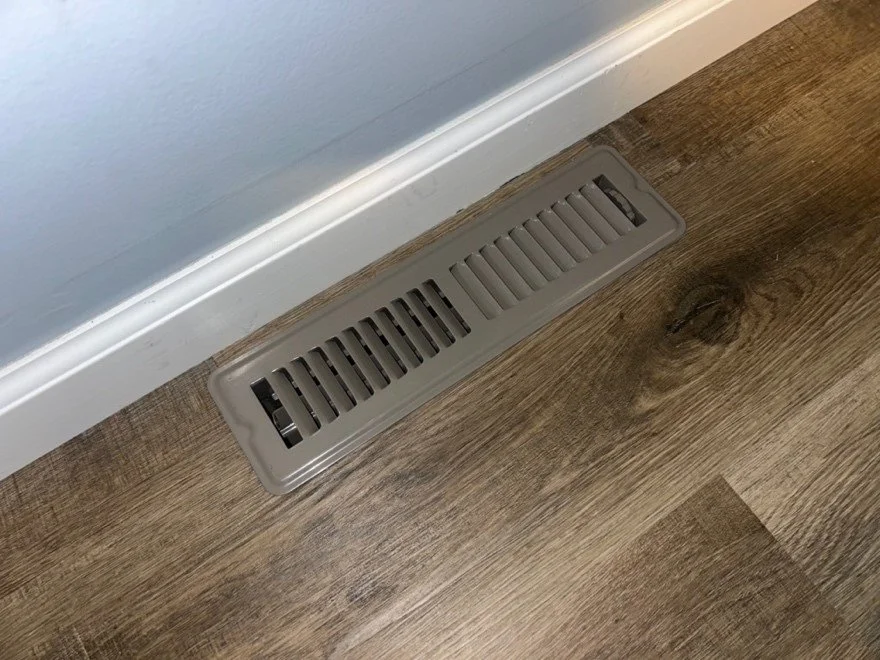
Excessive dust buildup around vents and on surfaces can indicate that air is not moving efficiently through your home. This can also exacerbate allergies and respiratory issues, making it essential to address any blockages promptly.
Steps to Improve Airflow
Once you’ve identified the symptoms of blocked ventilation, it’s important to take action. Here are some steps you can take to enhance airflow in your home:
Inspect and Clean Vents
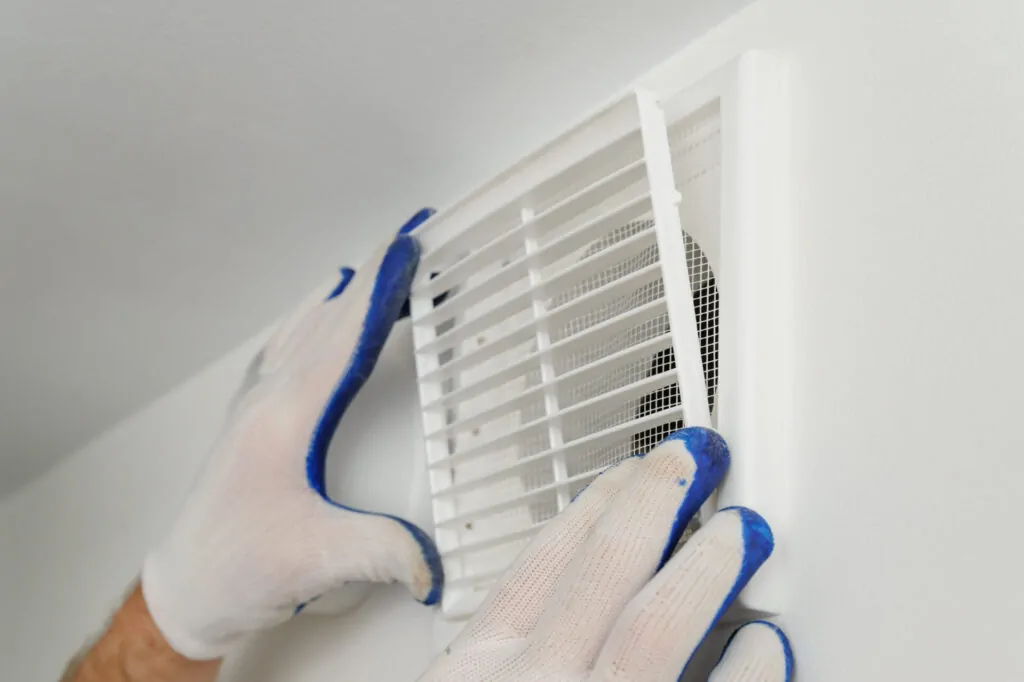
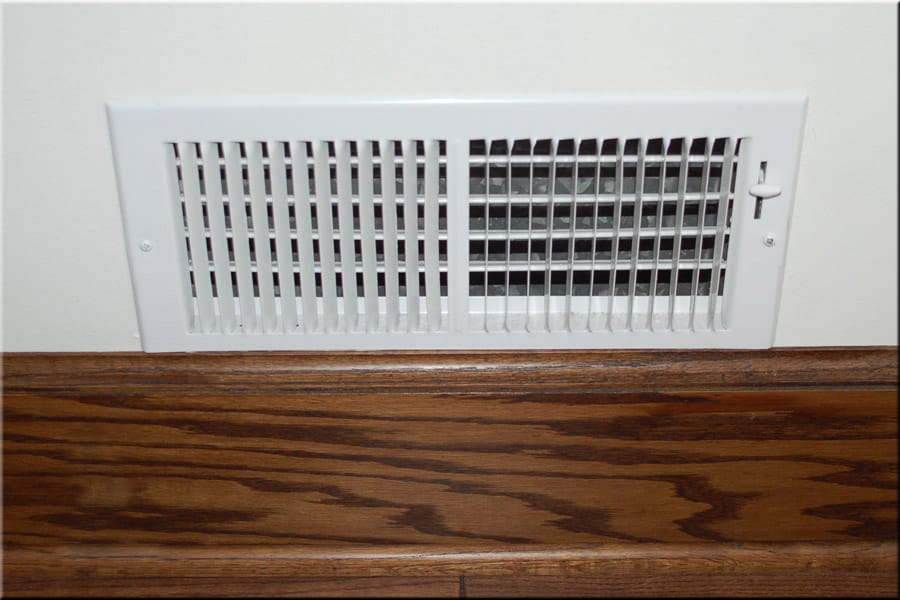
Regularly check your vents for any obstructions such as dust, debris, or furniture blocking the airflow. Cleaning vents and ducts can significantly improve air circulation and reduce humidity levels.
Utilize Exhaust Fans
Installing or upgrading exhaust fans in key areas like bathrooms and kitchens can help remove excess moisture and odors, improving overall air quality. Consider investing in energy-efficient models for better performance.
Consider Professional Inspection
If you continue to experience issues despite your efforts, it may be worthwhile to hire a professional to inspect your HVAC system. They can identify more complex problems and provide solutions tailored to your home’s specific needs.
Frequently Asked Questions
How Can I Tell If My Ventilation Is Blocked?
Look for signs such as increased humidity, persistent odors, and dust accumulation. These indicators suggest that air is not circulating properly in your home.
What Are the Health Risks of Poor Ventilation?
Poor ventilation can lead to respiratory issues, allergies, and mold growth. It is essential to maintain proper airflow to ensure a healthy living environment.
How Often Should I Clean My Vents?
It’s recommended to clean your vents at least once a year. However, if you notice signs of blockages, more frequent cleaning may be necessary.