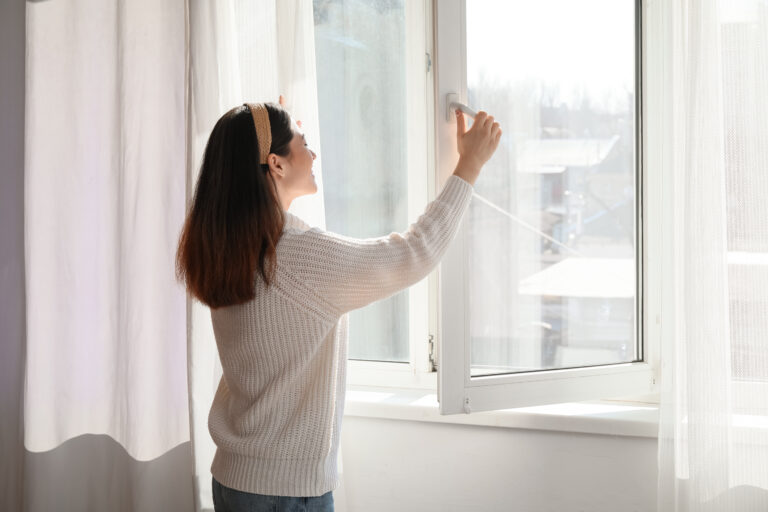
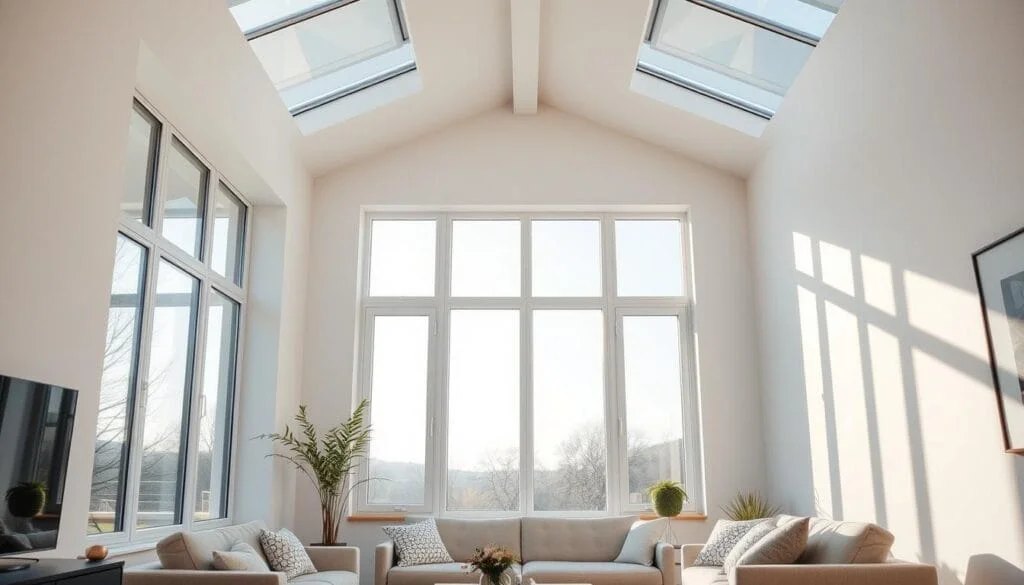
Indoor air quality is a growing concern for homeowners, renters, and anyone spending significant time inside. While many people associate pollution with outdoor environments, the reality is that contaminants can build up inside our homes and workplaces just as easily—sometimes even more so. Understanding how pollutants accumulate indoors is essential for maintaining a healthy living space and preventing long-term health issues.
Everyday activities, building materials, and even the way we ventilate our spaces all play a role in the concentration of airborne contaminants. This article explores the main sources, mechanisms, and solutions for managing indoor air quality. For those interested in optimizing other areas of home design, you might also find value in our guide on kitchen remodeling visual balance tips.

Common Sources of Indoor Contaminants
The first step in managing air quality is identifying where pollutants come from. Indoor environments can harbor a surprising variety of contaminants, including:
- Volatile Organic Compounds (VOCs): Emitted from paints, cleaning products, furniture, and building materials.
- Particulate Matter: Dust, pollen, pet dander, and smoke particles that become airborne through daily activities.
- Biological Pollutants: Mold spores, bacteria, and dust mites thrive in damp or poorly ventilated spaces.
- Combustion Byproducts: Carbon monoxide, nitrogen dioxide, and other gases from stoves, fireplaces, and heaters.
- Outdoor Pollutants: Pollen, vehicle exhaust, and industrial emissions can enter through open windows and doors.
Each of these sources can contribute to a gradual buildup of contaminants, especially in spaces with inadequate ventilation or high humidity.
Mechanisms Behind Indoor Pollution Build-Up
The process by which contaminants increase inside is influenced by several key factors. Understanding these mechanisms is crucial for effective air quality management.
Insufficient Ventilation and Air Exchange
One of the primary reasons for the accumulation of indoor pollutants is poor air circulation. Modern buildings are often designed to be energy-efficient, which means they are tightly sealed to prevent heat loss. While this helps reduce energy bills, it also limits the natural exchange of indoor and outdoor air.
Without adequate ventilation, contaminants released from indoor sources have nowhere to go and begin to concentrate. Over time, this can lead to levels that are much higher than those found outdoors.
Off-Gassing from Materials and Furnishings
Many modern products release VOCs and other chemicals into the air—a process known as off-gassing. This can occur over weeks, months, or even years. Carpets, pressed-wood furniture, and certain paints are common culprits. In spaces with limited airflow, these emissions can accumulate to unhealthy levels.
Humidity and Temperature Effects
High humidity encourages the growth of mold and dust mites, both of which can worsen respiratory symptoms. Warm temperatures can also increase the rate at which VOCs are released from materials. Managing moisture and temperature is therefore a key part of controlling indoor air quality.
How Airflow and Ventilation Impact Indoor Contaminant Levels
The way air moves through a building has a direct impact on how pollutants build up. There are several types of ventilation systems, each with its own strengths and weaknesses:
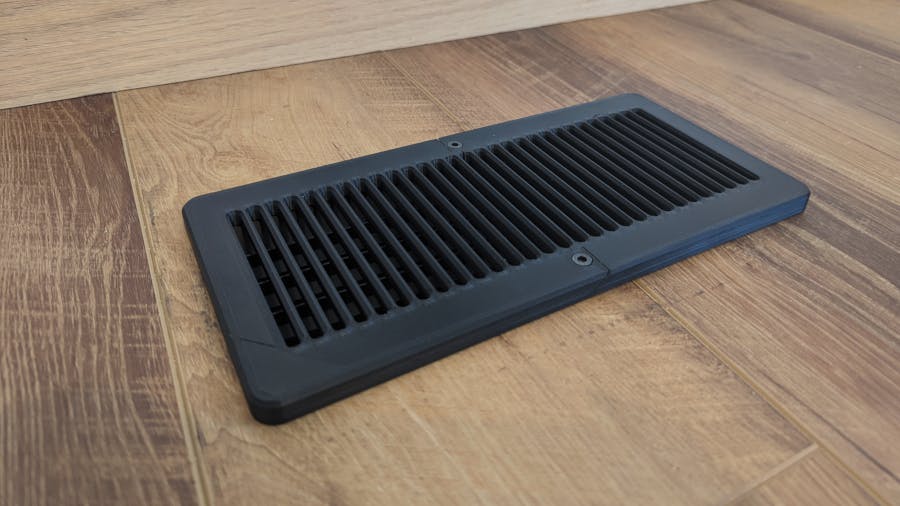
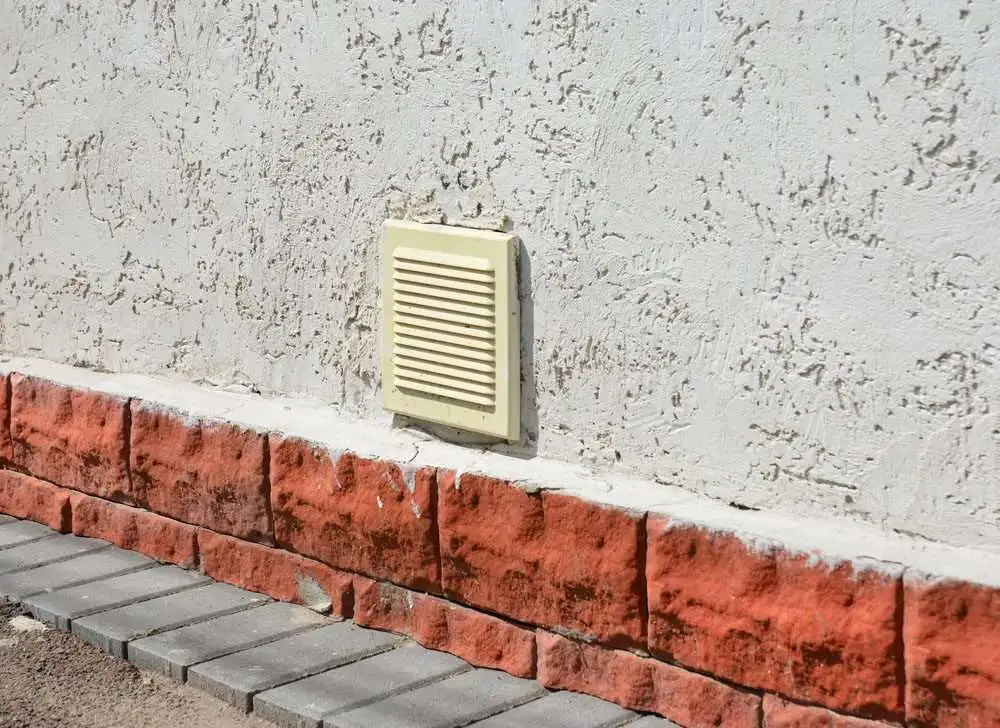
- Natural Ventilation: Relies on windows, doors, and vents to allow fresh air in and stale air out. This method is simple but can be inconsistent, especially in extreme weather.
- Mechanical Ventilation: Uses fans, ducts, and exhaust systems to control airflow. These systems can be tailored to the needs of the building and are more reliable for maintaining good air quality.
- Hybrid Systems: Combine natural and mechanical methods for optimal results.
For a deeper look at which ventilation systems might suit your property, see this comprehensive guide to ventilation system types.
Strategies for Reducing Indoor Air Contaminant Build-Up
There are several practical steps you can take to minimize the concentration of pollutants inside your home or workplace:
- Increase Ventilation: Open windows when weather permits, use exhaust fans in kitchens and bathrooms, and consider installing a whole-house ventilation system.
- Control Sources: Choose low-VOC paints and furnishings, store chemicals securely, and avoid smoking indoors.
- Maintain Cleanliness: Regularly dust and vacuum with a HEPA filter to remove particulates and allergens.
- Manage Humidity: Use dehumidifiers in damp areas and repair leaks promptly to prevent mold growth.
- Use Air Purifiers: High-quality filtration systems can capture fine particles and some gases, further improving air quality.
By combining these approaches, you can significantly reduce the risk of indoor air pollution and create a healthier environment for everyone in your space.
Recognizing the Signs of Indoor Air Quality Problems
It’s not always obvious when air quality is poor. Some common indicators include:
- Persistent odors or musty smells
- Frequent headaches or fatigue
- Allergy or asthma symptoms that worsen indoors
- Visible mold or mildew
- Condensation on windows or walls
If you notice these signs, it’s important to investigate further and take corrective action. Improving airflow, cleaning regularly, and using air filtration can all help address these issues.
FAQ: Indoor Air Pollution and Prevention
What are the most common indoor air pollutants?
The most frequent contaminants found inside include volatile organic compounds (VOCs), particulate matter like dust and pollen, biological agents such as mold and bacteria, and combustion byproducts from heating or cooking appliances.
How can I tell if my home has poor air quality?
Symptoms like increased allergy attacks, persistent odors, visible mold, or condensation on surfaces can indicate a problem. Investing in an indoor air quality monitor can also provide objective measurements.
What is the best way to reduce indoor pollutant levels?
The most effective strategy is a combination of source control, increased ventilation, and regular cleaning. Using air purifiers and maintaining proper humidity levels can further improve the situation.
How does ventilation help with indoor air quality?
Proper airflow helps remove stale air and brings in fresh air, diluting and carrying away contaminants. Mechanical systems, such as exhaust fans and whole-house ventilation, are especially effective in tightly sealed buildings.
Conclusion
Understanding the factors that contribute to the buildup of contaminants inside is the first step toward healthier living. By identifying sources, improving ventilation, and maintaining a clean environment, you can greatly reduce the risks associated with indoor air pollution. For those planning home improvements, consider how your choices in materials and layout can impact air quality. If you’re interested in more home design strategies, our article on kitchen remodeling visual balance tips offers additional insights for creating a balanced and healthy space.