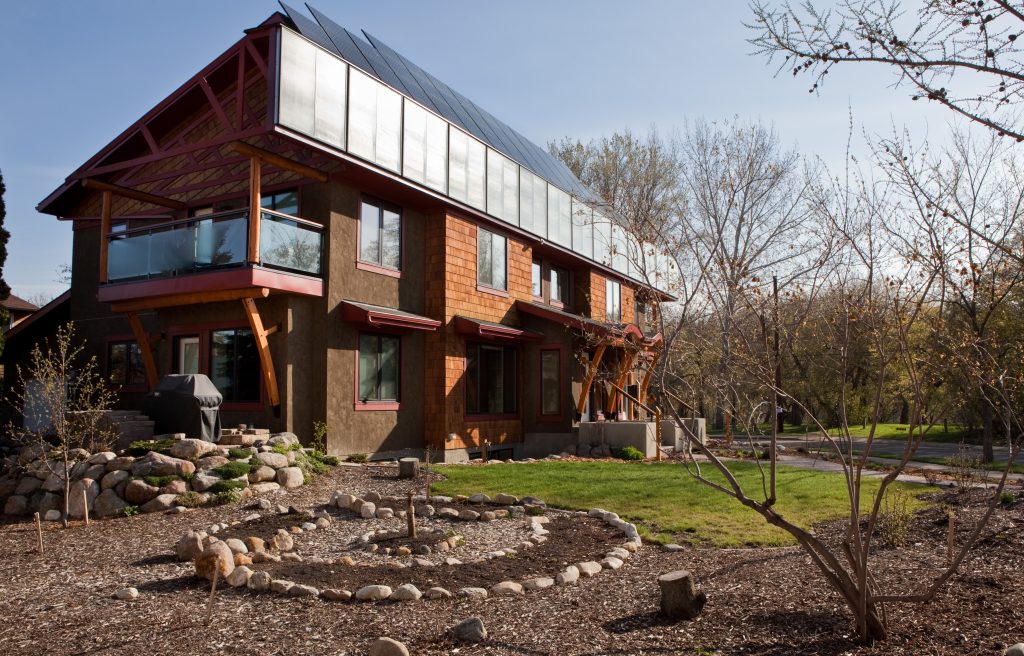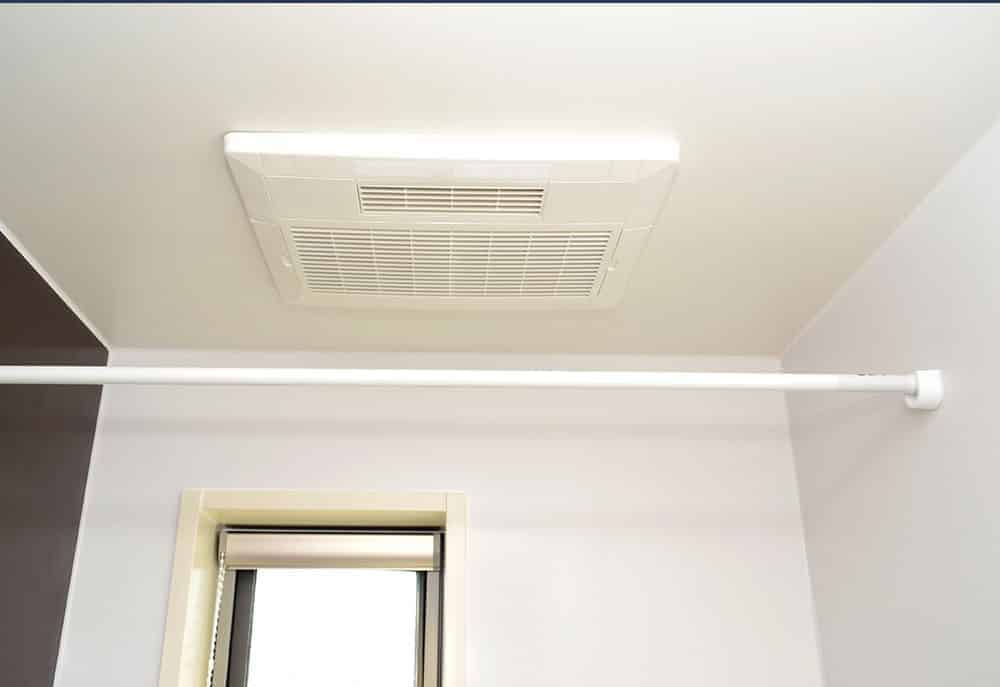

The way a roof is designed plays a crucial role in determining how air moves through a building. Proper airflow is essential for maintaining comfortable indoor temperatures, reducing moisture buildup, and improving overall air quality. Whether you’re planning a new build or considering upgrades to an existing property, understanding the relationship between roof structure and ventilation can help you make informed decisions that benefit your home’s comfort and longevity.
In this article, we’ll explore the key principles behind roof shapes, ventilation strategies, and how different architectural choices impact airflow. You’ll also find practical tips, product recommendations, and links to further resources for optimizing your home’s environment. If you’re interested in other aspects of home design, you might also enjoy our guide on kitchen remodeling visual balance tips.
Understanding Roof Shapes and Airflow
The shape and pitch of a roof directly influence how air circulates within an attic or living space. Steeply pitched roofs, for example, tend to create more space for hot air to rise and escape, while low-slope or flat roofs may trap heat and moisture if not properly ventilated. Gable, hip, and shed roofs each present unique challenges and opportunities for airflow management.
- Gable roofs have two sloping sides and allow for straightforward installation of ridge and soffit vents, promoting effective cross-ventilation.
- Hip roofs feature slopes on all sides, which can make vent placement more complex but still support good airflow with the right venting strategy.
- Flat roofs require specialized vents, such as low-profile or mechanical options, to ensure adequate air exchange.
The roof’s geometry not only affects how easily air can move but also determines where vents can be installed for maximum efficiency.
Types of Roof Ventilation Systems
There are several methods for ventilating a roof, each suited to different architectural styles and climates. Choosing the right system is essential for preventing issues like condensation, mold, and excessive heat buildup.
Passive Ventilation
Passive systems rely on natural forces—such as wind and the stack effect—to drive airflow. Common examples include:
- Ridge vents installed along the peak of the roof, allowing hot air to escape naturally.
- Soffit vents located under the eaves, drawing in cooler outside air as warm air exits through the ridge.
- Gable vents placed on the end walls of attics, supporting cross-ventilation in gable-style roofs.
Passive ventilation is energy-efficient and low-maintenance, but its effectiveness depends on the roof’s design and local climate conditions.
Active Ventilation
Active systems use fans or turbines to boost airflow, making them ideal for complex or low-slope roofs where natural movement is limited. These include:
- Power attic ventilators (electric or solar-powered fans) that actively pull hot air out of the attic space.
- Roof turbines (whirlybirds) that spin with the wind to draw air upward and out.
Active ventilation can be especially beneficial in hot or humid climates, or in homes with intricate rooflines that hinder passive airflow.

Key Factors in Roof Design That Influence Ventilation
Several architectural and construction details determine how effectively a roof supports air movement:
- Pitch and Height: Steeper roofs provide more vertical space for air to rise and escape, while low-pitch roofs may need additional venting solutions.
- Vent Placement: Properly positioned intake and exhaust vents ensure balanced airflow. Intake vents (such as soffit vents) should be paired with exhaust vents (like ridge or roof vents) for optimal results.
- Insulation: Adequate insulation prevents heat transfer between the attic and living spaces, but it must be installed without blocking airflow at the eaves or ridge.
- Obstructions: Chimneys, skylights, and dormers can disrupt airflow patterns and may require custom venting strategies.
When designing or renovating a roof, it’s important to consider these factors early in the planning process to avoid costly retrofits or performance issues down the line.
Benefits of Optimized Roof Ventilation
A well-ventilated roof offers a range of advantages for homeowners and building occupants:
- Temperature Regulation: Effective airflow helps keep attics and living spaces cooler in summer and reduces the risk of ice dam formation in winter.
- Moisture Control: Proper ventilation prevents condensation, which can lead to mold, mildew, and structural damage.
- Energy Efficiency: By reducing the load on heating and cooling systems, a well-designed roof can lower utility bills and extend the lifespan of HVAC equipment.
- Improved Air Quality: Removing stale air and pollutants from the attic contributes to a healthier indoor environment.
For more information on the importance of airflow in residential settings, you can refer to this comprehensive guide to home ventilation.
Common Mistakes and How to Avoid Them
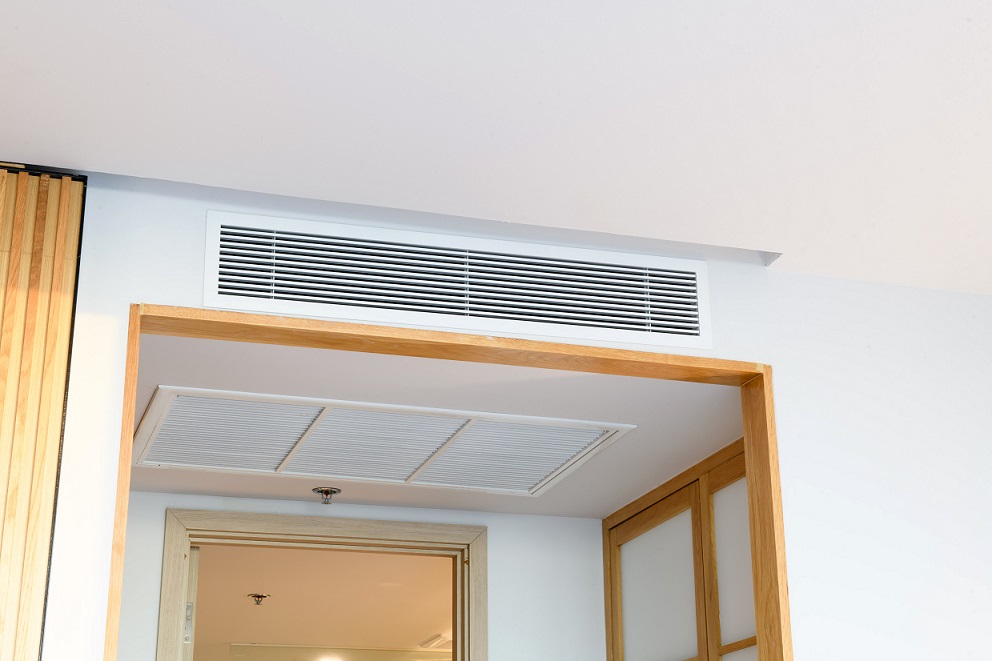
Even with the best intentions, it’s easy to overlook key elements when planning for roof ventilation. Here are some frequent pitfalls and tips to prevent them:
- Insufficient Intake or Exhaust: For ventilation to work, intake and exhaust areas must be balanced. Too few vents or improper placement can lead to stagnant air.
- Blocked Vents: Insulation or debris can obstruct vents, reducing their effectiveness. Regular inspection and maintenance are essential.
- Mixing Vent Types: Combining different exhaust systems (like ridge vents and box vents) can disrupt airflow and reduce performance. Stick to a coordinated approach.
- Ignoring Local Climate: Ventilation needs vary by region. Hot, humid, or cold climates each require tailored solutions for best results.
Consulting with a roofing professional or HVAC specialist can help you design a system that fits your home’s unique requirements.
FAQ
What is the ideal roof pitch for effective ventilation?
Steeper roof pitches, typically between 4:12 and 8:12, allow for better airflow by providing more vertical space for hot air to rise and escape. However, even low-slope roofs can be ventilated effectively with the right combination of intake and exhaust vents.
Can I add more vents to improve airflow?
Adding vents can help, but balance is key. Both intake (soffit) and exhaust (ridge or roof) vents should be proportionate to avoid creating negative pressure or allowing moisture to accumulate. Always follow manufacturer guidelines and local building codes.
How does insulation affect roof ventilation?
Insulation helps regulate temperature but must be installed without blocking airflow at the eaves or ridge. Using baffles or vent chutes can maintain a clear path for air while still providing thermal protection.
Conclusion
The configuration of your roof has a significant impact on how efficiently air moves through your home. By considering factors like roof shape, vent placement, and insulation, you can create a healthier, more comfortable living environment and protect your investment for years to come. For further insights on home design and remodeling, explore our resources on kitchen remodeling visual balance tips and related topics.