
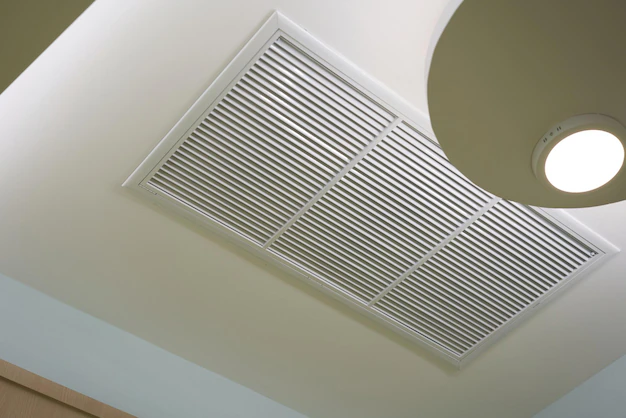

Proper placing vents during construction is a fundamental step in building a comfortable, energy-efficient, and healthy home. Ventilation systems do much more than simply move air—they regulate temperature, control humidity, and help remove indoor pollutants. Mistakes made at this stage can lead to uneven heating or cooling, persistent moisture problems, and costly retrofits down the line.
This guide explains how to approach vent layout and installation for new builds, what factors to consider, and why strategic vent positioning is essential for both comfort and building longevity. Whether you’re a homeowner working with a contractor or a builder seeking best practices, understanding the basics of air distribution will help you make informed decisions.
For those interested in optimizing other areas of their home, such as kitchen design, you may also find value in our kitchen remodeling visual balance tips for harmonious interiors.
Why Vent Placement Matters in New Construction
The location and type of vents chosen during the building phase directly impact indoor air quality, energy efficiency, and comfort. When placing vents during construction, the goal is to ensure even air distribution throughout the house. Poorly positioned vents can create hot or cold spots, increase utility bills, and contribute to moisture buildup, which may lead to mold or structural damage.
According to this overview of home ventilation systems, a well-designed system balances intake and exhaust, ensuring that fresh air enters while stale air is removed efficiently.
Key Considerations for Vent Layout
Every home is unique, but several core principles apply when determining where to install vents:
- Room Function: Kitchens, bathrooms, and laundry rooms require more robust ventilation due to moisture and odors.
- Airflow Patterns: Supply vents should be placed to promote circulation, while return vents should be positioned to draw air from occupied spaces.
- Obstructions: Avoid placing vents near large furniture or behind doors, as this can restrict airflow.
- Energy Efficiency: Proper vent placement reduces the load on HVAC systems, lowering energy consumption and costs.
- Building Codes: Always adhere to local regulations regarding minimum ventilation requirements and vent types.
Types of Vents Used in Residential Construction
Understanding the different types of vents helps in making informed choices during the planning phase:
- Supply Vents: Deliver conditioned air from the HVAC system into rooms.
- Return Vents: Pull air back to the HVAC unit for reconditioning.
- Exhaust Vents: Remove stale air, moisture, and pollutants, especially from bathrooms and kitchens.
- Intake Vents: Allow fresh air from outside to enter the system.
- Passive Vents: Rely on natural air movement, often used in attics or crawl spaces.

Best Practices for Placing Vents in Different Rooms
Each area of the home has unique ventilation needs. Here are some guidelines for optimal vent arrangement:
Living Areas and Bedrooms
- Install supply vents near windows or exterior walls to counteract drafts and heat loss.
- Return vents should be located on interior walls, away from supply vents, to encourage full-room air circulation.
- Ensure vents are not blocked by furniture or curtains.
Kitchens
- Use dedicated exhaust vents above stoves to remove cooking fumes and moisture.
- Consider additional supply vents if the kitchen is large or open-plan.
- Coordinate vent placement with cabinetry and appliances for seamless integration.
Bathrooms and Laundry Rooms
- Install ceiling-mounted exhaust fans directly above showers or laundry appliances.
- Ensure exhaust vents lead directly outside to prevent moisture buildup in attics or walls.
- Supplement with passive vents if needed for continuous airflow.
Common Mistakes to Avoid When Planning Vent Locations
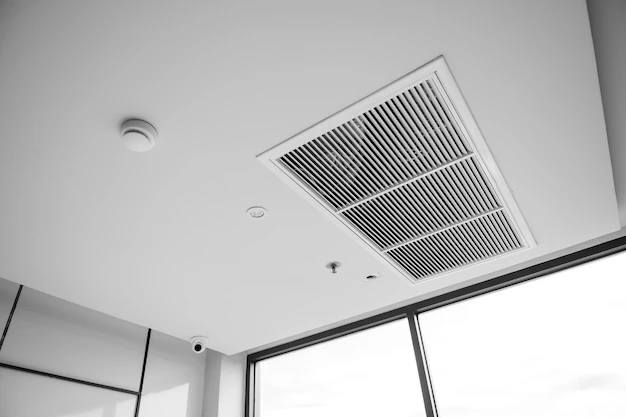
Even with the best intentions, errors in vent placement can undermine your home’s comfort and efficiency. Here are some pitfalls to watch for:
- Grouping Vents Too Closely: This can cause short-circuiting of airflow, where supply air is immediately drawn into the return vent without circulating through the room.
- Ignoring Room Size: Large rooms may require multiple supply and return vents for even distribution.
- Overlooking Exhaust Needs: Failing to vent bathrooms or kitchens properly can result in persistent odors and moisture damage.
- Blocking Vents: Placing furniture or appliances in front of vents reduces their effectiveness.
- Neglecting Future Changes: Consider how future renovations or furniture changes might impact airflow.
Integrating Ventilation With Other Home Systems
Modern homes often combine ventilation with heating, cooling, and air purification systems. Coordinating these systems during construction ensures optimal performance. For example, integrating air filtration units with your ductwork can improve indoor air quality, while whole-house fans can provide natural cooling and fresh air exchange.
If you’re planning a kitchen remodel, consider how vent placement will interact with new cabinetry or appliances. Our kitchen remodeling hardware style guide offers insights into blending function and style.
Maintenance and Accessibility Considerations
Planning for easy access to vents and ductwork is just as important as their initial placement. Ensure that all vents can be reached for cleaning or filter changes. Removable covers and accessible duct runs will make ongoing maintenance much simpler, preserving system efficiency and air quality for years to come.
FAQ: Vent Placement in New Homes
How many supply and return vents should each room have?
The number depends on room size, layout, and HVAC system capacity. Generally, each major room should have at least one supply and one return vent, but larger or irregularly shaped spaces may need more for balanced airflow.
Should vents be placed on the floor, wall, or ceiling?
The best location depends on your climate and HVAC system. In colder climates, floor vents help warm air rise, while ceiling vents are common in warmer regions for cooling. Wall vents are versatile and often used when floor or ceiling placement isn’t practical.
Can vent placement affect energy efficiency?
Yes, strategic vent positioning can reduce the workload on your HVAC system, leading to lower energy bills and more consistent temperatures throughout the home.
What’s the difference between passive and mechanical ventilation?
Passive systems rely on natural air movement, while mechanical systems use fans or blowers to move air. Most modern homes use a combination of both for optimal results.
Conclusion
Thoughtful placing vents during construction is a key part of building a comfortable, efficient, and healthy home. By considering room function, airflow patterns, and future maintenance, you can avoid common pitfalls and ensure your ventilation system serves you well for years to come. For more on home improvement and interior design, explore our other resources or consult with a qualified contractor for tailored advice.

