Effective ductwork design is essential for maintaining comfortable indoor air quality, reducing energy costs, and ensuring the longevity of HVAC systems. Whether you are planning a new installation or upgrading an existing system, understanding duct routing best practices can make a significant difference in performance and efficiency. This guide explores proven strategies for laying out ductwork, minimizing air resistance, and avoiding common pitfalls.
Properly routed ducts not only enhance airflow but also help prevent issues like condensation, noise, and uneven temperature distribution. By following industry-recommended methods, homeowners and professionals can achieve reliable, cost-effective ventilation solutions. For those interested in broader home improvement topics, see our resource on kitchen remodeling visual balance tips for harmonious design ideas.

Key Principles for Efficient Duct Layout
When planning a ductwork system, the layout should prioritize direct routes and minimal obstructions. The following principles form the foundation of duct routing best practices:
- Keep Runs as Short as Possible: Shorter ducts reduce friction and pressure loss, resulting in better airflow and lower energy consumption.
- Minimize Bends and Turns: Each elbow or sharp turn increases resistance. Use gentle curves and limit the number of bends to maintain system efficiency.
- Maintain Consistent Sizing: Avoid abrupt changes in duct diameter. Gradual transitions help preserve airflow and prevent turbulence.
- Seal All Joints Properly: Use mastic or UL-listed foil tape to seal seams and connections, preventing air leaks and energy waste.
- Support Ducts Securely: Proper supports prevent sagging and maintain the intended shape, which is crucial for airflow and longevity.
Choosing the Right Duct Materials
The choice of material affects both performance and durability. Common options include:
- Sheet Metal: Durable and smooth, metal ducts are ideal for long-term installations and offer low resistance to airflow.
- Flexible Duct: Easier to install in tight spaces but more prone to kinks and compression, which can restrict airflow if not handled carefully.
- Fiberglass Duct Board: Provides built-in insulation and noise reduction but may require more maintenance to prevent mold growth.
Material selection should consider factors like space constraints, budget, and the specific requirements of the ventilation system. For more on selecting ventilation systems, see this guide to choosing the right ventilation system for your property.
Optimizing Airflow with Smart Routing
To maximize efficiency, ducts should be routed in a way that supports balanced airflow throughout the building. Here are several strategies:
- Centralize Main Trunks: Position main ducts centrally to reduce the length of branch runs and ensure even air distribution.
- Use Proper Sizing Calculations: Calculate duct sizes based on the required airflow (CFM) for each room, considering both supply and return paths.
- Isolate Noisy Components: Place fans and blowers away from quiet areas, and use sound-absorbing materials where necessary.
- Plan for Future Access: Leave space for maintenance and inspection, especially at critical junctions and dampers.
Insulation and Moisture Control in Ductwork
Insulating ducts is a critical aspect of maintaining energy efficiency and preventing condensation. Uninsulated or poorly insulated ducts can lead to energy loss, moisture buildup, and even mold growth. Here are some tips:
- Use Appropriate Insulation: Wrap ducts in unconditioned spaces (like attics or crawlspaces) with insulation rated for HVAC use.
- Seal Penetrations: Ensure all holes and gaps around ducts are sealed to block humid air from entering and condensing on cold surfaces.
- Check for Leaks Regularly: Inspect insulation and seals periodically, especially after renovations or repairs.
Vent Placement and Termination Guidelines
Where and how ducts terminate plays a major role in system effectiveness. Follow these recommendations for optimal results:
- Locate Supply Vents Strategically: Place vents near windows or exterior walls to counteract drafts and improve comfort.
- Ensure Return Vents Are Unobstructed: Keep return paths clear of furniture and drapes to maintain balanced airflow.
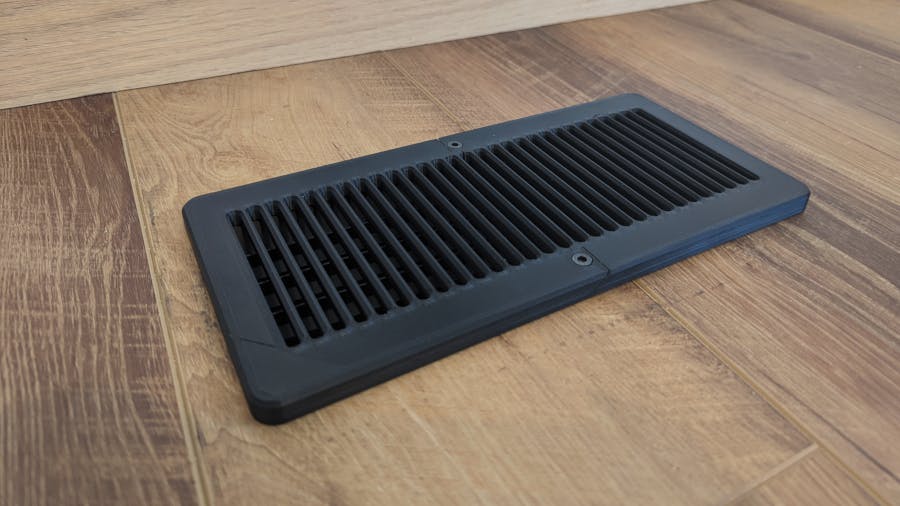
- Use Proper Grilles and Diffusers: Select grilles that match the airflow requirements and minimize noise.
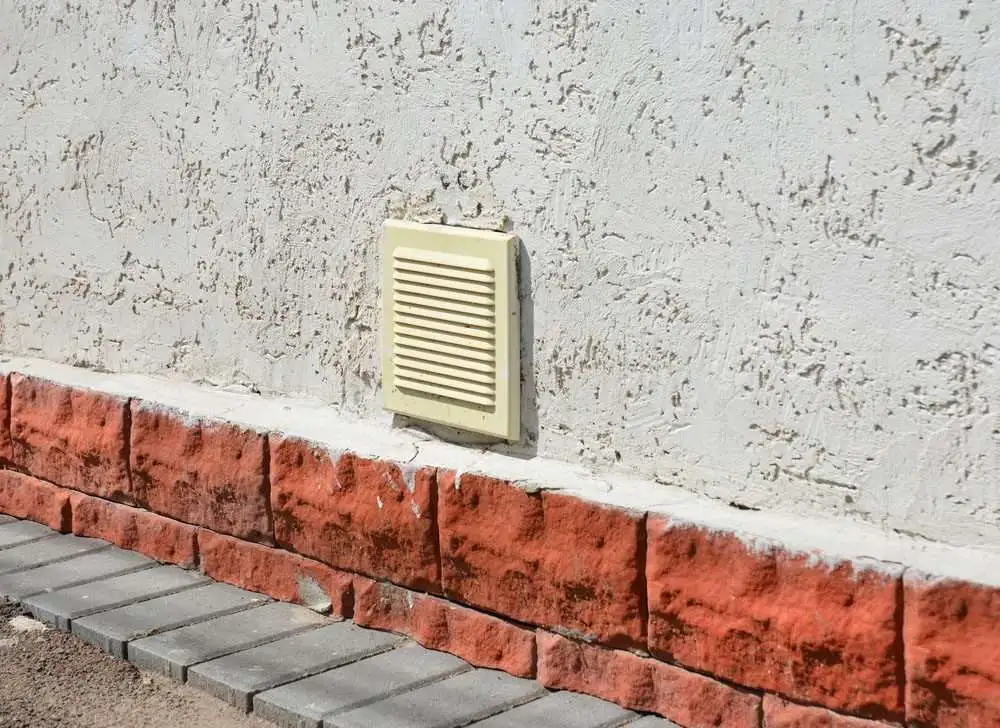
- Terminate Exhaust Ducts Outside: Always vent kitchen, bathroom, and dryer ducts directly outdoors to prevent moisture and contaminants from recirculating indoors.
Common Mistakes to Avoid in Duct Routing
Even with the best intentions, certain errors can undermine the effectiveness of a ventilation system. Be mindful to avoid:
- Overly Long or Twisted Runs: Excessively long ducts or unnecessary twists increase resistance and reduce efficiency.
- Ignoring Local Codes: Always check building codes and manufacturer guidelines before installation to ensure compliance and safety.
- Neglecting Regular Maintenance: Dust, debris, and leaks can accumulate over time. Schedule periodic inspections and cleaning.
- Improper Sizing: Undersized ducts can cause noise, while oversized ones may lead to poor air distribution and wasted energy.
Integrating Ductwork with Other Home Improvements
When planning renovations or upgrades, consider how ductwork interacts with other systems. For example, kitchen remodels often require adjustments to ventilation. For inspiration on integrating new appliances and maintaining a cohesive look, explore our article on kitchen remodeling hidden appliance ideas.
FAQ: Ductwork and Ventilation
What is the ideal duct size for residential HVAC systems?
The ideal duct size depends on the airflow requirements of each room and the total capacity of the HVAC unit. Proper sizing is determined by calculating the cubic feet per minute (CFM) needed and matching duct diameters accordingly. Consulting a professional or using a duct sizing calculator can help ensure optimal results.
How often should ductwork be inspected or cleaned?
It’s recommended to inspect ductwork every 2–3 years and clean as needed, especially if there are signs of dust buildup, mold, or reduced airflow. Regular maintenance helps maintain efficiency and indoor air quality.
Can I use flexible duct for long runs?
Flexible duct is best suited for short connections and tight spaces. For longer runs, rigid metal ductwork is preferred due to its durability and lower resistance. If flexible duct must be used, ensure it is fully extended and supported to prevent sagging and airflow restriction.
Conclusion
Following duct routing best practices is crucial for achieving efficient, reliable, and healthy indoor environments. By focusing on direct routes, proper sizing, secure sealing, and regular maintenance, both professionals and homeowners can ensure their ventilation systems operate at peak performance. For more tips on home improvement and design, browse our other resources or consult with a qualified HVAC specialist.