
When embarking on a home construction or renovation project, understanding local plumbing code requirements is crucial. These codes ensure that plumbing systems are safe, efficient, and environmentally friendly. For homeowners and real estate developers, adhering to these codes is not just a legal obligation but also a way to ensure the longevity and safety of a property. In this article, we’ll explore what these codes entail, why they matter, and how they can impact your home projects.
What Are Plumbing Codes?
Plumbing codes are sets of regulations that govern the installation and maintenance of plumbing systems. These codes are designed to protect public health and safety by ensuring that plumbing systems are installed correctly and function properly. They cover various aspects such as pipe sizing, materials, fixture installation, and venting requirements.
History of Plumbing Codes
Plumbing codes have evolved over the years to address emerging technologies and better understand public health needs. Initially, local governments created codes to prevent sanitation issues, but over time, they have expanded to include energy efficiency and environmental considerations.
Why Are Plumbing Codes Important?
Adhering to local plumbing code requirements is essential for several reasons. Firstly, it ensures that your home’s plumbing system is safe and efficient. Secondly, compliance can prevent costly repairs and potential legal issues. Lastly, codes are designed to protect the environment by promoting water conservation and reducing waste.
Key Components of Plumbing Codes
Pipe Sizing and Materials
The size and material of pipes used in a plumbing system are critical for ensuring adequate water flow and pressure. Codes specify the minimum pipe sizes and acceptable materials based on the intended use and local water conditions.
Fixture Installation
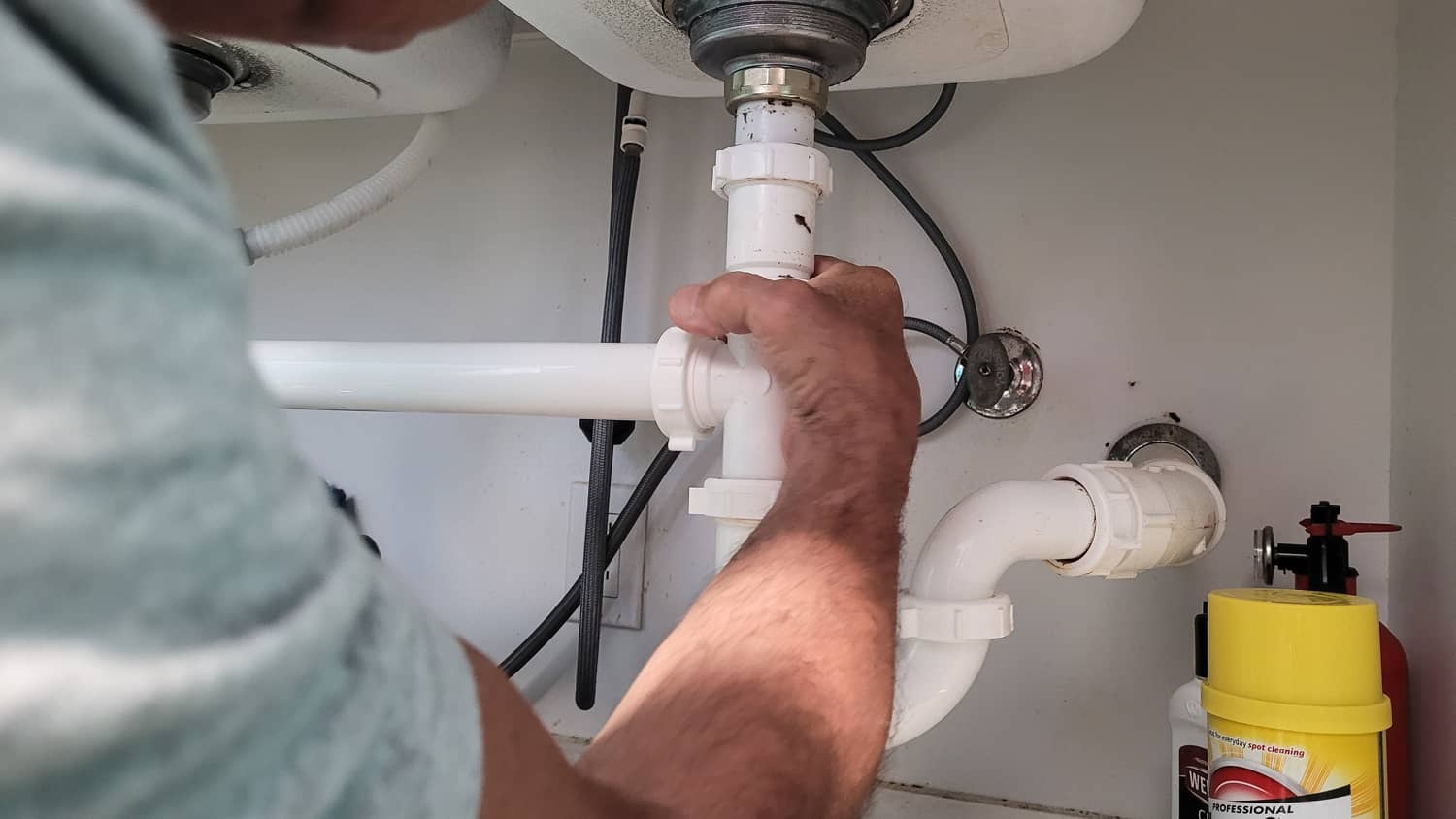
Proper installation of fixtures such as sinks, toilets, and showers is crucial for functionality and compliance. Codes dictate the minimum and maximum heights for fixture installation and the necessary clearances.
Venting Requirements
Venting is essential in a plumbing system to prevent sewer gases from entering the home. Local codes specify the types and sizes of vents required and their correct placement.
Drainage and Waste Systems
Efficient drainage and waste systems are vital for preventing clogs and backups. Codes outline the required slope of drainage pipes and the materials that can be used.
How to Stay Compliant with Local Plumbing Code Requirements
Research Your Local Codes
Before starting any project, research your area’s specific plumbing codes. This information can usually be found on your local government’s website or by contacting the building department.
Hire a Licensed Plumber
Working with a licensed plumber ensures that your plumbing system is installed correctly and complies with all applicable codes. Licensed professionals are familiar with the latest regulations and can provide valuable guidance.
Plan Thoroughly
Proper planning can prevent many compliance issues. Consider factors such as pipe routing, fixture placement, and venting during the design phase.
Get Necessary Permits
Most plumbing projects require permits from your local building department. These permits ensure that the work will be inspected for compliance with the codes.
Common Challenges with Plumbing Codes
Changes in Regulations
Plumbing codes are continually evolving to address new technologies and environmental concerns. Staying informed about these changes is crucial for compliance.
Understanding Complex Requirements
Some plumbing codes can be complex and challenging to interpret. Consulting with a professional can help clarify any confusing requirements.
Future of Plumbing Codes
The future of plumbing codes is likely to focus more on sustainability and energy efficiency. As water conservation becomes increasingly important, codes may incorporate more stringent requirements for low-flow fixtures and efficient water heating systems.
Conclusion
Understanding and adhering to local plumbing code requirements is essential for homeowners and real estate developers. These codes ensure that plumbing systems are safe, efficient, and environmentally friendly. By staying informed and working with licensed professionals, you can ensure that your home projects are successful and compliant.
FAQs
What happens if I don’t comply with plumbing codes?
Non-compliance with plumbing codes can result in fines, legal issues, and costly repairs. It can also compromise the safety and efficiency of your plumbing system.
How often do plumbing codes change?
Plumbing codes are updated periodically to address new technologies and public health needs. It’s essential to stay informed about these changes to ensure compliance.
Can I do my plumbing work to save money?
While DIY plumbing work can save money, it’s essential to ensure that you comply with all applicable codes. Hiring a licensed plumber can prevent costly mistakes and ensure compliance.
This article contains affiliate links. We may earn a commission at no extra cost to you.