
Achieving a bright, inviting kitchen requires more than just stylish cabinets and countertops. The right ceiling lighting plan transforms a space, making it functional, comfortable, and visually appealing. This kitchen remodeling ceiling lighting layout guide explores the best strategies for creating a well-lit kitchen, from fixture selection to layout tips, so you can enjoy a vibrant and practical cooking environment.
Proper lighting is essential for both safety and ambiance. Whether you’re preparing meals, entertaining guests, or simply enjoying a cup of coffee, a thoughtfully designed lighting scheme ensures every corner of your kitchen is illuminated. By considering fixture types, placement, and layering, you can achieve a balanced and effective lighting plan tailored to your space.
For a harmonious kitchen design, consider integrating visual balance principles. Explore kitchen remodeling visual balance tips to complement your lighting choices and achieve a cohesive look.
Understanding Kitchen Lighting Layers
Effective kitchen illumination relies on combining multiple lighting layers. Each layer serves a distinct purpose, ensuring your kitchen is both practical and inviting. The three main types are:
- Ambient Lighting: Provides general illumination, typically achieved with ceiling fixtures such as recessed lights or flush mounts.
- Task Lighting: Focuses on work areas like countertops, sinks, and stoves. Under-cabinet lights and pendant fixtures are popular choices.
- Accent Lighting: Highlights architectural features, backsplashes, or display shelves, adding depth and visual interest.
Layering these types allows you to adjust the mood and functionality of your kitchen throughout the day.
Planning Your Ceiling Lighting Layout
When designing a ceiling lighting layout for kitchen remodeling, start by evaluating your kitchen’s size, shape, and natural light sources. A well-planned layout ensures even coverage and eliminates dark spots. Here are key considerations:
- Room Dimensions: Larger kitchens require more fixtures or higher lumen output to achieve uniform brightness.
- Work Zones: Identify areas where you need focused light, such as food prep zones, islands, and sinks.
- Fixture Spacing: Evenly space recessed or flush-mount lights to avoid shadows. A common rule is to divide the ceiling height by two to determine spacing between fixtures.
- Switch Placement: Plan for convenient switch locations, possibly with dimmers for adjustable ambiance.

Choosing the Right Fixtures for Your Kitchen
Fixture selection plays a crucial role in both the performance and style of your kitchen lighting. Here are some popular options to consider:
- Recessed Lights: Ideal for general lighting, these fixtures offer a clean, modern look and can be arranged to provide even coverage.
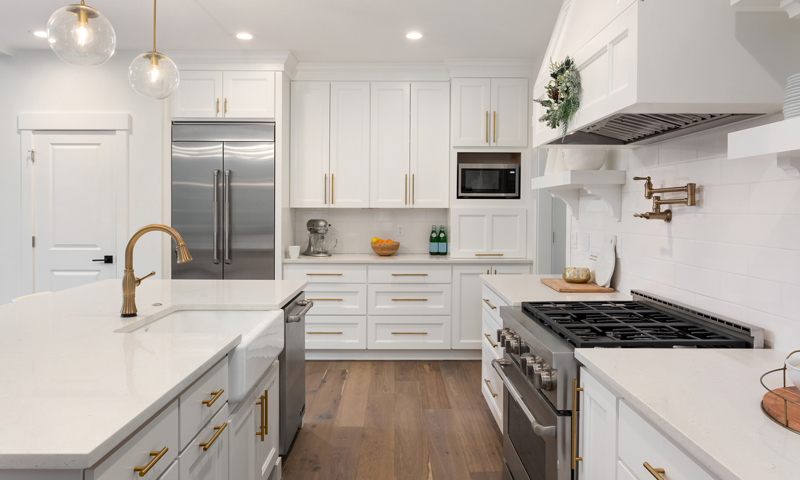
- Pendant Lights: Perfect for islands or dining areas, pendants add visual interest and direct light where it’s needed most.
- Flush Mounts: Suitable for kitchens with lower ceilings, these fixtures provide ample illumination without taking up much space.
- Track Lighting: Offers flexibility, allowing you to direct light to specific areas or features.
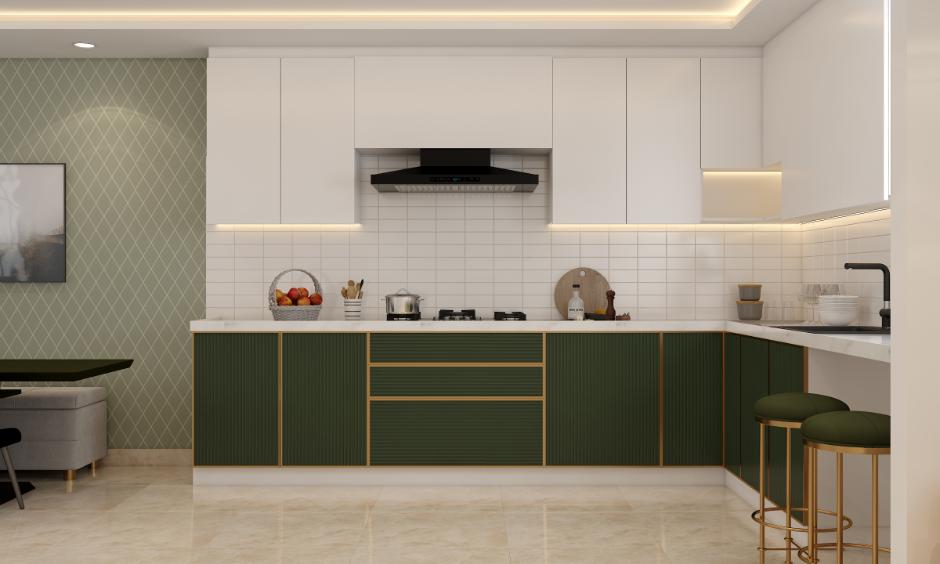
- Under-Cabinet Lighting: Essential for task lighting, these fixtures eliminate shadows on countertops and enhance visibility.
Consider mixing fixture types to achieve both function and style. For more inspiration, explore innovative kitchen remodeling ideas that incorporate creative lighting solutions.
Fixture Placement Tips for Maximum Brightness
Strategic placement of ceiling lights is vital for a bright, shadow-free kitchen. Here are some guidelines:
- Install recessed lights about 4 to 6 feet apart for even illumination.
- Position pendants 30 to 36 inches above islands or counters for optimal task lighting and visual balance.
- Use under-cabinet lights to brighten work surfaces and reduce shadows cast by overhead cabinets.
- Accent lighting, such as LED strips above cabinets, can add depth and highlight design features.
Remember to account for natural light sources, such as windows and skylights, when planning your layout. Combining artificial and natural light creates a welcoming and energy-efficient space.
Integrating Lighting With Kitchen Design
Lighting should complement your kitchen’s overall design. Choose fixture finishes and styles that coordinate with hardware, appliances, and color schemes. For example, brushed nickel pendants pair well with stainless steel appliances, while matte black fixtures can create a bold, modern look.
To further enhance your kitchen’s style, consider the following:
- Use dimmers to adjust brightness for different activities and moods.
- Select energy-efficient LED bulbs for long-lasting, cost-effective illumination.
- Highlight unique features such as backsplashes or open shelving with accent lighting.
If you’re updating other elements, you may also want to review kitchen remodeling hardware style guide for cohesive cabinet and drawer hardware options.
Common Mistakes to Avoid in Kitchen Lighting Plans
Even with the best intentions, certain pitfalls can undermine your kitchen’s brightness and functionality. Avoid these common mistakes:
- Relying solely on a central ceiling fixture, which often leads to shadows and uneven lighting.
- Overlooking task lighting for key work areas, making food prep and cooking less safe.
- Spacing recessed lights too far apart, resulting in dark spots.
- Ignoring the importance of dimmers and multiple circuits for flexible control.
- Choosing fixtures that clash with your kitchen’s style or are not rated for damp environments.
Careful planning and attention to detail help ensure your lighting plan enhances both the look and usability of your kitchen.
FAQ: Kitchen Ceiling Lighting for Remodels
How many recessed lights do I need in my kitchen?
The number depends on your kitchen’s size and layout. A good rule of thumb is to space recessed lights 4 to 6 feet apart, ensuring even coverage. For a standard 12×12 foot kitchen, 4 to 6 fixtures are usually sufficient, but adjust based on your specific needs and natural light sources.
What type of lighting is best for kitchen islands?
Pendant lights are a popular choice for kitchen islands, providing focused task lighting and a decorative touch. Choose fixtures that offer adequate brightness and hang them 30 to 36 inches above the island surface for optimal results.
Can I mix different fixture styles in my kitchen?
Yes, mixing fixture styles can add visual interest and enhance functionality. Combine recessed lights for general illumination, pendants for task areas, and under-cabinet lights for work surfaces. Just ensure the finishes and designs complement your overall kitchen aesthetic.
Final Thoughts on Bright Kitchen Lighting
Designing an effective ceiling lighting plan is a key step in any kitchen remodel. By layering ambient, task, and accent lighting, selecting the right fixtures, and carefully planning placement, you can create a bright, welcoming space that meets your needs. For more ideas on modern kitchen upgrades, you might also find inspiration in kitchen remodeling tile pattern guide and backsplash pattern ideas.
With thoughtful planning and attention to detail, your kitchen will not only look stunning but also function beautifully for years to come.