
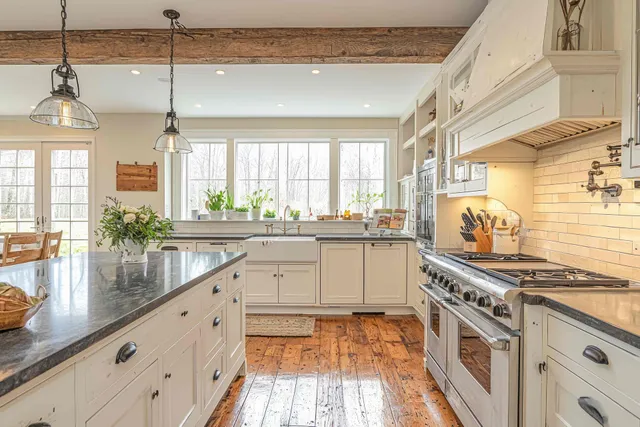

Creating a more open and inviting kitchen is one of the most effective ways to enhance the flow and functionality of your home. By embracing open concept kitchen remodeling ideas, homeowners can transform cramped, segmented spaces into bright, connected areas perfect for cooking, entertaining, and everyday living. Whether you’re planning a full renovation or just looking for inspiration to refresh your layout, this guide explores practical strategies and design tips to help you achieve a seamless, spacious feel.
From removing walls and rethinking cabinetry to choosing the right lighting and finishes, there are many ways to make your kitchen the heart of your home. For those interested in a more contemporary approach, you might also find value in exploring modern kitchen remodeling ideas that focus on clean lines and minimalist aesthetics.
Benefits of an Open Kitchen Layout
Adopting an open layout brings a range of advantages that go beyond aesthetics. Here are some of the most notable benefits:
- Enhanced Natural Light: Fewer walls allow sunlight to flow freely, making the entire area feel brighter and more welcoming.
- Improved Social Interaction: With open sightlines, it’s easier to engage with family and guests while preparing meals.
- Flexible Use of Space: The kitchen can seamlessly connect with dining and living areas, offering more options for entertaining or multitasking.
- Increased Home Value: Many buyers prefer open kitchens, making this remodel a smart investment for resale.
Removing Barriers: Walls and Structural Changes
One of the most impactful ways to create a sense of spaciousness is by eliminating unnecessary walls. Before starting demolition, consult with a professional to determine which walls are load-bearing and what structural reinforcements may be needed. Removing even a partial wall can dramatically change the feel of your kitchen, connecting it to adjacent spaces and improving traffic flow.
If a full wall removal isn’t possible, consider installing a wide pass-through or a half-wall with a breakfast bar. This approach maintains some separation while still opening up sightlines and encouraging interaction.
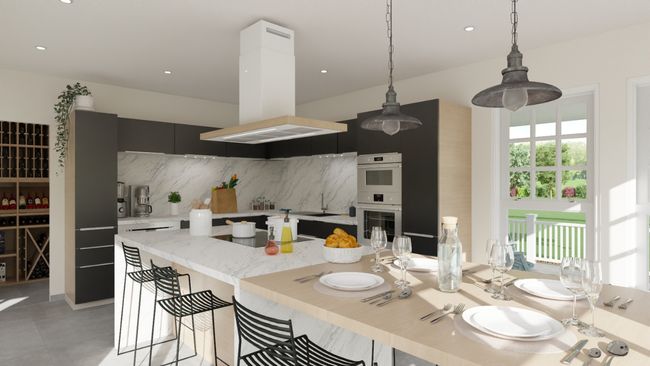
Designing for Flow and Functionality
When planning an open kitchen, it’s important to balance openness with practical zones for cooking, dining, and relaxing. Here are a few tips to keep your space functional:
- Island Placement: A central island can define the kitchen area, provide extra prep space, and serve as a casual dining spot.
- Consistent Flooring: Using the same flooring throughout the kitchen and adjoining rooms visually unifies the space and enhances the open feel.
- Strategic Storage: Incorporate tall cabinets, open shelving, or built-in pantries to keep clutter at bay without sacrificing openness.
- Clear Pathways: Ensure there’s enough room to move comfortably between work zones and seating areas.
For those new to renovations, reviewing kitchen remodeling tips for beginners can help you avoid common pitfalls and plan a successful project.
Choosing Materials and Finishes for an Airy Look
The right materials can enhance the sense of openness and light in your kitchen. Opt for lighter color palettes, reflective surfaces, and streamlined cabinetry to maximize brightness and visual space.
- Cabinetry: Flat-panel or shaker-style cabinets in white, light gray, or natural wood tones work well in open layouts.
- Countertops: Quartz, marble, or light granite surfaces reflect light and add elegance.
- Backsplashes: Glass or glossy ceramic tiles can bounce light around the room.
- Hardware: Minimalist handles and pulls keep the look clean and uncluttered.
Lighting Solutions for Open Kitchens
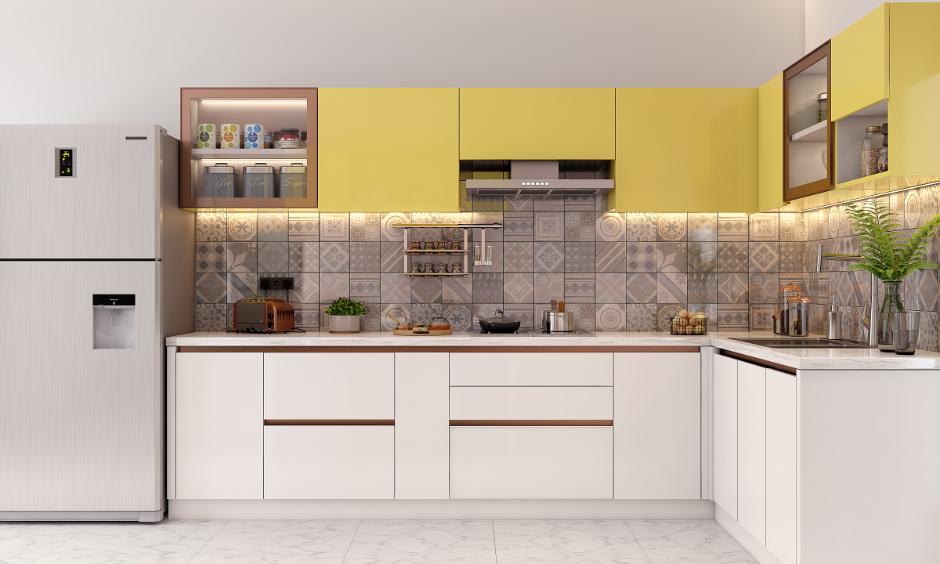
Good lighting is essential in an open kitchen. Layered lighting—combining ambient, task, and accent fixtures—ensures every area is well-lit and visually appealing. Consider recessed ceiling lights for general illumination, pendant lights over the island, and under-cabinet lighting for work surfaces. The right lighting not only improves functionality but also highlights your design choices.
For more inspiration on lighting and layout, check out these design ideas for kitchen remodels from a trusted industry source.
Integrating Dining and Living Spaces
One hallmark of open concept designs is the seamless transition between the kitchen, dining, and living areas. To achieve this, use coordinated color schemes, complementary furniture styles, and thoughtful placement of rugs or lighting to subtly define each zone. Movable furniture, such as bar stools or benches, adds flexibility for gatherings and daily use.
If you’re interested in sustainable living or planning a home from scratch, you may also want to explore the complete guide to off-grid homesteading for ideas on integrating kitchen spaces into broader home layouts.
Common Challenges and How to Overcome Them
While open layouts offer many benefits, they can also present challenges such as noise, cooking odors, and limited wall space for storage. Here are a few solutions:
- Noise Control: Use soft furnishings, area rugs, and acoustic panels to absorb sound.
- Ventilation: Invest in a high-quality range hood to minimize cooking smells spreading throughout the home.
- Smart Storage: Maximize vertical space with tall cabinets or open shelving, and consider multipurpose furniture.
- Visual Clarity: Keep countertops clear and use decorative trays or baskets to organize essentials.
Frequently Asked Questions
What is the best way to start planning an open kitchen remodel?
Begin by assessing your current layout and identifying which walls or barriers can be safely removed. Consult with a contractor or designer to ensure structural integrity, and create a detailed plan that addresses workflow, storage, and lighting needs.
How can I maintain privacy or separation in an open kitchen?
Use furniture placement, area rugs, or partial walls like breakfast bars to subtly define zones. Decorative screens or sliding panels can also provide flexible separation when needed.
Are open kitchens suitable for small homes?
Yes, removing walls and using consistent materials can make even compact spaces feel larger and more connected. Focus on smart storage solutions and multifunctional furniture to maximize utility.
Where can I find more tips for first-time remodelers?
For practical advice, check out these kitchen remodeling tips for beginners to help you plan and execute your project with confidence.
