Building a self-sufficient lifestyle away from modern infrastructure is a dream for many seeking independence, sustainability, and a closer connection to nature. This complete guide to off-grid homesteading will walk you through the essential steps, considerations, and resources needed to start your own off-grid journey from the ground up.
Whether you’re looking to escape the grid for environmental reasons, personal freedom, or simply to live a more hands-on life, understanding the basics and planning carefully are crucial. From choosing the right land to setting up energy, water, and food systems, each decision shapes your experience and long-term success. If you’re still deciding where to settle, you may want to explore the best states for off-grid homesteading to find a location that matches your climate, legal, and resource needs.
Getting Started: Planning Your Off-Grid Homestead
The foundation of a successful off-grid homestead is careful planning. Start by clarifying your goals and priorities. Are you aiming for total self-sufficiency, or do you want a hybrid approach with some modern conveniences? Consider your family size, climate preferences, and long-term vision.
Legal considerations are also important. Before you purchase land or begin building, research zoning laws, building codes, and utility easements. For a deeper look at the legal landscape, see this resource on can you live off-grid legally to understand what’s permitted in your area.
Key steps in the planning phase include:
- Setting a realistic budget for land, materials, and ongoing expenses
- Choosing a location with access to water, sunlight, and fertile soil
- Evaluating the proximity to emergency services and markets
- Assessing risks such as wildfires, floods, or extreme weather
Choosing and Preparing Your Land
Selecting the right property is one of the most significant decisions in any off-grid living guide. Look for land that offers natural resources and is suitable for building, gardening, and raising animals. Consider the following:
- Water sources: Reliable access to a spring, creek, or well is essential
- Sun exposure: South-facing slopes are ideal for solar energy and gardening
- Soil quality: Test the soil for nutrients and drainage before committing
- Access: Ensure you can reach your land year-round, even in bad weather
For more on sizing your property, check out how much land needed for off-grid homestead to match your ambitions with the right acreage.
Building Shelter and Essential Structures
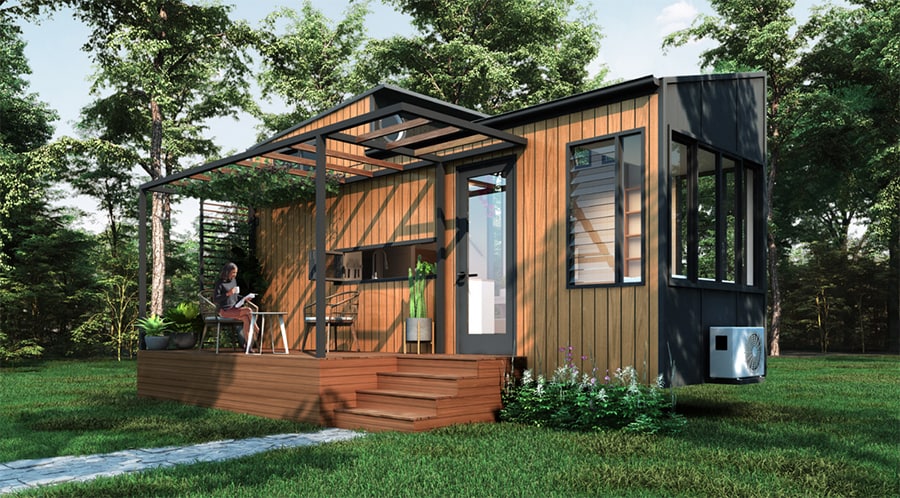
Your first structure is often a simple cabin, yurt, or tiny house. The main priorities are weather protection, insulation, and efficient use of space. Many homesteaders start small and expand as skills and resources grow.
- Use local, sustainable materials when possible
- Design for passive solar heating and cooling
- Plan for future expansions: barns, greenhouses, or workshops
- Install rainwater catchment systems early in the process
Outbuildings for tools, livestock, and storage are also important. Prioritize structures that support your food production and animal care.
Powering Your Homestead: Off-Grid Energy Solutions
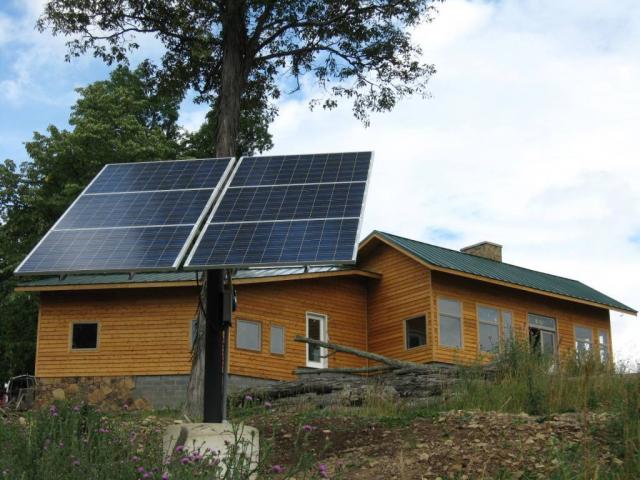
Generating your own energy is a cornerstone of off-grid homesteading. Solar panels are the most common choice, but wind, micro-hydro, and backup generators can also play a role. Your energy system should match your climate, budget, and daily needs.
- Solar: Reliable in sunny regions, scalable, and low-maintenance
- Wind: Effective in consistently windy areas
- Micro-hydro: Ideal if you have access to flowing water year-round
- Generators: Useful as a backup, especially in winter or emergencies
For a detailed breakdown of energy options and setup, see this comprehensive off-grid living resource.
Water, Waste, and Sanitation Systems
Reliable water access is non-negotiable. Options include wells, springs, rainwater harvesting, and surface water. Invest in filtration and purification systems to ensure safe drinking water year-round.
- Install a backup water source if possible
- Use gravity-fed systems to reduce energy needs
- Compost toilets and greywater systems can minimize waste and enrich your soil
- Plan for winterization to prevent frozen pipes in cold climates
Managing waste responsibly protects both your health and the environment. Composting, recycling, and reusing materials are key habits for any sustainable homestead.
Growing Food and Raising Animals
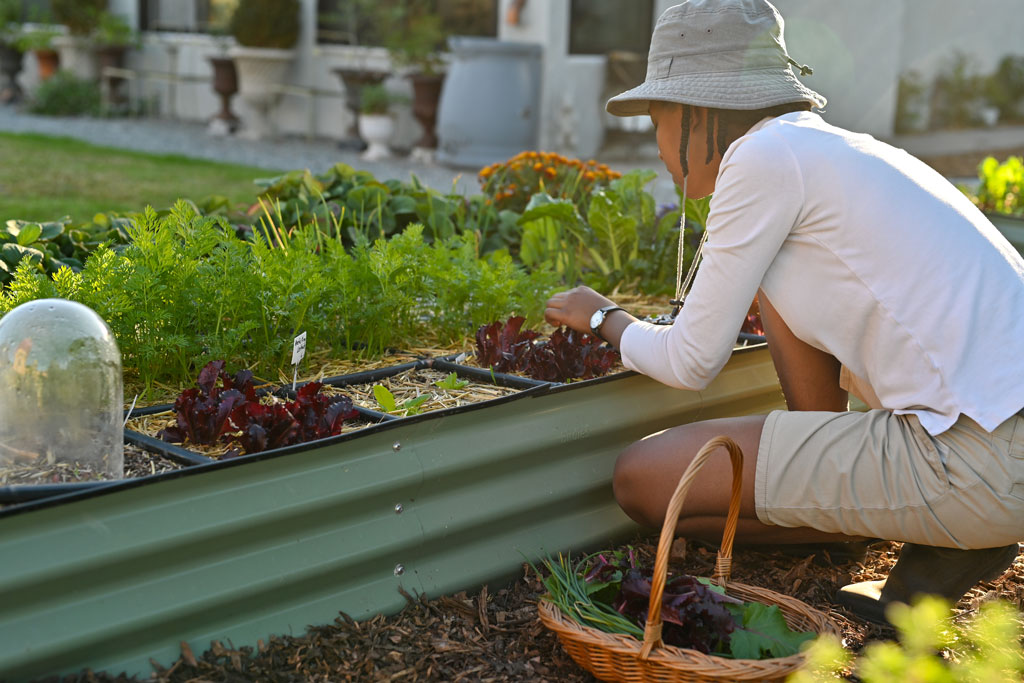
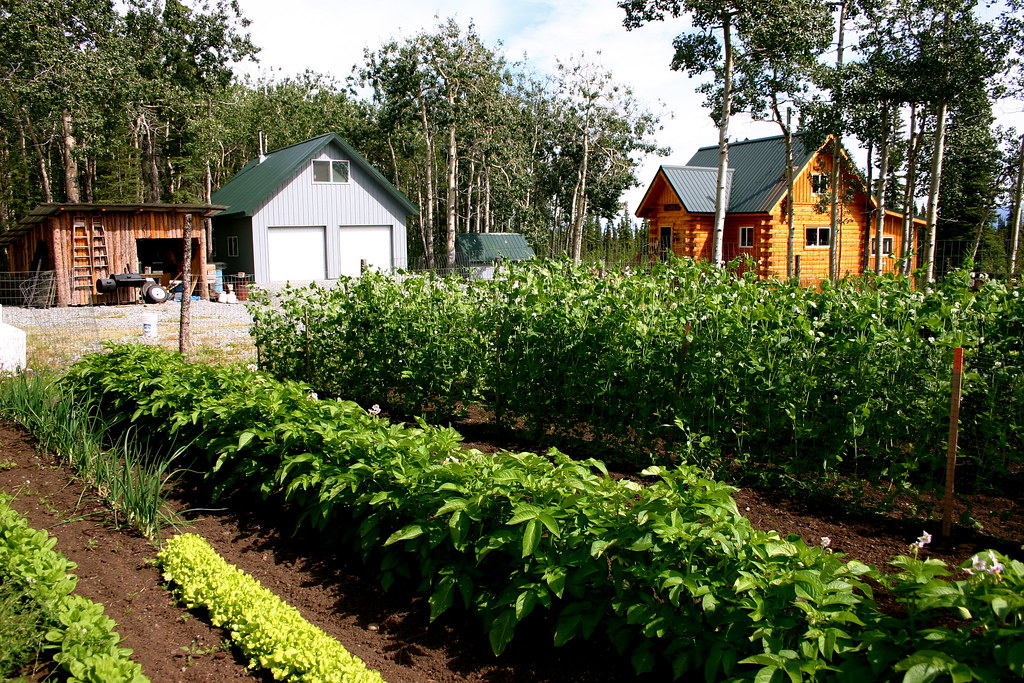
Food production is at the heart of self-reliance. Start with a manageable garden and expand as you gain experience. Raised beds, greenhouses, and permaculture designs can boost yields and extend your growing season.
- Choose crops suited to your climate and soil
- Rotate crops and use cover crops to maintain soil fertility
- Raise chickens, goats, or rabbits for eggs, milk, and meat
- Secure fencing and shelters to protect livestock from predators
For those interested in preparedness, see off-grid medical preparedness for tips on staying healthy and ready for emergencies.
Staying Safe and Prepared
Living independently means being ready for a range of emergencies, from storms to medical issues. Keep a well-stocked first aid kit, backup food and water supplies, and basic tools for repairs. Regularly review your plans for fire, severe weather, and evacuation.
For more in-depth strategies, visit the disaster preparedness off-grid guide to strengthen your resilience.
Maintaining Your Homestead: Ongoing Tasks and Community
Off-grid living is a continuous learning process. Maintenance tasks—like checking batteries, repairing fences, and rotating crops—are part of daily life. Building relationships with neighbors, local farmers, and online communities can provide support, advice, and even bartering opportunities.
Document your progress and setbacks. Keeping records helps you improve systems, plan for the future, and celebrate milestones along the way.
Frequently Asked Questions
What are the biggest challenges of starting an off-grid homestead?
The most common challenges include securing reliable water and energy sources, adapting to new skills, navigating legal requirements, and managing the physical and mental demands of self-sufficiency. Careful planning and ongoing learning can help overcome these hurdles.
How much does it cost to set up an off-grid lifestyle?
Costs vary widely based on location, land size, building methods, and desired amenities. Initial expenses often include land purchase, shelter construction, energy systems, water infrastructure, and tools. Many homesteaders start small and expand as resources allow.
Is it possible to live off-grid legally everywhere?
Legal restrictions differ by state, county, and municipality. Some areas have strict zoning laws or building codes that limit off-grid options, while others are more flexible. Always research local regulations before purchasing land or starting construction.