
Work environments are evolving rapidly, and the way offices are designed and built out plays a crucial role in supporting productivity, collaboration, and employee well-being. Businesses today are seeking office buildout modern design trends that not only reflect their brand identity but also foster flexibility, sustainability, and innovation. Understanding these trends is essential for companies aiming to create spaces that attract and retain top talent while adapting to changing work styles.
Whether planning a new office or renovating an existing space, keeping up with the latest approaches can make a significant difference in both functionality and aesthetics. From open layouts to biophilic elements, the current wave of workplace design is all about creating environments that are adaptable, efficient, and inspiring. For those interested in optimizing other areas of their property, exploring kitchen remodeling space optimization tips can also offer valuable insights into maximizing space and utility.
Key Elements Shaping Contemporary Office Buildouts
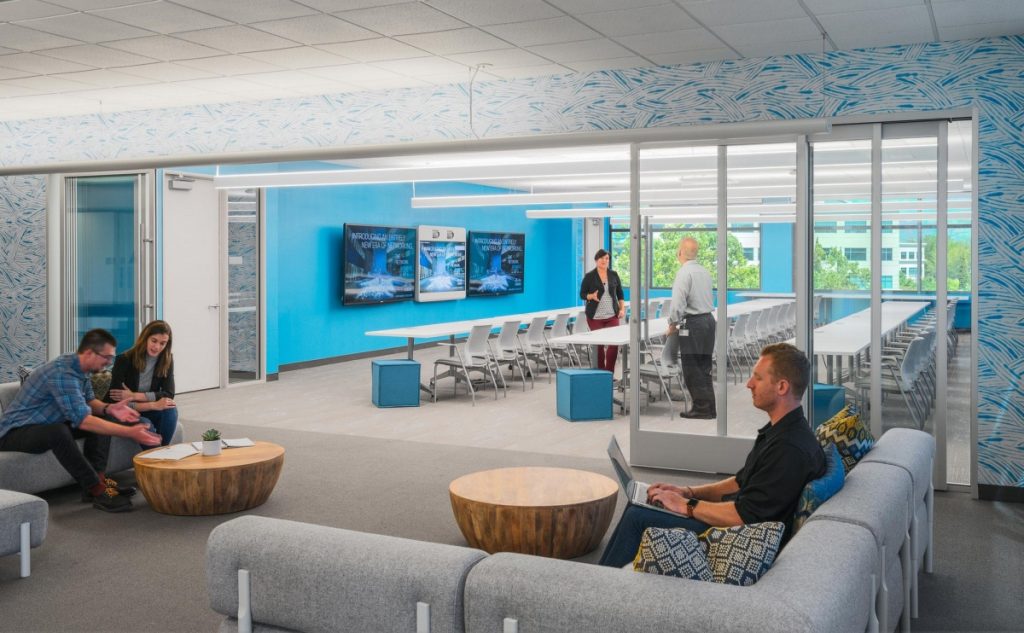
Modern workplaces are no longer defined by rows of cubicles or isolated offices. Instead, the focus is on creating dynamic environments that support a variety of work modes. Below are some of the most influential features shaping today’s office interiors:
- Flexible layouts that allow for easy reconfiguration as teams and projects change.
- Collaborative zones designed to encourage teamwork and spontaneous interaction.
- Private spaces for focused work, phone calls, or confidential meetings.
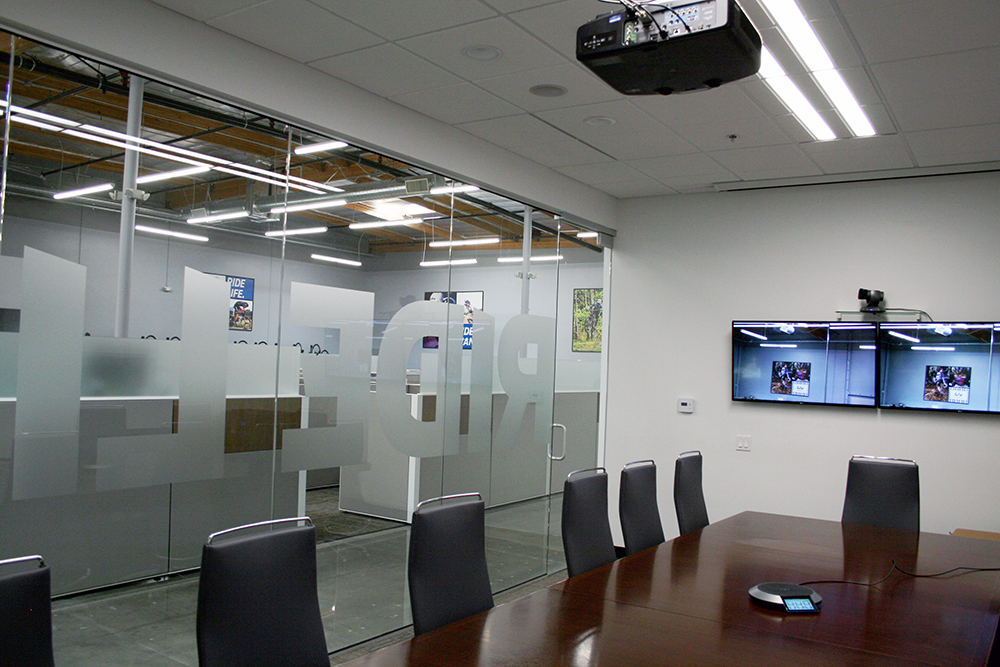
- Technology integration to support hybrid work and seamless communication.
- Sustainable materials and energy-efficient systems that reduce environmental impact.
Flexible Workspaces and Adaptable Design
One of the most prominent office buildout modern design trends is the move toward flexibility. Businesses recognize that work is no longer confined to a single desk or room. Instead, employees need a variety of settings to suit different tasks—whether it’s brainstorming in a group, focusing solo, or connecting virtually with remote colleagues.
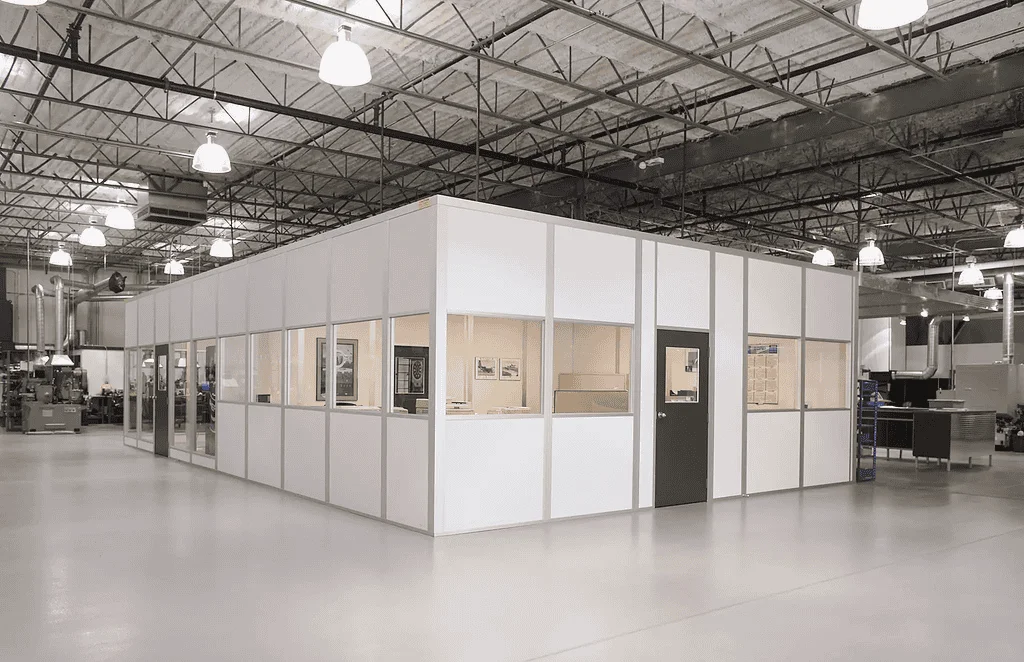
Adaptable furniture, movable partitions, and multipurpose rooms are becoming standard features. These elements allow organizations to adjust their space as needs evolve, supporting both in-person and remote work. This approach not only maximizes the use of square footage but also helps companies respond quickly to changes in team size or workflow.
Biophilic Design and Wellness-Focused Features
Employee well-being is at the forefront of workplace design. Incorporating natural elements—known as biophilic design—has proven benefits for mood, productivity, and overall health. Features like living green walls, abundant natural light, and indoor plants are increasingly common in new office buildouts.
Other wellness-focused elements include ergonomic furniture, adjustable standing desks, and quiet zones for relaxation or meditation. These additions not only support physical health but also contribute to a positive company culture and higher job satisfaction.
Technology Integration and Smart Office Solutions
Modern offices are leveraging technology to create smarter, more efficient work environments. Integrated audiovisual systems, wireless charging stations, and touchless entry points are just a few examples of how tech is shaping the future of workspaces.
With the rise of hybrid work, video conferencing capabilities and collaborative digital tools are essential. Smart sensors can monitor occupancy, air quality, and energy usage, helping organizations optimize both comfort and sustainability. For a deeper dive into the buildout process, mastering the office build-out process offers a comprehensive look at planning and execution.
Sustainability and Eco-Conscious Materials
Environmental responsibility is a driving force in current office buildout strategies. Companies are choosing materials with low environmental impact, such as recycled wood, reclaimed metals, and low-VOC paints. Energy-efficient lighting, HVAC systems, and water-saving fixtures are also standard in green office projects.
Beyond materials, sustainable design includes maximizing natural light, improving indoor air quality, and reducing waste during construction. These efforts not only benefit the planet but can also lead to cost savings and improved employee well-being over time.
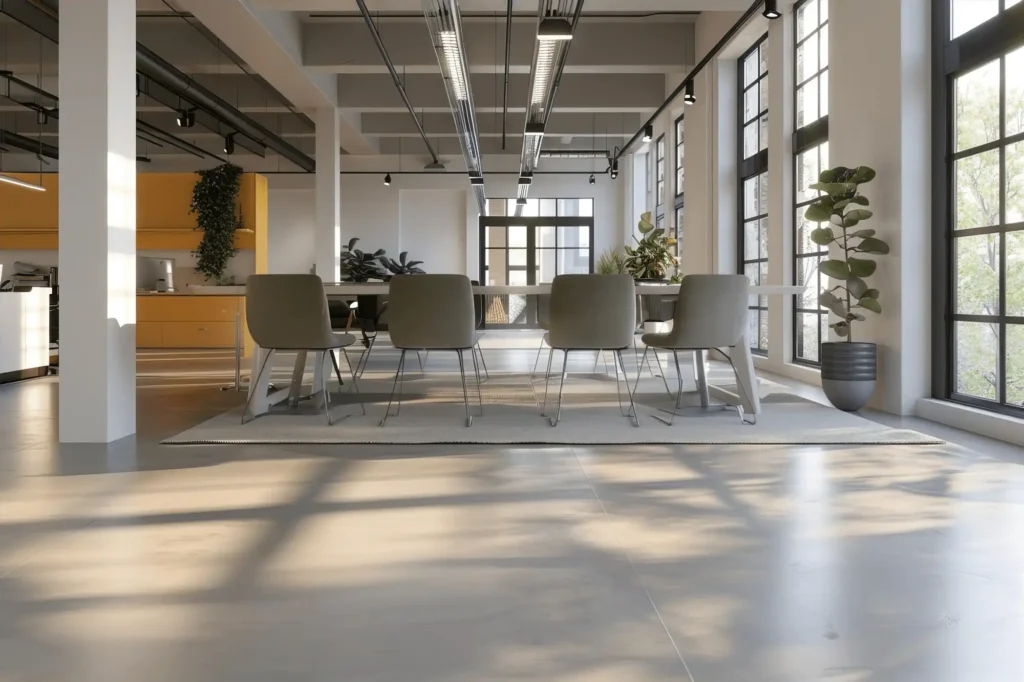
Brand Identity and Customization in Office Interiors
Today’s organizations want their workspaces to reflect their unique culture and values. Custom branding—through color schemes, artwork, and architectural details—helps reinforce a company’s identity and create a sense of belonging for employees.
Personalized spaces can include branded meeting rooms, feature walls, or even custom furniture. This level of detail not only impresses visitors but also boosts morale and engagement among staff. The trend toward customization ensures that no two offices look exactly alike, even when following similar design principles.
Collaboration, Privacy, and the Balance Between Open and Closed Spaces
While open-plan offices remain popular for encouraging teamwork, there is a growing recognition of the need for privacy and quiet. Modern layouts often include a mix of open areas, enclosed meeting rooms, phone booths, and quiet pods. This balance allows employees to choose the environment that best suits their work at any given time.
Acoustic treatments, such as sound-absorbing panels and carpeting, help minimize distractions in shared spaces. The result is a more harmonious office where collaboration and concentration can coexist.
Frequently Asked Questions
What are the most important considerations when planning a modern office buildout?
Key factors include flexibility, technology integration, sustainability, and employee well-being. It’s essential to design spaces that can adapt to changing work styles, support hybrid teams, and reflect the company’s brand. Prioritizing natural light, ergonomic furniture, and eco-friendly materials also contributes to a successful project.
How can businesses ensure their office design remains relevant as trends evolve?
Opt for adaptable layouts and modular furniture that can be reconfigured as needs change. Stay informed about emerging trends and involve employees in the design process to ensure the space supports their work. Regularly reviewing and updating technology and amenities will also help keep the office current.
Are sustainable materials more expensive for office buildouts?
While some eco-friendly options may have a higher upfront cost, they often lead to long-term savings through improved energy efficiency and reduced maintenance. Many sustainable materials are now competitively priced, and investing in green features can enhance employee satisfaction and support corporate responsibility goals.
Staying ahead of office buildout modern design trends allows organizations to create workspaces that are not only attractive but also functional and future-ready. By focusing on flexibility, wellness, technology, and sustainability, businesses can ensure their offices support both current and future needs.