

Introduction to LEED Certification
In today’s world, where sustainability and environmental responsibility are at the forefront of many industry discussions, embracing LEED certification strategies has become crucial for homeowners and real estate developers. LEED, which stands for Leadership in Energy and Environmental Design, offers a framework for building owners and operators to earn a global symbol of sustainability achievement. But what exactly are these strategies, and how can they lead to success?
Understanding the Basics of LEED Certification
What is LEED Certification?
LEED certification is a globally recognized system provided by the U.S. Green Building Council. It assists projects in implementing practical and measurable green building design, construction, operations, and maintenance solutions. The certification process evaluates and recognizes performance in nine key areas, including sustainable sites, water efficiency, energy and atmosphere, and indoor environmental quality.
Why Consider LEED Certification?
Choosing to go for a LEED certification offers multiple benefits, including reduced environmental impact, increased efficiency, and improved occupant satisfaction. For real estate developers, it can also provide a competitive edge in the market as more buyers and tenants seek eco-friendly spaces.
Effective Strategies for Achieving LEED Certification
1. Site Selection and Planning
Careful site selection is a foundational strategy for LEED certification. Opt for locations that support public transportation and minimize environmental disruption. Engage in sustainable site development by preserving natural areas and reducing pollution.
2. Water Efficiency
Adopt water-efficient landscaping and low-flow fixtures to earn points in the Water Efficiency category. Implementing strategies like rainwater harvesting and graywater recycling can significantly reduce water use.
3. Energy and Atmosphere Optimization
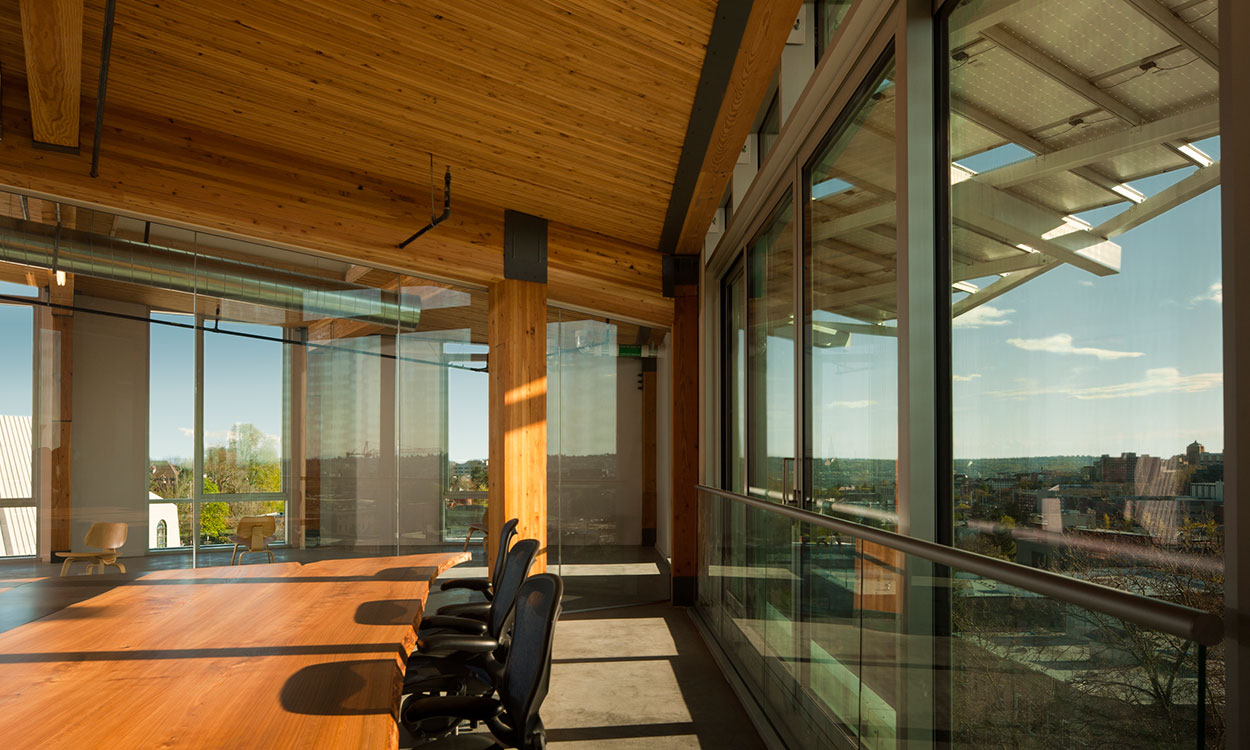
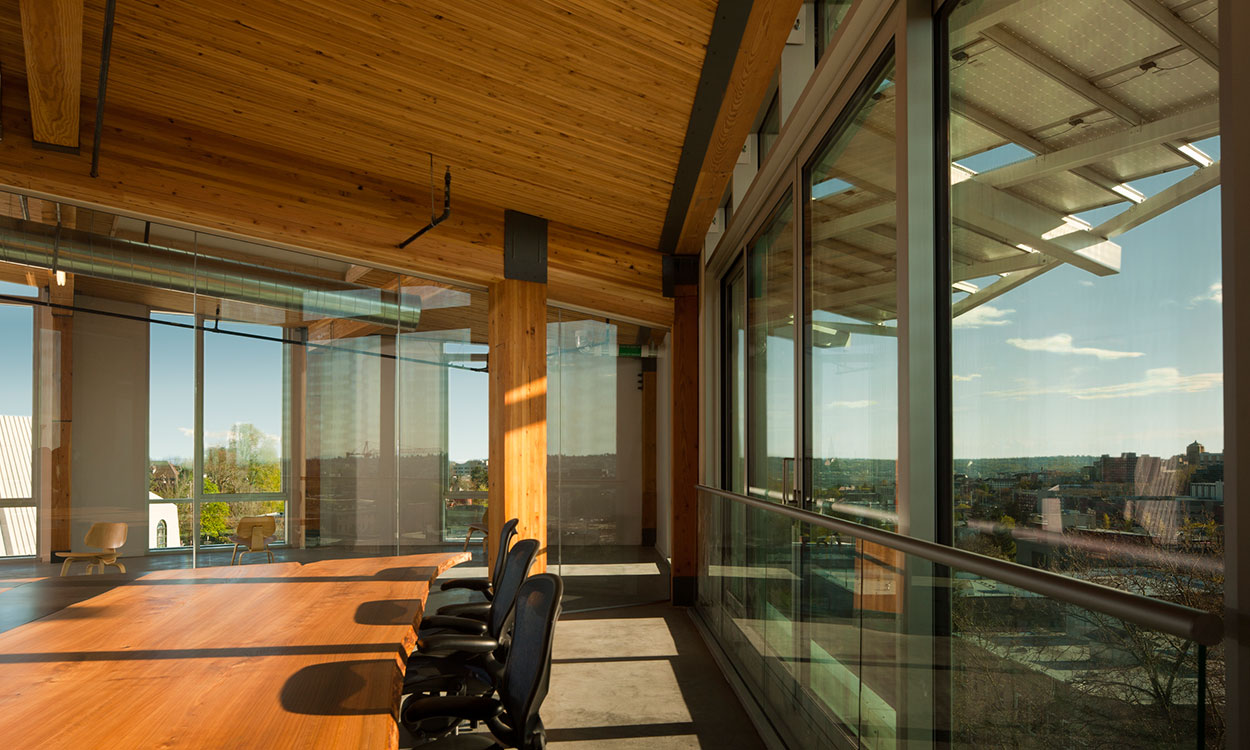
Energy efficiency is a crucial aspect of LEED certification strategies. Use renewable energy sources like solar panels and wind turbines. Conduct energy modeling to optimize building systems and enhance energy performance.
4. Use of Sustainable Materials
Select materials with high recycled content or those sourced regionally. Choose low-emitting products to improve indoor air quality and support a healthier environment.
U.S. Green Building Council ensures guidelines for compliant materials.
5. Indoor Environmental Quality
Focus on creating spaces that ensure occupant health and comfort. Enhance indoor air quality through proper ventilation, use of low-emitting materials, and effective natural lighting.
6. Innovation in Design
Innovation credits can be earned by exceeding LEED requirements and establishing unique solutions like green construction trends to meet environmental goals.
Navigating the Certification Process
LEED Project Registration
The initial step involves registering your project with the LEED certification program. This involves choosing the rating system that suits your project type, be it new construction, existing buildings, interior space, or others.
Documenting and Submitting
Accurate documentation for all LEED categories is critical. This includes data from planners, architects, and contractors. The documentation process helps earn points for successful certification.
Planning tips for documentation can streamline this phase.
Benefits of LEED Certification
Economic Advantages
While there are initial costs for achieving LEED certification, the long-term savings on energy and water, along with potential tax incentives, often outweigh these costs. LEED-certified buildings report higher occupancy rates and lease premiums.
Environmental Impacts
By adhering to LEED certification strategies, the environmental footprint is significantly reduced. This includes reduced carbon emissions, conservation of water resources, and sustainable management of material resources.
Social Benefits
LEED certification also promotes healthier indoor environments, which contributes to improved occupant health and productivity, ultimately enhancing the quality of life.
Challenges and Solutions in Achieving LEED Certification
Understanding Common Challenges
Some face challenges such as high upfront costs, complex documentation processes, and the need to integrate various contractors and systems effectively.
Overcoming Barriers
Knowledge sharing, continuous training, and employing experienced LEED consultants can overcome these hurdles. Engaging with communities of practice can also provide valuable insights.
Future Trends in LEED Certification
The realm of LEED certification strategies continues to evolve, with a growing focus on zero-net-energy buildings, smart technologies, and regenerative design principles. The future holds expansive potential for enhancing sustainable building practices.
Conclusion
Incorporating LEED certification strategies is a pivotal choice for those aiming for sustainability success. It paves the way toward efficient, eco-friendly, and health-conscious building practices that benefit developers, homeowners, and the planet.
FAQs
What does LEED stand for?
LEED stands for Leadership in Energy and Environmental Design, a green building certification program.
How does LEED certification benefit real estate developers?
It provides market differentiation, potential tax benefits, and improved property value through enhanced sustainability and efficiency.
Is LEED certification recognized globally?
Yes, it is a globally recognized symbol of excellence in sustainable building practices.
This article contains affiliate links. We may earn a commission at no extra cost to you.

