Embarking on the exciting journey of building a new home comes with a myriad of considerations. Among the most crucial is the rough-in plumbing for new house. This foundational step in construction ensures that all plumbing systems are properly installed and set up for future use. Whether you’re a homeowner or a real estate developer, understanding the nuances of rough-in plumbing can save you time, money, and headaches down the road.
What is Rough-In Plumbing?
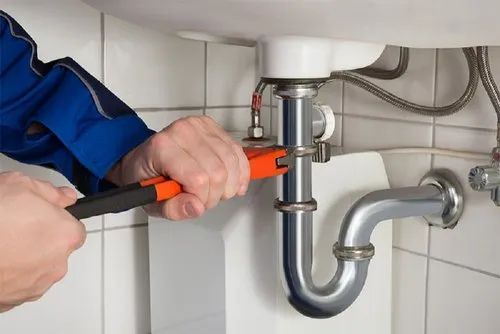
The term rough-in plumbing refers to the phase of construction where the plumbing system is set up but not yet fully connected. This means that the pipes, drains, and vent lines have been laid out and installed within the walls and floors, but the final connections to fixtures like sinks, toilets, and showers are not yet made. This stage is crucial as it forms the backbone of your home’s entire plumbing system.
Why is Rough-In Plumbing Important?
Understanding the importance of rough-in plumbing can help you appreciate its role in your new home. Properly executed rough-in plumbing ensures that water flows correctly throughout the house and that waste is efficiently removed. It also lays the groundwork for any future plumbing needs, making it easier to install additional fixtures or make repairs later on.
Key Components of Rough-In Plumbing
The main components involved in rough-in plumbing include:
- Pipes: These are the channels through which water flows in and out of your home.
- Drains: Essential for removing wastewater, drains must be correctly sloped and positioned.
- Vent Lines: These lines prevent sewer gases from entering the home and help maintain proper pressure in the pipes.
Steps Involved in Rough-In Plumbing
The process of rough-in plumbing involves several steps, each critical to the integrity of the plumbing system:
1. Planning the Layout
Before any pipes are laid, a detailed plan is essential. This involves mapping out where each fixture will go and ensuring that the plumbing layout aligns with the overall design of the house.
2. Installing the Main Water Line
The main water line is the lifeline of your plumbing system. It must be installed first to provide a reliable water source to the entire home.
3. Laying Down Pipes and Drains
Once the main water line is in place, pipes and drains are laid out according to the plan. This step requires precision to ensure that everything is properly aligned and connected.
4. Adding Vent Pipes
Vent pipes are added to ensure that the plumbing system functions efficiently. These pipes allow air to enter the system, preventing vacuums that could disrupt water flow.
5. Inspection and Approval
After the pipes and drains are installed, an inspection is conducted to ensure everything meets local building codes and standards. This step is crucial for preventing future issues.
Challenges in Rough-In Plumbing
Like any construction phase, rough-in plumbing can present challenges. These may include unexpected obstacles in the building site, miscalculations in the plumbing layout, or issues with local building codes. Addressing these challenges promptly can prevent costly delays.
Cost Considerations
The cost of rough-in plumbing varies depending on the size of the house, the complexity of the plumbing system, and local labor rates. On average, homeowners can expect to spend between $7,000 and $15,000 on rough-in plumbing for a new house. For more detailed information, you can check out this resource.
DIY or Professional Help?
While some homeowners may consider tackling rough-in plumbing themselves, it is generally advised to hire professionals. The complexity and importance of this task make it risky for inexperienced individuals to attempt on their own. For those interested in DIY plumbing projects, you can explore more on this page.
Future-Proofing Your Plumbing System
One of the advantages of properly executed rough-in plumbing is the ability to future-proof your home’s plumbing system. This means that your system is designed to easily accommodate new fixtures or modifications without requiring extensive renovations.
Regular Maintenance
Regular maintenance is key to ensuring that your plumbing system continues to function efficiently. This includes checking for leaks, testing water pressure, and ensuring that drains are not clogged.
Environmental Considerations
In today’s world, environmental considerations are increasingly important. When planning your rough-in plumbing, consider incorporating eco-friendly fixtures and practices to reduce water usage and minimize environmental impact.
Conclusion
In conclusion, rough-in plumbing for new house is a fundamental aspect of home construction that requires careful planning and execution. By understanding the process and its importance, homeowners and real estate developers can ensure a reliable and efficient plumbing system for years to come.
FAQ
What is the average cost of rough-in plumbing?
The average cost of rough-in plumbing for a new house ranges from $7,000 to $15,000, depending on various factors such as the size of the home and local labor rates.
Can I do rough-in plumbing myself?
While it is possible for experienced individuals to tackle rough-in plumbing, it is generally recommended to hire professionals due to the complexity and importance of the task.
How long does rough-in plumbing take?
The duration of rough-in plumbing depends on the size of the project and any unforeseen challenges, but it typically takes a few days to complete.
This article contains affiliate links. We may earn a commission at no extra cost to you.