
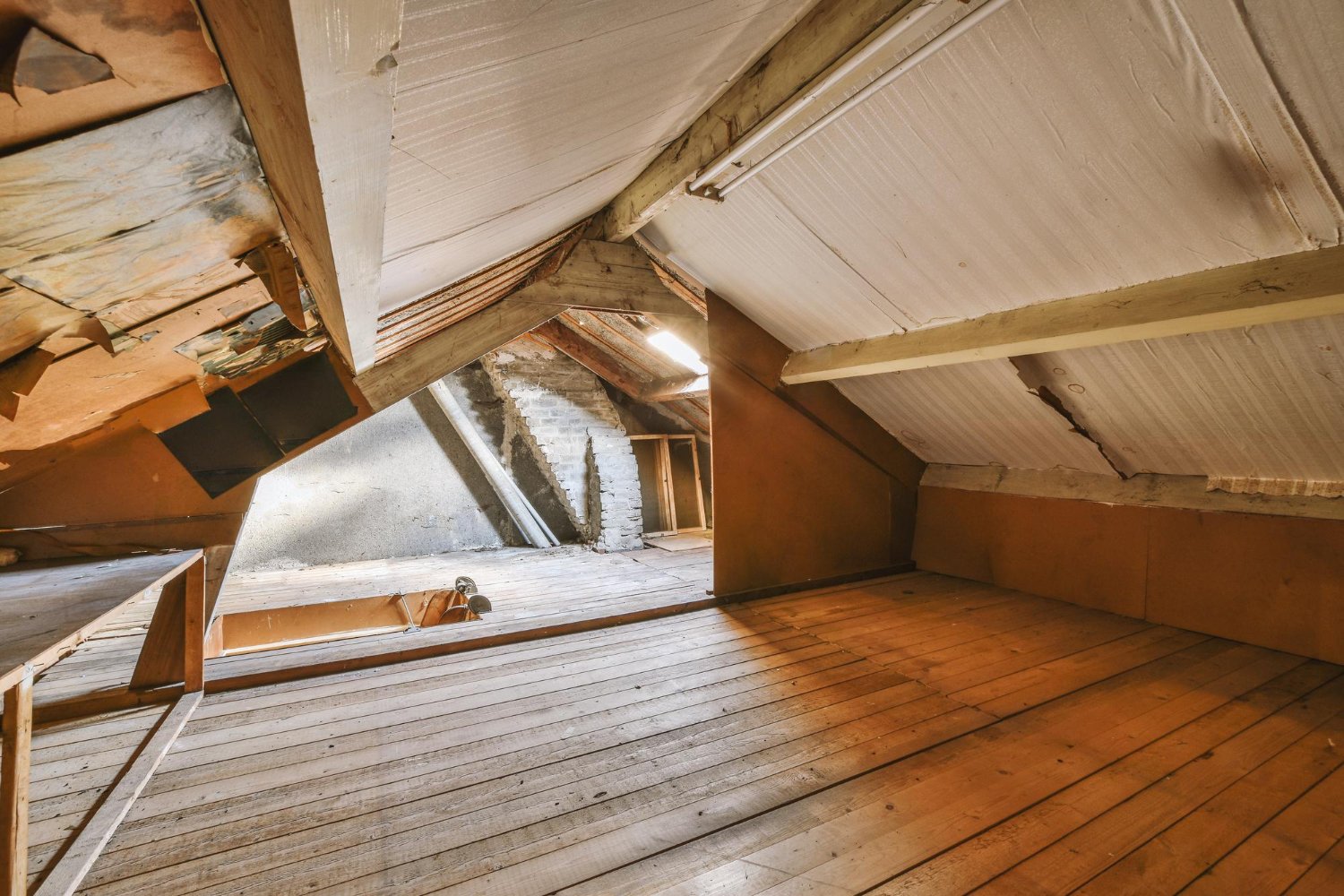

When it comes to maintaining a comfortable and energy-efficient home, one cannot overlook the importance of proper attic insulation. The best attic insulation materials not only help in reducing energy bills but also enhance the overall comfort of your living space. In this article, we will explore various insulation materials that are worth considering for your attic.
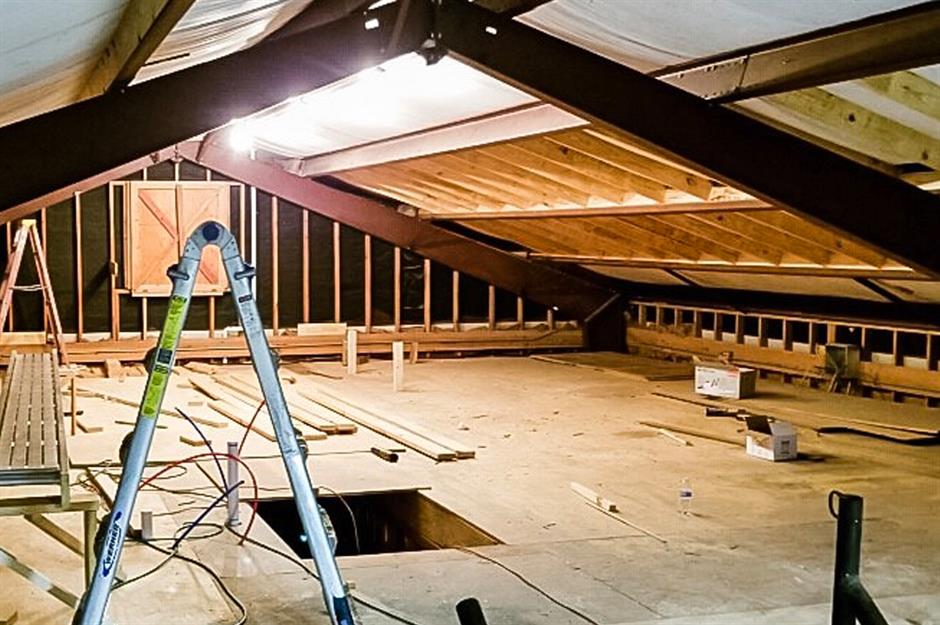
Understanding the Importance of Attic Insulation
Attic insulation plays a crucial role in maintaining the thermal balance of your home. It acts as a barrier, preventing heat from escaping during the winter and keeping your home cooler in the summer. This not only improves comfort but also reduces the strain on your heating and cooling systems.
Types of Attic Insulation Materials
Fiberglass Insulation
Fiberglass is one of the most popular choices for attic insulation. It is made from fine strands of glass and is highly effective in trapping heat. Its affordability and ease of installation make it a favored option for many homeowners.
Cellulose Insulation
Made from recycled paper products, cellulose insulation is an eco-friendly option. It is treated with fire-retardant chemicals to enhance safety. Its ability to fill gaps and crevices makes it a great choice for attics with irregular shapes.
Spray Foam Insulation
Spray foam insulation is known for its excellent sealing properties. It expands to fill gaps and cracks, providing a superior barrier against air leaks. Although it is more expensive, its efficiency in reducing energy costs makes it a worthwhile investment.
Reflective or Radiant Barrier
This type of insulation is designed to reflect heat away from the attic. It is particularly useful in warmer climates where keeping the heat out is a priority. Its installation is simple and can significantly reduce cooling costs.
Factors to Consider When Choosing Insulation
Choosing the right insulation material depends on several factors:
R-Value
The R-value measures the insulation’s ability to resist heat flow. Higher R-values indicate better insulation performance. Consider the recommended R-value for your climate zone when selecting insulation materials.
Cost
While some materials may have a higher upfront cost, they can lead to significant savings on energy bills over time. Consider the long-term benefits when evaluating the cost of insulation materials.
Environmental Impact
For environmentally conscious homeowners, the sustainability of insulation materials is a key consideration. Look for materials made from recycled or renewable resources.
Installation Considerations
Proper installation is crucial for the effectiveness of attic insulation. It is recommended to hire professionals for installation to ensure optimal performance. Incorrect installation can lead to gaps and air leaks, reducing the efficiency of the insulation.
Benefits of Proper Attic Insulation
Investing in the best attic insulation materials offers numerous benefits:
- Energy Savings: Proper insulation reduces the need for heating and cooling, leading to lower energy bills.
- Enhanced Comfort: A well-insulated attic helps maintain a consistent temperature throughout your home.
- Environmental Impact: Reduced energy consumption contributes to a lower carbon footprint.
Common Mistakes to Avoid
When insulating your attic, avoid these common pitfalls:
- Ignoring air leaks: Seal any air leaks before installing insulation to maximize its effectiveness.
- Overlooking ventilation: Proper ventilation is essential to prevent moisture buildup and maintain air quality.
Maintaining Your Attic Insulation
Regular maintenance ensures your insulation continues to perform well. Check for signs of wear and tear, and replace damaged insulation promptly. Consider scheduling professional inspections periodically.
Conclusion
Choosing the right attic insulation materials is a vital step in improving your home’s energy efficiency and comfort. By considering factors like R-value, cost, and environmental impact, you can make an informed decision that benefits both your home and the environment.
FAQs
What is the best insulation for attics in cold climates?
Fiberglass and spray foam insulation are excellent choices for cold climates due to their high R-value and ability to prevent heat loss.
How often should I replace attic insulation?
Attic insulation typically lasts 20-30 years, but regular inspections can help determine if replacement is needed sooner.
Can I install attic insulation myself?
While DIY installation is possible, hiring a professional ensures proper installation and maximizes the insulation’s effectiveness.
For more information on attic renovation, visit this external link.
For ideas on energy efficiency in your home, check out this guide on common mistakes to avoid.
This article contains affiliate links. We may earn a commission at no extra cost to you.

