

When it comes to constructing eco-friendly buildings, the LEED certification checklist plays a pivotal role. It serves as a comprehensive guide for assessing and improving the sustainability of construction projects. Both homeowners and real estate developers are increasingly recognizing the value of adhering to this checklist. The demand for green buildings is growing, and understanding the criteria of the LEED certification checklist is essential for staying ahead in the sustainable building industry.
What is LEED Certification?
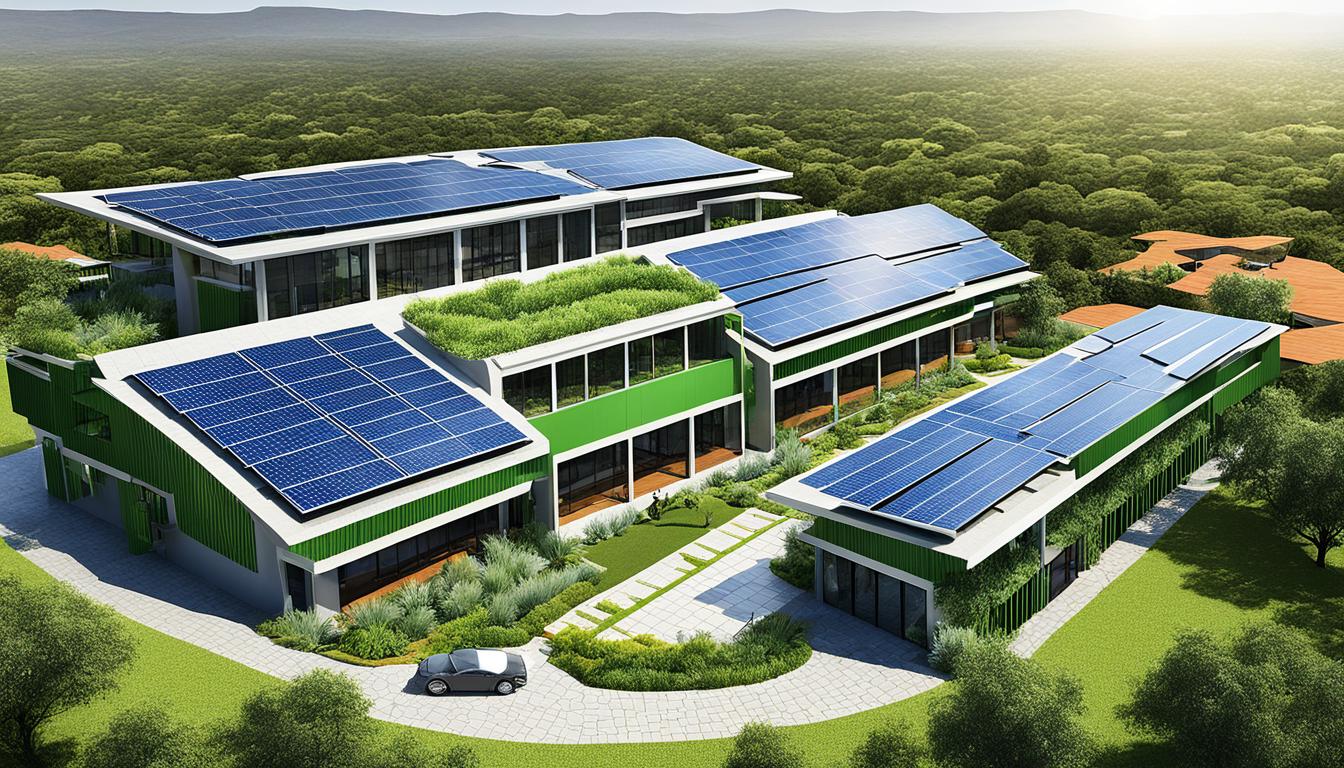
LEED, which stands for Leadership in Energy and Environmental Design, is a globally recognized green building certification system. It provides a framework for creating healthy, efficient, and cost-saving green buildings. The certification is a symbol of excellence in building sustainability and resource efficiency.
Why is LEED Certification Important?
Adopting LEED-certified standards has numerous benefits. From reducing operational costs to minimizing environmental impact, buildings meeting LEED criteria are more equipped to support sustainable growth. Furthermore, LEED-certified properties can enhance asset value and attract potential buyers or tenants who prioritize sustainability.
Sustainable Site Selection
A critical aspect of the LEED certification checklist is sustainable site selection. This involves evaluating the environmental characteristics of the land and ensuring that crucial ecosystems are preserved. Opting for previously developed land, as opposed to untouched natural areas, helps mitigate ecological disruption.
Efficient Use of Water
Water efficiency is another essential element within the checklist. The goal is to reduce water consumption in buildings through innovative technologies and practices, including rainwater harvesting and high-efficiency irrigation systems.
Energy and Atmosphere
Energy use is a significant factor in LEED certification. Buildings are encouraged to optimize energy performance by using renewable energy sources and implementing energy-saving techniques. Real estate developers can gain more insights into such practices here.
Material and Resources
The checklist emphasizes using materials that are sustainable, responsibly sourced, and recyclable. Minimizing waste during construction and operation is crucial for obtaining LEED certification. For guidance on material selection, you can consult the green construction guide.
Indoor Environmental Quality
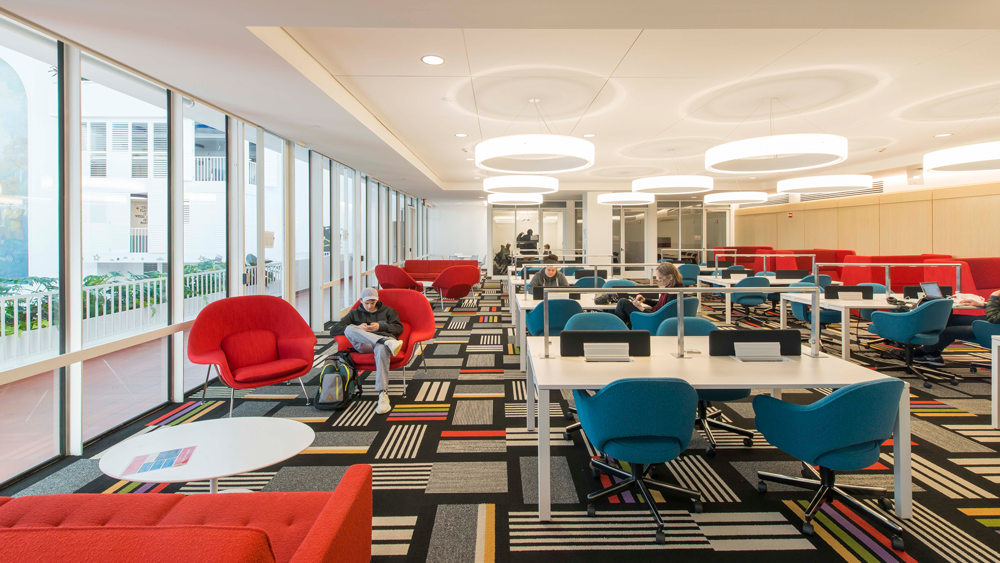
A critical aspect of sustainable building is providing a high-quality indoor environment. This is achieved by enhancing natural lighting, improving ventilation, and minimizing the use of materials that release harmful pollutants.
Innovative Design
Innovation is at the heart of LEED-certified projects. Creativity and resourcefulness in sustainable design and construction can significantly contribute to earning certification credits. Developers can explore innovative design strategies here.
Regional Priority Credits
Recognizing regional differences, LEED includes credits for meeting specific environmental priorities. These contribute to achieving more certification credits by focusing on local issues.
How to Begin Your LEED Certification Journey
The journey towards LEED certification begins with registering your project with an official LEED-accredited body. It is crucial to familiarize yourself with the requirements and procedures outlined in the LEED certification checklist. Assistance from a LEED-accredited professional can significantly streamline the process.
Common Mistakes to Avoid
Understanding the potential pitfalls is equally vital. Common mistakes include neglecting to document compliance evidence and overlooking regional environmental considerations. Ensure thorough documentation and consideration of local contexts to avoid these errors.
Benefits of LEED Certification for Real Estate
For real estate developers, LEED certification enhances marketability. Properties that are LEED-certified often see higher demand and improved tenant satisfaction. Discover more about these benefits here.
The Future of LEED
As the need for sustainable building practices intensifies, LEED continues to evolve. Embracing its principles will better prepare developers and homeowners for future regulatory and market shifts.
Conclusion
The LEED certification checklist is a powerful tool for ensuring sustainable and eco-friendly building practices. By understanding and applying its principles, developers and homeowners can play a significant role in reducing environmental impact and enhancing property value.
FAQs
1. What does LEED stand for?
LEED stands for Leadership in Energy and Environmental Design, a green building certification program.
2. How can I improve my building’s LEED score?
Focusing on areas such as energy efficiency, water usage, and sustainable materials will help improve your building’s LEED score.
3. Is LEED certification mandatory?
While LEED certification is voluntary, it provides numerous advantages, such as increased marketability and sustainability.
This article contains affiliate links. We may earn a commission at no extra cost to you.