


Designing a kitchen that supports efficient meal preparation and smooth workflow is a top priority for many homeowners. When considering kitchen remodeling cooking zone layout ideas, the focus should be on creating a space that is both practical and comfortable. The right layout can help reduce unnecessary movement, streamline daily tasks, and make cooking more enjoyable for everyone in the household.
Modern kitchen design emphasizes the importance of dedicated zones for specific tasks such as prepping, cooking, cleaning, and storage. By thoughtfully arranging these zones, you can maximize functionality while maintaining a visually appealing environment. Whether you are planning a full renovation or a simple update, understanding the principles behind efficient kitchen layouts will help you make informed decisions that suit your needs and lifestyle.
For those working with limited space, exploring kitchen remodeling compact kitchen ideas can provide inspiration for maximizing every inch while still achieving a highly functional layout. Early planning and a clear understanding of your cooking habits are key to creating a kitchen that truly works for you.
Understanding Kitchen Work Zones for Maximum Efficiency
The concept of work zones has become increasingly popular in kitchen design. Instead of relying solely on the traditional “kitchen triangle” (sink, stove, refrigerator), modern layouts often divide the kitchen into distinct areas based on activity. These zones typically include:
- Preparation Zone: Where you chop, mix, and assemble ingredients.
- Cooking Zone: The area around your stove, oven, and microwave.
- Cleaning Zone: Centered around the sink and dishwasher.
- Storage Zone: For pantry items, cookware, and utensils.
- Serving Zone: Where food is plated and served, often near the dining area.
Arranging your kitchen around these zones helps to minimize back-and-forth movement, making meal prep and cleanup more efficient. When considering kitchen remodeling cooking zone layout ideas, think about how you use your kitchen daily and which zones are most important for your routine.
Popular Kitchen Layouts That Support Cooking Zones
Several classic kitchen layouts naturally lend themselves to efficient zone planning. Each has unique advantages and can be adapted to suit different spaces and preferences:
- L-Shaped Kitchen: This layout places appliances and workspaces along two adjacent walls, creating an open area that can be used for a prep island or dining table. It’s ideal for integrating multiple zones without crowding.
- U-Shaped Kitchen: With cabinetry and appliances on three walls, this design offers ample counter space and clear separation between zones. It’s especially effective for larger kitchens or for those who cook frequently.
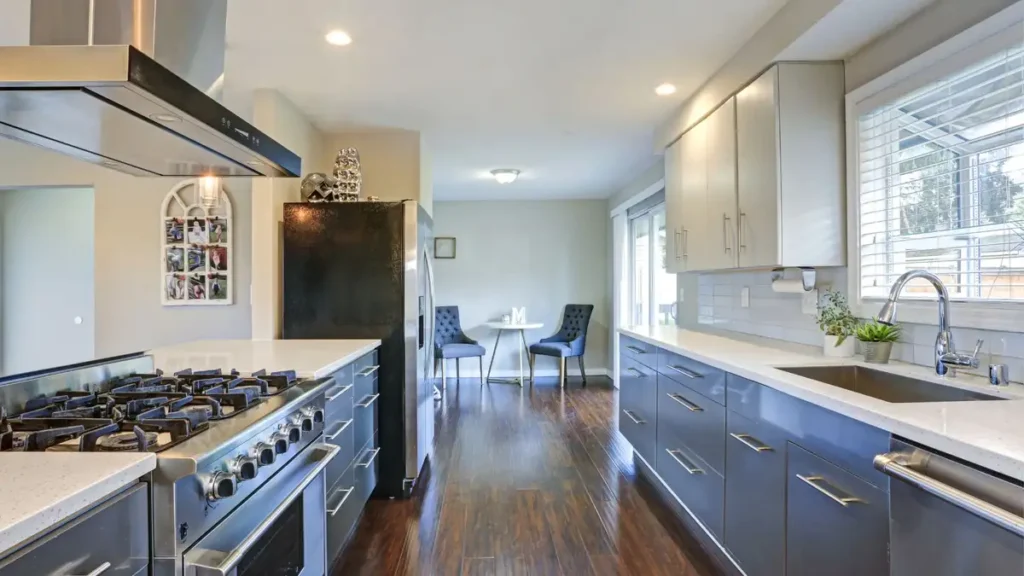
- Galley Kitchen: Featuring two parallel runs of cabinets, the galley layout is efficient for small spaces. Careful placement of appliances ensures that each zone is easily accessible without wasted steps.
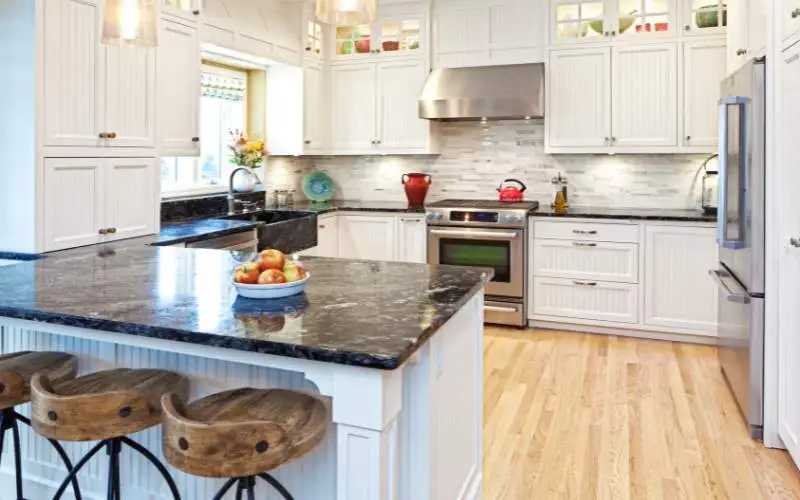
- Island Kitchen: Adding an island can create a central hub for prep, cooking, or even cleaning. Islands are flexible and can be customized with sinks, cooktops, or extra storage to support your preferred workflow.
When choosing a layout, consider how you move between tasks and where bottlenecks might occur. For more inspiration on optimizing small spaces, see kitchen remodeling space optimization tips.
Design Tips for Effective Cooking Zone Layouts
To get the most out of your kitchen remodel, keep these tips in mind when planning your zones:
- Group Related Tasks: Store knives, cutting boards, and mixing bowls near your prep area. Keep pots, pans, and utensils close to the stove and oven.
- Optimize Counter Space: Ensure you have enough clear workspace in each zone. An island or peninsula can provide extra surface area for prepping or serving.
- Consider Appliance Placement: Place the refrigerator near the prep zone for easy access to ingredients. Position the dishwasher close to the sink and dish storage for efficient cleanup.
- Allow for Traffic Flow: Make sure there’s enough space between zones so multiple people can work without bumping into each other. Walkways should be at least 36 inches wide.
- Use Lighting Strategically: Bright, focused lighting in prep and cooking areas improves safety and visibility. Under-cabinet and recessed lighting are popular choices for modern kitchens.
For more on creating a harmonious and visually balanced kitchen, explore kitchen remodeling visual balance tips.
Integrating Storage and Organization into Cooking Zones
Efficient storage is essential for maintaining a clutter-free kitchen. When planning your cooking zones, think about how to keep everything you need within arm’s reach. Consider these ideas:
- Pull-Out Drawers: Deep drawers for pots, pans, and lids make it easy to access cookware without digging through cabinets.
- Vertical Storage: Use wall-mounted racks or pegboards for utensils, spices, and frequently used tools.
- Dedicated Pantry Space: A well-organized pantry near the prep zone saves time during meal preparation.
- Corner Solutions: Lazy Susans and pull-out shelves maximize hard-to-reach corners.
Smart storage not only supports efficient cooking but also contributes to a clean and inviting kitchen atmosphere. For ideas on adding texture and visual interest to your remodel, check out kitchen remodeling texture design ideas.
Incorporating Modern Appliances and Fixtures
Upgrading appliances and fixtures can have a significant impact on the efficiency of your kitchen zones. Look for features that support your workflow, such as:
- Induction Cooktops: These heat up quickly and offer precise temperature control, making cooking faster and safer.
- Pull-Down Faucets: Flexible faucets make it easier to wash large pots and clean up after meals.
- Smart Ovens: Programmable settings and remote control options can save time and improve results.
- Drawer Dishwashers: These compact units fit seamlessly into the cleaning zone and are ideal for small households or secondary prep areas.
When selecting new appliances, consider both function and aesthetics. Stainless steel, matte finishes, and integrated designs can help create a cohesive look while supporting efficient cooking and cleaning routines.
Expert Resources for Kitchen Remodeling
Planning a remodel can be overwhelming, but there are many resources available to guide you through the process. For a comprehensive overview of the latest trends, materials, and planning tips, visit this detailed kitchen remodeling guide. This resource covers everything from budgeting and design to installation and finishing touches, helping you make informed decisions every step of the way.
FAQs About Efficient Kitchen Cooking Zone Layouts
What is the best way to organize kitchen zones for cooking?
The most effective approach is to group similar tasks together and keep related tools and ingredients within reach. Place prep surfaces near the refrigerator and pantry, keep pots and utensils close to the stove, and ensure the sink and dishwasher are easily accessible for cleaning. This minimizes unnecessary movement and speeds up meal preparation.
How can I make a small kitchen more efficient?
Focus on maximizing vertical storage, using multi-functional furniture, and choosing a layout that reduces traffic congestion. Galley and L-shaped kitchens are often ideal for small spaces. For more ideas, explore kitchen remodeling compact kitchen ideas tailored to limited square footage.
Are kitchen islands necessary for efficient cooking zones?
While not essential, islands can enhance workflow by providing extra prep space, storage, and seating. They are especially useful in open-plan kitchens, allowing for flexible zoning and easy interaction with family or guests. However, in smaller kitchens, a peninsula or movable cart may offer similar benefits without taking up as much room.
Conclusion
Creating an efficient kitchen starts with thoughtful planning and a clear understanding of your daily needs. By dividing your space into purposeful zones, selecting the right layout, and integrating smart storage and modern appliances, you can transform your kitchen into a functional and enjoyable space. Remember to tailor your design to your cooking habits and household routines for the best results. For further inspiration, consider exploring kitchen remodeling accent wall ideas that add personality and style to your new kitchen.


