As we venture into the age of sustainable living, passive house design trends are becoming pivotal in creating homes that offer comfort and environmental responsibility. For homeowners and real estate developers keen on integrating these trends into their projects, understanding the principles of passive house designs is crucial.
Understanding Passive House Standards
The passive house concept revolves around energy efficiency, comfort, and reducing ecological footprints. These homes maintain a steady indoor temperature throughout seasons, minimizing the need for conventional heating and cooling systems. The U.S. Green Building Council highlights how these sustainable strategies can significantly reduce energy consumption.
The Importance of Insulation
The backbone of any passive house is its insulation. By using high-quality insulating materials, energy loss is minimized, ensuring that homes remain warm in winter and cool in summer. This element is essential in meeting the rigorous standards of passive design.
Ventilation and Air Quality
What’s important is the role of ventilation systems in passive houses. These systems ensure a consistent flow of fresh air, contributing to the overall health and well-being of the occupants. The balance between air-tight construction and adequate ventilation is essential.
Strategic Window Placement
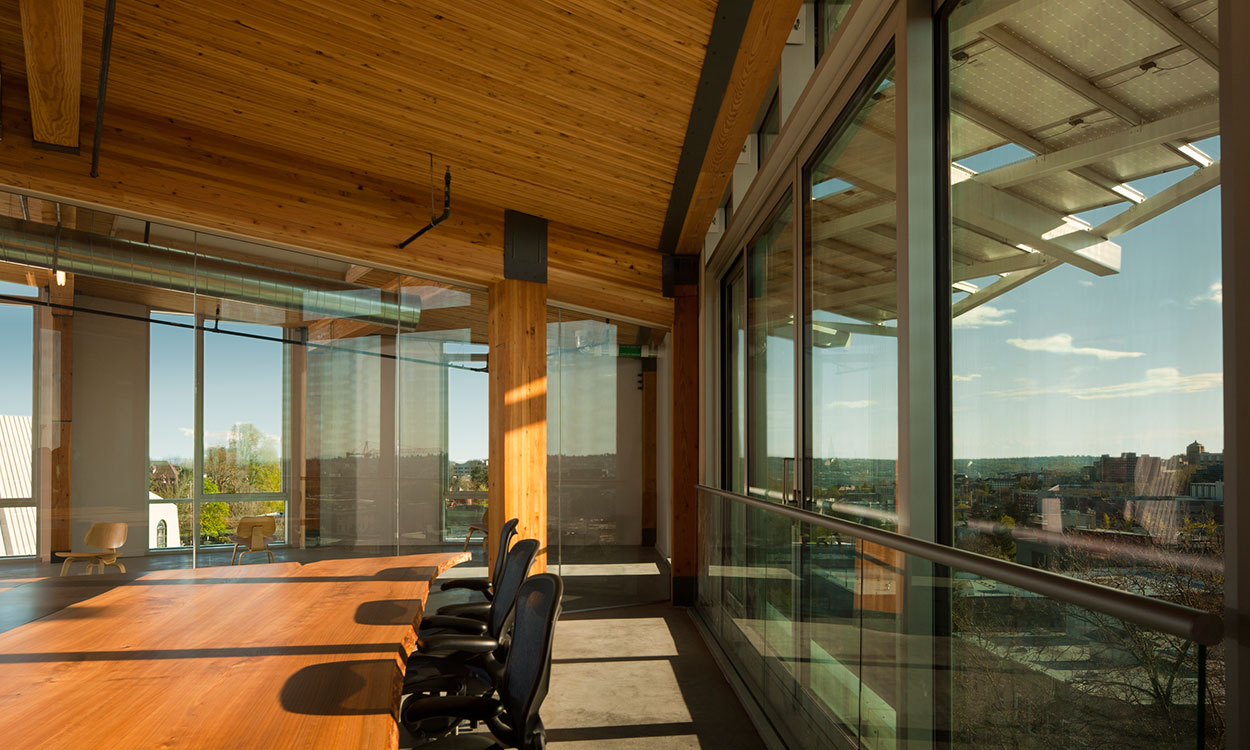
Placed thoughtfully, windows can greatly influence the energy efficiency of passive houses. Theyre designed to maximize natural sunlight and use solar gain to heat the home naturally. Here is an example of how strategic window placement can optimize energy use.
Sustainable Building Materials
Using sustainable materials not only supports environmental efforts but also ensures that structures are durable and efficient. These choices reduce the carbon footprint and can even enhance the aesthetics of a home.
Integrating Smart Technology
Smart home technology is becoming synonymous with passive design. These tech enhancements monitor and manage energy usage, further optimizing efficiency.
Interior Design Considerations
While passive design focuses on structure and systems, interior design plays a role in supporting these systems. From choosing thermal mass materials to selecting low-energy appliances, every aspect contributes to sustainability.
Non-Toxic and Natural Finishes
Using natural and non-toxic finishes not only contributes to the well-being of occupants but aligns with passive design principles by reducing indoor pollution.
Passive House in Urban Settings
With urban sprawl being a growing issue, integrating passive houses in cities poses a unique set of challenges. However, with careful planning, architects can achieve these eco-friendly designs in densely populated areas.
Future of Passive House Design
The future looks bright for passive house design with innovations and technologies constantly evolving. As more people and businesses recognize the value of sustainability, this trend will likely grow.
Conclusion
In understanding and adopting current passive house design trends, we take crucial steps towards a more sustainable future. These homes not only promise a reduction in energy costs but also ensure a healthier lifestyle for their inhabitants. For more information on sustainable practices in construction, visit an informative article on sustainable building.
Frequently Asked Questions
What qualifies a home as a passive house?
A home qualifies as a passive house by meeting specific energy efficiency standards, involving insulation, airtight construction, and optimized ventilation systems.
Can passive house designs be applied to existing buildings?
Yes, existing buildings can be retrofitted to meet passive house standards, although it may involve significantly more effort compared to new constructions.
Are passive houses more expensive to build?
Initially yes, they may require a higher investment, but the long-term energy savings and enhanced living quality often offset initial costs.
This article contains affiliate links. We may earn a commission at no extra cost to you.