
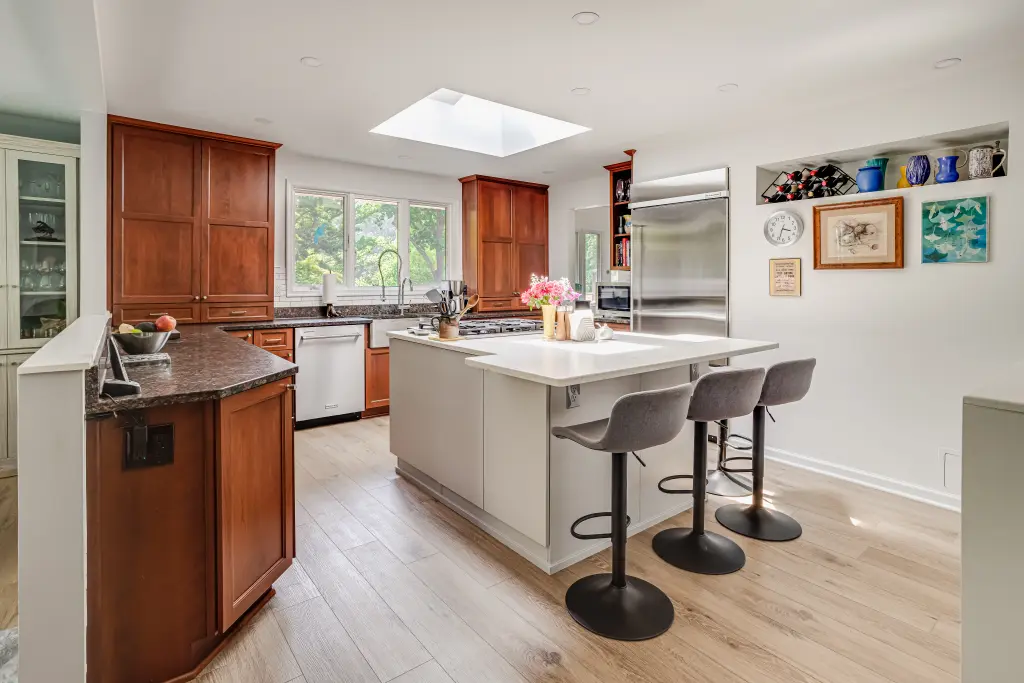

Classic kitchens never go out of style. For homeowners seeking timeless beauty, comfort, and enduring value, kitchen remodeling traditional style ideas offer a perfect blend of elegance and practicality. Whether you’re updating an older home or infusing a new build with vintage charm, traditional kitchen design brings warmth and sophistication to the heart of your home.
This guide explores the most effective ways to achieve a classic look, from cabinetry and color palettes to hardware and lighting. Along the way, you’ll find inspiration, practical tips, and expert advice to help you create a kitchen that feels both inviting and enduring. If you’re working with a compact space, you may also want to explore kitchen remodeling space optimization tips for small kitchens to maximize both style and function.
Defining Elements of Classic Kitchen Design
Traditional kitchens are rooted in historic design, drawing inspiration from English, French, and early American styles. The most successful kitchen remodeling traditional style ideas focus on these core elements:
- Natural materials: Wood, stone, and marble are staples for cabinetry, countertops, and flooring.
- Detailed cabinetry: Raised panel doors, decorative molding, and inset panels create a sense of craftsmanship.
- Neutral color palettes: Whites, creams, soft grays, and muted blues or greens keep the space light and timeless.
- Classic hardware: Brass, bronze, or polished nickel pulls and knobs add a refined touch.
- Symmetry and balance: Layouts are often centered around a focal point, such as a range or farmhouse sink.
These features work together to create a welcoming, functional kitchen that feels both luxurious and lived-in.
Cabinetry and Storage Solutions with Traditional Flair
Cabinetry is the foundation of any classic kitchen. For a truly timeless look, opt for all-wood cabinets with detailed profiles. Raised or recessed panel doors, glass-front uppers, and crown molding are hallmarks of traditional design. Consider incorporating a furniture-style island or hutch for added character.
Storage should be both practical and beautiful. Pull-out shelves, deep drawers, and built-in spice racks keep essentials organized while maintaining a cohesive appearance. For more inspiration on color choices, see these kitchen remodeling cabinet color ideas to refresh your space while staying true to classic style.
Countertops, Backsplashes, and Flooring for a Timeless Look
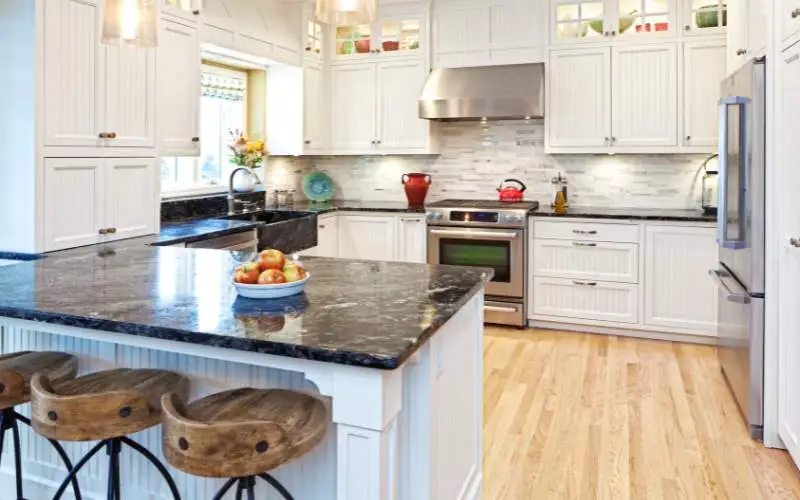
When selecting surfaces, natural materials are a top choice. Marble and granite countertops offer classic beauty, while butcher block adds warmth and texture. Subway tile backsplashes in white or soft hues are a staple of traditional kitchens, providing a clean, understated backdrop.
For flooring, hardwood is a perennial favorite. Wide-plank oak, maple, or walnut floors evoke a sense of history and durability. If you prefer tile, opt for natural stone or porcelain in neutral tones. Patterned tiles, such as herringbone or basketweave, can add subtle visual interest without overwhelming the space.
Lighting and Fixtures That Enhance Classic Appeal
Lighting plays a crucial role in creating an inviting atmosphere. Traditional kitchens benefit from a mix of ambient, task, and accent lighting. Consider pendant lights over the island, a chandelier above the dining area, and under-cabinet lighting for workspace illumination.
When choosing fixtures, look for classic shapes and finishes. Polished nickel, antique brass, or oil-rubbed bronze complement traditional cabinetry and hardware. For more ideas on achieving a harmonious design, explore these kitchen remodeling visual balance tips to ensure your lighting and fixtures work together seamlessly.
Hardware, Sinks, and Faucets: Finishing Touches for a Classic Kitchen
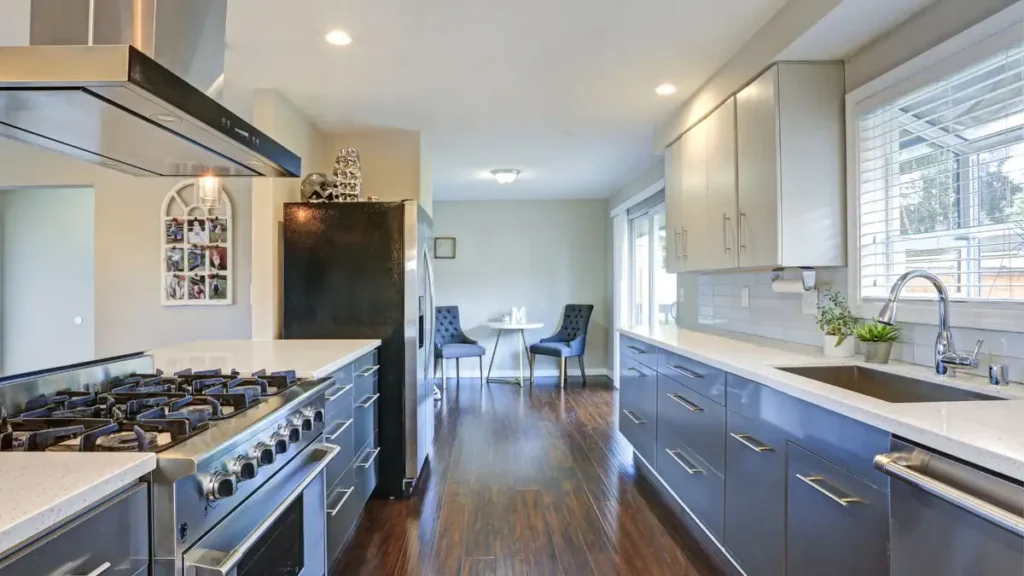
Details matter in traditional kitchen design. Cabinet hardware should feel substantial and coordinate with lighting and plumbing fixtures. Cup pulls, classic knobs, and decorative backplates are all excellent choices.
For sinks, farmhouse (apron-front) models in porcelain or fireclay are a signature element. Pair with a bridge or gooseneck faucet in a finish that matches your hardware. These touches reinforce the sense of history and craftsmanship that define classic kitchens.
Appliances and Modern Conveniences in a Traditional Setting
While traditional kitchens celebrate the past, they can still accommodate modern appliances. The key is to select models that blend in rather than stand out. Panel-ready refrigerators, integrated dishwashers, and slide-in ranges help maintain a cohesive look.
Stainless steel is widely accepted, but for a more seamless appearance, consider custom panels or retro-inspired designs. For more guidance on blending open shelving with classic design, see these kitchen remodeling open shelving ideas for modern kitchens, which can be adapted for traditional spaces as well.
Color Palettes and Decorative Accents for Traditional Kitchens
Color plays a significant role in classic kitchen design. Soft neutrals—such as ivory, taupe, and pale gray—create a serene backdrop, while muted blues or greens add subtle personality. Accents like beadboard paneling, wainscoting, and decorative corbels reinforce the traditional theme.
Display open shelving with curated collections of dishware, copper pots, or vintage canisters for a lived-in feel. Window treatments in natural fabrics, such as linen or cotton, soften the space and add warmth.
Expert Tips for a Successful Traditional Kitchen Remodel
- Plan for symmetry: Center key elements like the range or sink to create visual balance.
- Mix finishes thoughtfully: Pair warm metals with cool tones for depth and interest.
- Invest in quality: Durable materials and skilled craftsmanship ensure your kitchen stands the test of time.
- Layer lighting: Combine overhead, task, and accent lighting for a welcoming atmosphere.
- Stay true to your home’s character: Let the architecture guide your design choices for a cohesive result.
For a comprehensive overview of the remodeling process, consult this step-by-step kitchen remodeling guide from industry experts.
Frequently Asked Questions
What are the key features of a traditional kitchen?
Classic kitchens typically feature natural materials, detailed cabinetry, neutral color palettes, and timeless hardware. Elements like raised panel doors, crown molding, and farmhouse sinks are common. The overall effect is warm, inviting, and rooted in historic design.
How can I update my kitchen while keeping a traditional look?
Focus on subtle upgrades that respect the existing style. Replace outdated hardware with classic metal finishes, refresh cabinets with new paint or stain, and add traditional lighting fixtures. Incorporate modern appliances that blend in with cabinetry for a seamless appearance.
Are traditional kitchens suitable for small spaces?
Yes, classic design principles can be adapted for kitchens of any size. Use light colors to open up the space, opt for glass-front cabinets to add depth, and maximize storage with built-in solutions. For more ideas, check out kitchen remodeling space optimization tips for small kitchens.

