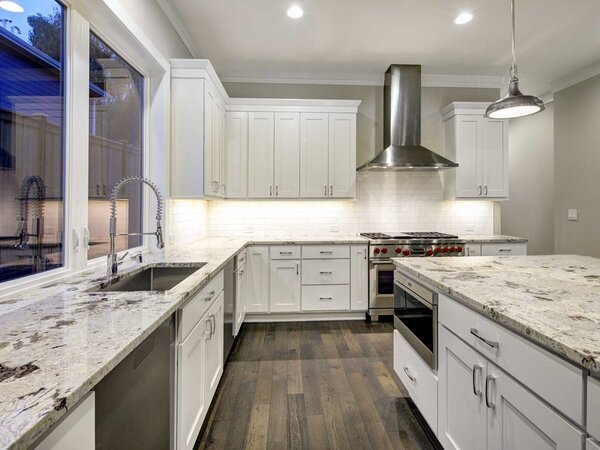

Creating a kitchen that feels both functional and visually harmonious requires more than just picking out attractive finishes. Kitchen remodeling design principles provide a framework for achieving a space that supports daily routines, encourages social interaction, and looks inviting. Whether you’re planning a full renovation or a simple refresh, understanding these core ideas will help you make choices that lead to a balanced, efficient, and beautiful kitchen.
From layout and workflow to lighting and material selection, every decision impacts the overall feel and usability of your kitchen. By focusing on balance, proportion, and thoughtful design, you can craft a space that meets your needs and stands the test of time. For those with compact spaces, you might find additional value in these kitchen remodeling space optimization tips that address unique challenges in smaller kitchens.
Understanding the Fundamentals of Kitchen Layout
One of the most important kitchen remodeling design principles is establishing an efficient layout. The classic “work triangle” concept—linking the sink, stove, and refrigerator—remains a useful guideline. This arrangement minimizes unnecessary movement and maximizes productivity, especially for those who cook frequently.
- Galley kitchens are ideal for smaller spaces, keeping everything within easy reach.
- L-shaped and U-shaped layouts offer more counter space and flexibility for larger kitchens.
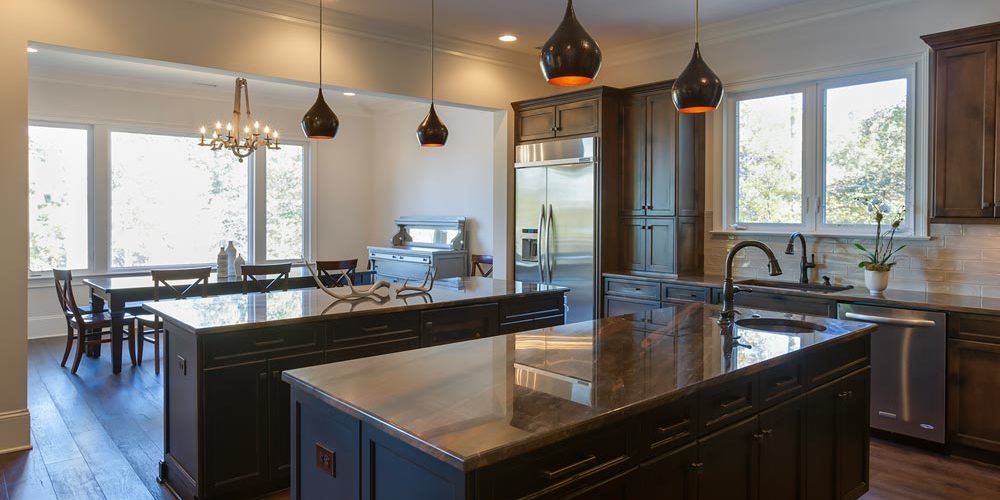
- Island layouts provide additional prep space and can serve as a social hub.
When planning your kitchen, consider how you move through the space. Avoid placing major appliances too far apart, and ensure there’s enough room for multiple people to work comfortably. For more inspiration on achieving a visually harmonious kitchen, explore these kitchen remodeling visual balance tips.
Balance and Proportion in Kitchen Design
Achieving a sense of balance is at the heart of effective kitchen design. This doesn’t mean everything needs to be perfectly symmetrical, but rather that the visual weight of elements is distributed evenly throughout the space. Here are some ways to create a balanced kitchen:
- Mix upper and lower cabinets to avoid a top-heavy look.
- Use open shelving strategically to break up solid blocks of cabinetry.
- Balance bold colors or patterns with neutral tones elsewhere in the room.
- Ensure lighting fixtures are proportionate to the size of the kitchen and island.
Proportion also matters when selecting appliances, fixtures, and furniture. Oversized pendant lights or a large island in a compact kitchen can overwhelm the space, while tiny hardware or fixtures may get lost in a larger room. For ideas on refreshing your cabinetry, check out these kitchen remodeling cabinet color ideas.
Material Selection and Visual Texture
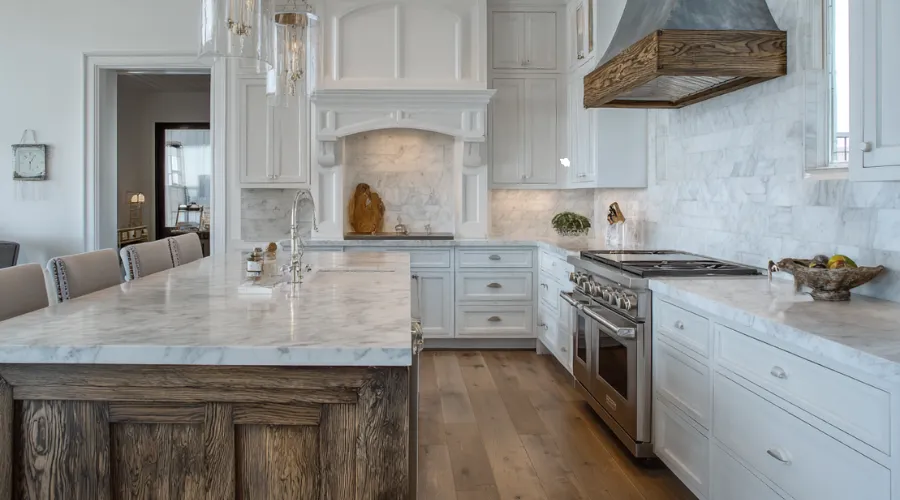
Choosing the right materials is another essential aspect of kitchen remodeling design principles. The combination of surfaces—such as countertops, cabinetry, flooring, and backsplashes—should create a cohesive look while adding depth and interest. Mixing textures, like matte cabinets with glossy tiles or natural wood with sleek metal, can prevent the space from feeling flat.
When selecting materials, consider durability and maintenance as well as appearance. Quartz countertops, for example, offer both beauty and resilience, while ceramic tile backsplashes are easy to clean and available in countless styles. For more ideas on adding tactile interest, see these kitchen remodeling texture design ideas.
Lighting Strategies for a Balanced Kitchen
Lighting plays a crucial role in both the functionality and ambiance of your kitchen. A well-lit space feels open and inviting, while poor lighting can make even the most beautiful kitchen feel unwelcoming. Layered lighting—combining ambient, task, and accent sources—ensures every area is properly illuminated.
- Ambient lighting provides general illumination, often from ceiling fixtures or recessed lights.
- Task lighting focuses on work areas like countertops, sinks, and stovetops. Under-cabinet lights are especially useful here.
- Accent lighting highlights architectural features, open shelves, or decorative elements.
Consider dimmer switches to adjust the mood and energy efficiency. The right lighting not only enhances safety and usability but also brings out the beauty of your materials and finishes.
Storage Solutions That Support Functionality
Effective storage is a cornerstone of a well-designed kitchen. Thoughtful organization keeps countertops clear and ensures that everything has a place. Consider these strategies for maximizing storage while maintaining a balanced look:
- Pull-out shelves and deep drawers for pots, pans, and pantry items
- Vertical storage for baking sheets and cutting boards
- Built-in organizers for utensils and spices
- Appliance garages to keep small appliances out of sight
Custom cabinetry can be tailored to your specific needs, but even standard cabinets can be optimized with the right inserts and accessories. For guidance on selecting hardware that complements your design, review this kitchen remodeling hardware style guide.
Color, Contrast, and Cohesion
Color choices set the tone for your kitchen and influence how spacious or cozy it feels. Lighter hues can make a small kitchen feel larger, while darker shades add drama and sophistication. Using a consistent color palette throughout the space helps tie everything together, but don’t be afraid to introduce contrast with accent walls, backsplashes, or island cabinetry.
To maintain cohesion, repeat key colors or materials in different areas. For example, match the finish of your cabinet hardware to your lighting fixtures, or echo a backsplash color in your countertop accessories. This repetition creates a sense of unity and flow.
Planning and Budgeting for a Successful Remodel
Before starting your renovation, it’s important to set a realistic budget and timeline. Prioritize the elements that will have the greatest impact on your daily life and the overall feel of your kitchen. Consider consulting with a professional designer or contractor to help you navigate choices and avoid costly mistakes. For a detailed breakdown of the remodeling process, see this step-by-step guide to kitchen remodeling planning, budgeting, and executing your dream kitchen.
Remember, investing in quality materials and thoughtful design pays off in the long run. A well-balanced kitchen not only improves your daily routines but also adds value to your home.
Frequently Asked Questions
What is the most important principle in kitchen design?
The most crucial principle is achieving a balance between functionality and aesthetics. This means creating a layout that supports efficient workflow while ensuring the space feels visually harmonious and inviting.
How do I choose the right color scheme for my kitchen?
Start by considering the size and natural light in your kitchen. Lighter colors can open up small spaces, while darker tones add depth. Use a consistent palette and introduce contrast through accents or feature walls for a cohesive yet dynamic look.
What are some common mistakes to avoid in kitchen remodeling?
Common pitfalls include neglecting proper lighting, overcrowding the space with oversized furniture or appliances, and skimping on storage solutions. Always plan your layout carefully and invest in quality materials for long-lasting results.