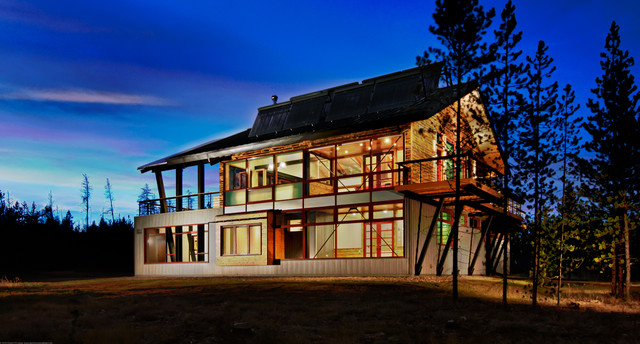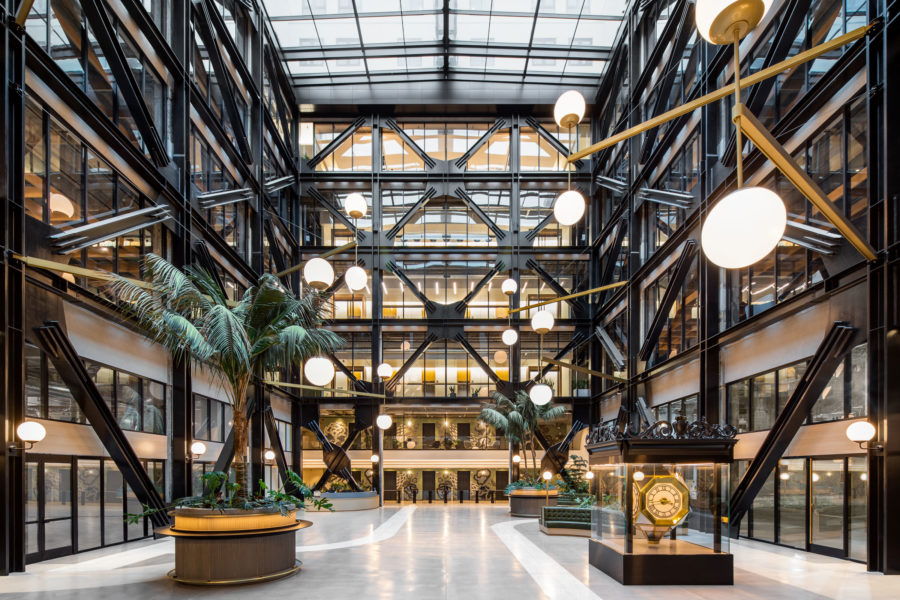

LEED stands for Leadership in Energy and Environmental Design, a widely-used green building certification program that recognizes best-in-class building strategies and practices. When considering a LEED certification, it’s important to weigh the pros and cons of this credential and understand how it may impact your project.
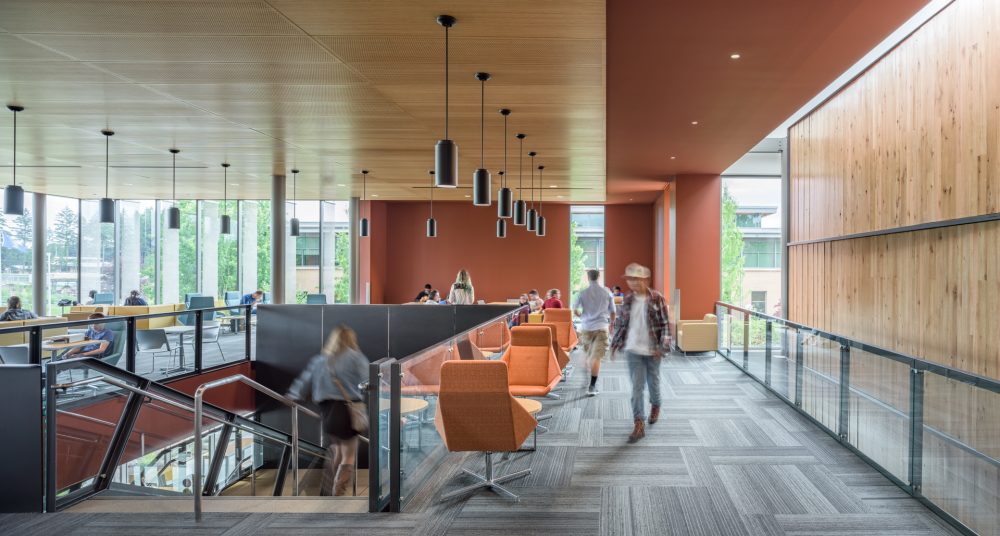
Understanding LEED Certification
The LEED certification is a globally recognized symbol of excellence in green buildings. Developed by the U.S. Green Building Council (USGBC), it provides a framework for healthy, efficient, and cost-saving green buildings. Before diving into the advantages and disadvantages, let’s explore what this certification entails.
What is LEED?
LEED is a point-based system that measures a building’s performance across several aspects, including energy efficiency, water usage, air quality, and use of sustainable materials. The rating system has four levels: Certified, Silver, Gold, and Platinum, each reflecting different degrees of sustainability achievement.
How Does It Work?
To achieve LEED certification, building projects must earn points across various categories such as location and transportation, water efficiency, energy and atmosphere, materials and resources, and indoor environmental quality. A certain number of points is required for each certification level.
The Pros of LEED Certification
1. Environmental Benefits
LEED-certified buildings help reduce the environmental impact by promoting sustainable practices. These buildings conserve natural resources, improve air and water quality, and contribute to a healthier ecosystem.
2. Energy Efficiency
One of the main attractions of LEED certification is the emphasis on energy-efficient practices. By using less energy, buildings save on utility costs and reduce greenhouse gas emissions, contributing to a more sustainable future.
3. Increased Property Value
LEED-certified properties often have a higher market value compared to non-certified buildings. This is because they are designed to lower utility costs and provide healthier environments, making them attractive to potential buyers and renters.
4. Healthier Indoor Environments
By promoting good air quality, natural lighting, and minimal exposure to harmful chemicals, LEED buildings foster a healthier indoor environment. This can lead to improved occupant health and productivity.
The Cons of LEED Certification
1. High Initial Costs
A significant drawback of pursuing LEED certification is the potential high initial investment. This includes costs related to registration, certification fees, and the expenses involved in designing and constructing a LEED-compliant building.
2. Lengthy Process
The LEED certification process can be lengthy and complex, requiring meticulous documentation and ongoing monitoring to ensure compliance with the standards.
3. Strict Requirements
LEED certification has strict standards that must be met across multiple criteria. This can sometimes limit design flexibility and require additional resources to achieve the necessary points.
Conclusion
Understanding the pros and cons of LEED certification is crucial for homeowners and real estate developers considering this potentially rewarding endeavor. While there are upfront costs and detailed processes involved, the long-term benefits of energy savings, environmental stewardship, and increased property value are significant. For more insights into sustainable building practices, visit Bruce Massey Construction’s sustainable tips.

Frequently Asked Questions
What are the main benefits of LEED certification?
LEED certification provides numerous benefits such as reduced energy and water usage, improved indoor air quality, and increased property value.
Is achieving LEED certification costly?
While the initial cost can be high due to registration fees and compliance requirements, the long-term energy savings and environmental benefits often outweigh these expenses.
How long does the LEED certification process take?
The duration of the process varies depending on the project size and complexity, but it usually takes several months to complete.
This article contains affiliate links. We may earn a commission at no extra cost to you.