
Designing a kitchen that is both beautiful and functional requires thoughtful planning, especially when it comes to organizing cleaning zones. The right approach to kitchen remodeling cleaning zone layout ideas can transform daily routines, making chores more efficient and your space more enjoyable. Whether you’re starting from scratch or updating an existing kitchen, focusing on cleaning zones ensures that your kitchen remains practical, organized, and easy to maintain.
In this article, we’ll explore how to create effective cleaning zones, discuss layout strategies, and share expert tips for a streamlined kitchen. For those interested in broader renovation strategies, you might also find value in our open concept kitchen remodeling ideas guide, which covers ways to maximize space and functionality.
Understanding Cleaning Zones in Kitchen Design
A cleaning zone is a dedicated area in your kitchen where cleaning tasks are centralized. This typically includes the sink, dishwasher, trash and recycling bins, and storage for cleaning supplies. By grouping these elements together, you minimize unnecessary movement and make it easier to keep your kitchen tidy.
The concept of zoning is rooted in the classic “kitchen work triangle,” but modern layouts often go further by creating specialized zones for prep, cooking, storage, and cleaning. Focusing on cleaning zones can help you reduce clutter, improve workflow, and ensure that everything you need is within easy reach.
Key Elements of an Efficient Cleaning Zone
When planning your kitchen remodel, consider these essential components for an effective cleaning area:
- Sink Placement: The sink is the heart of the cleaning zone. Position it near the dishwasher and trash to streamline rinsing, loading, and waste disposal.
- Dishwasher Location: Place the dishwasher adjacent to the sink to make transferring dishes easy and reduce drips on the floor.
- Trash and Recycling: Install pull-out bins close to the sink and prep areas. This encourages quick disposal of scraps and keeps counters clear.
- Cleaning Supply Storage: Use under-sink cabinets or nearby drawers for sponges, dish soap, and cleaning sprays. Consider pull-out organizers for better access.
- Counter Space: Allow for a landing area next to the sink for stacking dirty dishes or drying clean ones.
Popular Kitchen Layouts for Cleaning Zone Optimization
The overall shape of your kitchen influences how you arrange cleaning zones. Here are some common layouts and how they can be adapted for cleaning efficiency:
Galley Kitchens
In a galley kitchen, appliances and sinks are typically placed along two parallel walls. Position the sink and dishwasher on the same side, with trash and cleaning storage nearby. This keeps the workflow linear and efficient.
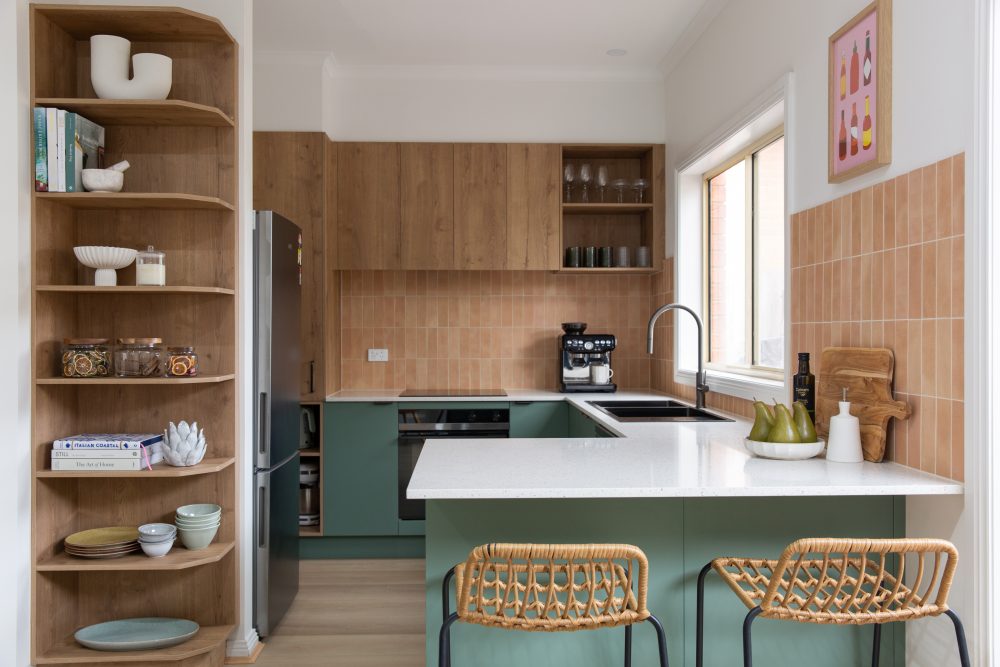
L-Shaped and U-Shaped Kitchens
These layouts offer flexibility for zoning. Place the sink at the intersection of the “L” or the center of the “U,” with the dishwasher and trash on either side. This arrangement allows for easy movement between prepping, cooking, and cleaning.
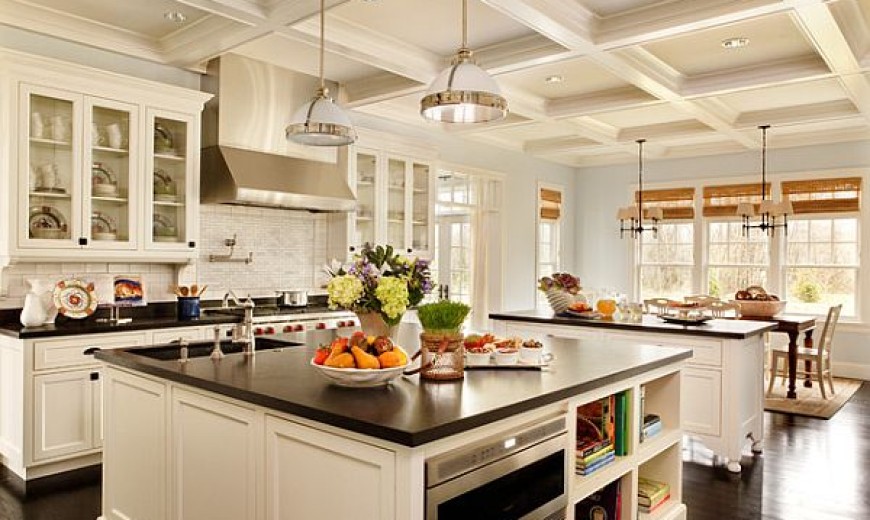
Open Concept and Island Kitchens
For open layouts, consider integrating the sink and dishwasher into the island. This keeps cleaning tasks central and allows for social interaction while working. For more inspiration on maximizing open layouts, see our open concept kitchen remodeling ideas resource.

Smart Storage Solutions for Cleaning Supplies
Keeping cleaning products organized and accessible is crucial for maintaining a tidy kitchen. Here are some storage ideas to enhance your cleaning zone:
- Pull-Out Drawers: Install pull-out trays under the sink for easy access to sprays, sponges, and brushes.
- Vertical Organizers: Use vertical racks for storing dish soap, scrubbers, and towels, maximizing cabinet space.
- Dedicated Caddies: Portable caddies let you carry supplies around the kitchen or to other rooms as needed.
- Hooks and Rails: Mount hooks inside cabinet doors or on walls to hang gloves, towels, or brushes.
- Labeling: Clearly label bins and containers to keep everything in its place and make restocking simple.
Lighting and Fixtures to Enhance the Cleaning Area
Good lighting is essential for any cleaning zone. Install bright, focused lighting above the sink and dishwasher to ensure you can see what you’re doing. Consider recessed lights or under-cabinet fixtures for task lighting. Upgrading to a high-quality faucet can also improve efficiency and comfort. For recommendations, explore our picks for the best kitchen faucet and best kitchen recessed lights above.
Tips for a Practical and Hygienic Kitchen Cleaning Zone
- Choose easy-to-clean materials for countertops and backsplashes, such as quartz or tile.
- Opt for a deep, single-basin sink to handle large pots and pans.
- Install a pull-out trash bin with a lid to contain odors and keep pests away.
- Keep a small compost bin near the prep area for food scraps.
- Use antimicrobial surfaces or finishes where possible to reduce bacteria buildup.
Common Mistakes to Avoid in Cleaning Zone Planning
Even with the best intentions, it’s easy to overlook certain details when designing a cleaning zone. Here are some pitfalls to watch out for:
- Placing the dishwasher too far from the sink, making loading inconvenient.
- Insufficient counter space for stacking dirty or clean dishes.
- Forgetting to include adequate storage for cleaning supplies.
- Neglecting ventilation, which can lead to lingering odors.
- Using materials that stain or scratch easily in high-use areas.
For more advice on what to avoid, check out our guide on kitchen remodeling mistakes to avoid.
Planning Your Remodel for Maximum Efficiency
Start by mapping out your kitchen’s workflow. Identify where you naturally move between prepping, cooking, and cleaning. Use this information to position your cleaning zone for minimal backtracking and easy access to other zones. If you’re working with a designer or contractor, communicate your priorities early in the process.
For a comprehensive approach to planning, refer to our kitchen remodeling planning checklist, which covers all the steps for a smooth project. You can also find a step-by-step guide to kitchen renovation planning for additional insights.
Frequently Asked Questions
What is the most important element in a kitchen cleaning zone?
The sink is typically the central feature, as it’s used for washing dishes, produce, and hands. Placing the dishwasher and trash nearby further enhances efficiency.
How can I make my cleaning zone more hygienic?
Use easy-to-clean surfaces, install a covered trash bin, and store cleaning supplies in an organized manner. Consider antimicrobial finishes for high-touch areas.
Should the cleaning zone be separate from prep and cooking zones?
While some overlap is natural, it’s best to keep the cleaning area distinct to avoid cross-contamination and streamline workflow. Positioning cleaning elements together but near prep zones can offer the best of both worlds.
What are some budget-friendly ways to improve my cleaning zone?
Simple upgrades like adding pull-out bins, under-sink organizers, and better lighting can make a big difference. For more affordable ideas, see our budget kitchen remodeling ideas.
Conclusion
Thoughtful planning of your kitchen’s cleaning zone can greatly improve daily routines and overall kitchen satisfaction. By focusing on layout, storage, lighting, and workflow, you can create a space that is both practical and pleasant to use. Remember to consider your unique needs and habits, and don’t hesitate to consult professionals or use checklists to guide your project. With the right approach, your kitchen will be easier to clean, more organized, and a joy to use every day.