
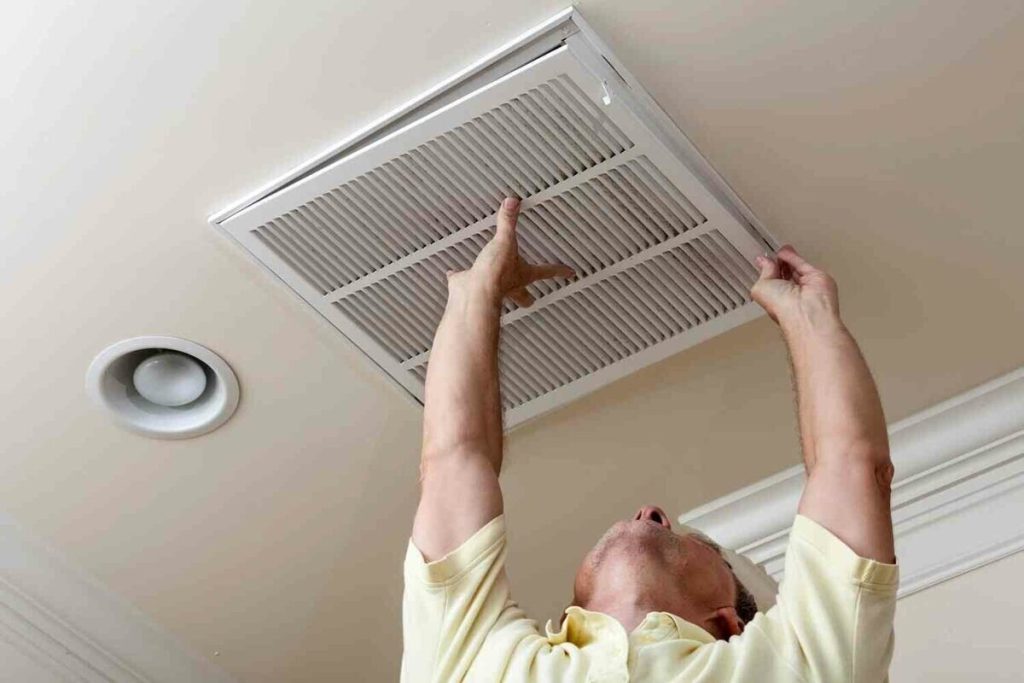

Understanding the difference between supply and return vents is crucial for maintaining an efficient HVAC system. These components play distinct roles in heating, ventilation, and air conditioning, ensuring that your home remains comfortable year-round. By learning how each type of vent functions, you can better manage your indoor climate and potentially reduce energy costs.
Supply vents are responsible for delivering conditioned air from the HVAC system into your living spaces. In contrast, return vents draw air from the rooms back into the system for reconditioning. This cycle is essential for maintaining a balanced and efficient airflow throughout your home.
For more insights on home ventilation, you can explore how home ventilation systems work to enhance your understanding of HVAC operations.
Additionally, if you’re considering remodeling projects that might affect your home’s airflow, check out these open concept kitchen remodeling ideas for inspiration.
The Role of Supply Vents
Supply vents are integral to distributing air throughout your home. They are typically located on floors, walls, or ceilings and are connected to the ductwork that carries air from the HVAC system. These vents can be adjusted to control the direction and volume of airflow, allowing for customized comfort in different rooms.
Benefits of Properly Functioning Supply Vents
- Improved Air Distribution: Ensures even temperature distribution across all rooms.
- Energy Efficiency: Helps reduce energy consumption by optimizing airflow.
- Enhanced Comfort: Provides consistent air delivery for a comfortable living environment.
Understanding Return Vents
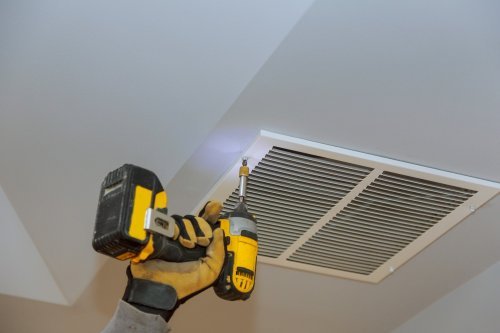
Return vents play a crucial role in maintaining indoor air quality and system efficiency. These vents pull air from the rooms back into the HVAC system, where it is filtered, conditioned, and recirculated. Proper placement and maintenance of return vents are vital for optimal system performance.
Advantages of Efficient Return Vents
- Improved Air Quality: Helps remove dust, allergens, and pollutants from the air.
- System Efficiency: Ensures the HVAC system operates smoothly by maintaining balanced airflow.
- Reduced Wear and Tear: Minimizes strain on the HVAC system, extending its lifespan.
Maintaining Your HVAC Vents
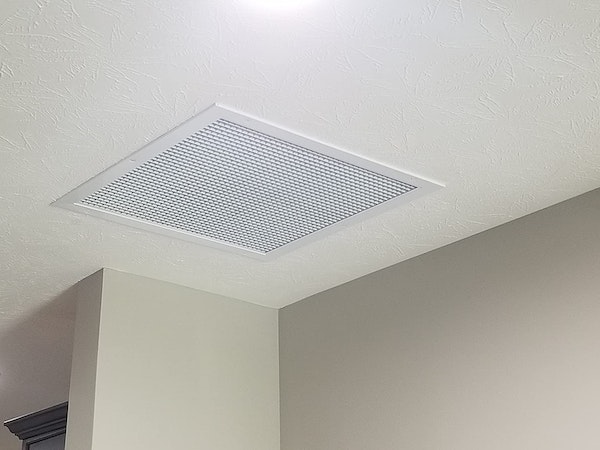
Regular maintenance of both supply and return vents is essential to ensure the efficiency and longevity of your HVAC system. Here are some tips to keep your vents in top condition:
- Regular Cleaning: Dust and vacuum vents periodically to prevent blockages.
- Check for Obstructions: Ensure furniture and other objects do not block airflow.
- Inspect for Damage: Regularly check vents for signs of wear and repair as needed.
FAQs
How Can I Identify Supply and Return Vents?
Supply vents typically have adjustable louvers and are located on walls, floors, or ceilings. Return vents are larger, often without adjustable louvers, and are usually found on walls.
Why Is Balanced Airflow Important?
Balanced airflow ensures that your HVAC system operates efficiently, providing consistent temperatures and reducing energy costs.
Can I Close Some Vents to Save Energy?
Closing vents can disrupt airflow and increase pressure in the ductwork, potentially leading to system inefficiency and damage. It’s best to keep all vents open and unobstructed.

