
Choosing the right tile pattern can transform a kitchen from ordinary to stunning. With so many options available, understanding how tile layouts impact the look and feel of a modern kitchen is essential. This kitchen remodeling tile pattern guide will help you navigate popular patterns, materials, and design strategies to create a space that’s both functional and stylish.
Whether you’re updating a backsplash, flooring, or an accent wall, the right tile arrangement can enhance visual interest, balance proportions, and reflect your personal taste. Before diving into specific patterns, it’s important to consider the overall style of your kitchen, your color palette, and how tile choices interact with cabinetry, lighting, and hardware. For more on achieving a cohesive look, check out these kitchen remodeling visual balance tips that ensure harmony in your design.
Understanding Tile Patterns for Contemporary Kitchens
Modern kitchen design often emphasizes clean lines, open spaces, and a blend of textures. The tile pattern you select plays a significant role in achieving these goals. Some patterns create a sense of movement, while others offer subtle structure or bold visual impact. Here are some of the most popular tile layouts for today’s kitchens:
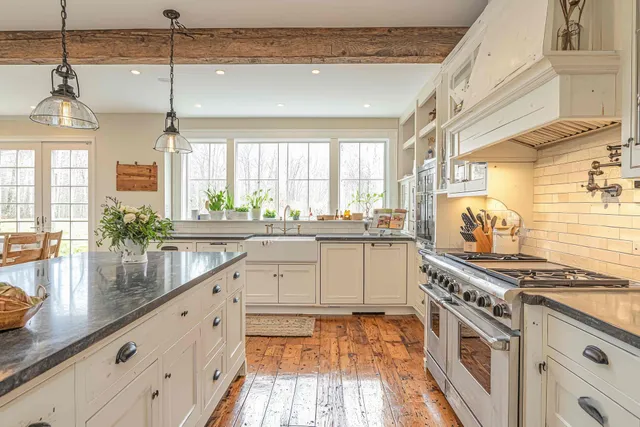
- Subway (Brick) Pattern: Classic and versatile, this staggered layout works well for backsplashes and walls, offering timeless appeal.
- Herringbone: Tiles are laid in a zigzag pattern, adding dynamic energy and drawing the eye along the surface.
- Chevron: Similar to herringbone but with angled ends, chevron creates a seamless, modern V-shaped effect.
- Stacked (Grid) Pattern: Tiles are aligned in straight rows and columns, perfect for a minimalist or contemporary look.
- Basketweave and Pinwheel: These patterns add texture and interest, often used for floors or accent areas.
When choosing a pattern, consider the size of your kitchen and the scale of your tiles. Large-format tiles in a stacked pattern can make a small kitchen appear more spacious, while intricate layouts like herringbone work well as feature elements.
Tile Materials and Their Impact on Pattern
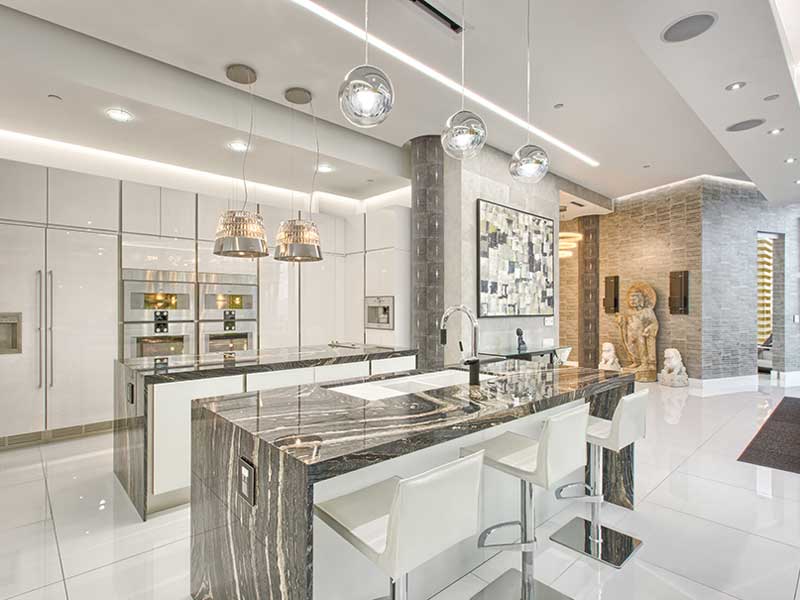
The material you select—ceramic, porcelain, glass, or natural stone—affects both the practicality and the appearance of your tile pattern. Glossy glass tiles, for example, can enhance light and make a space feel brighter, while matte stone tiles add warmth and texture. The finish and color of your tiles can either highlight or soften the pattern you choose.
For homeowners interested in a seamless, modern aesthetic, large porcelain slabs with minimal grout lines are increasingly popular. On the other hand, mixing materials—such as combining glass and stone—can create a custom look that stands out.
How to Select the Right Tile Layout for Your Space
Choosing the best tile arrangement involves more than just aesthetics. Here are key factors to consider when using this kitchen remodeling tile pattern guide for your next renovation:
- Room Size: Large patterns can overwhelm small kitchens, while small tiles may look too busy in expansive spaces.
- Lighting: Reflective tiles and lighter colors can brighten up darker kitchens. Pattern direction can also guide the eye toward natural light sources.
- Maintenance: Some patterns, like intricate mosaics, have more grout lines and may require more upkeep. Consider ease of cleaning, especially for backsplashes and floors.
- Budget: Complex patterns and specialty tiles may increase installation costs. Simpler layouts can be more budget-friendly while still looking modern.
For more inspiration and practical advice on integrating tile patterns with other kitchen elements, explore these kitchen remodeling hardware style guide resources.
Combining Patterns and Colors for a Modern Look
Modern kitchens often feature a mix of textures and tones. Pairing a bold herringbone backsplash with a neutral stacked floor tile can create visual balance without overwhelming the space. Alternatively, using the same tile in different patterns—such as subway on the walls and chevron on the floor—adds subtle interest while maintaining cohesion.
Don’t be afraid to experiment with grout color. Contrasting grout can emphasize the geometry of your pattern, while matching grout creates a more seamless look. If you’re aiming for a minimalist style, stick to a limited color palette and let the pattern shine through texture and finish.
Expert Tips for a Successful Tile Installation
Proper installation is just as important as choosing the right pattern. Here are a few expert recommendations to ensure your kitchen tile project goes smoothly:
- Plan Your Layout: Before installing, lay out tiles dry to visualize the pattern and make adjustments as needed.
- Use Quality Materials: Invest in high-quality adhesive, grout, and tiles to ensure durability and longevity.
- Hire a Professional: For complex patterns like chevron or herringbone, professional installation can deliver precise results and minimize waste.
- Consider Functionality: Choose slip-resistant tiles for flooring and easy-to-clean surfaces for backsplashes.
For more functional design strategies, see these kitchen remodeling functional design tips that help make everyday use easier and more enjoyable.
Inspiration and Trends in Modern Kitchen Tile Patterns
Current trends in kitchen design include bold geometric patterns, monochromatic palettes, and creative use of texture. Matte finishes, large-format tiles, and mixed materials are increasingly popular in contemporary spaces. For a curated list of trending ideas, explore this collection of top kitchen remodel ideas from industry experts.
Remember, the best tile pattern is one that reflects your style and complements the rest of your kitchen. Don’t hesitate to mix and match patterns in different zones, such as pairing a dramatic backsplash with understated floor tiles. The key is to maintain a sense of balance and cohesion throughout the space.
Frequently Asked Questions
What is the most popular tile pattern for modern kitchens?
The subway (brick) pattern remains a favorite for backsplashes due to its timeless appeal and versatility. However, herringbone and stacked layouts are gaining popularity for their contemporary look and ability to add visual interest.
How do I choose the right tile size for my kitchen?
Consider the size of your kitchen and the area you’re tiling. Large-format tiles can make small spaces feel bigger, while smaller tiles or mosaics are ideal for detailed accent areas. Always balance tile size with the overall scale of your kitchen design.
Can I mix different tile patterns in one kitchen?
Yes, mixing tile patterns can create a dynamic and personalized look. For best results, combine patterns with a common color palette or material, and use one pattern as a focal point while keeping others more subtle.
By following this kitchen remodeling tile pattern guide, you’ll be well-equipped to select and implement a tile layout that enhances both the beauty and functionality of your modern kitchen. Thoughtful planning, quality materials, and a clear vision will ensure your renovation is a success.