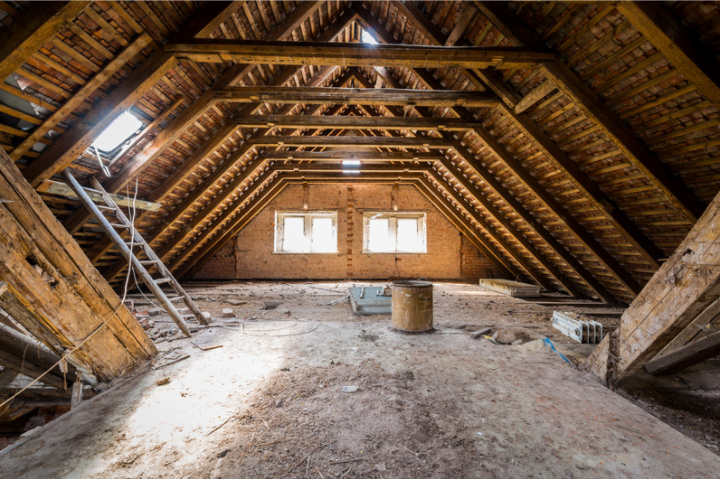

Ensuring the structural safety of your attic is crucial for the overall integrity of your home. An attic structural safety inspection is not just about maintaining your propertys value but also about ensuring the safety of all those who live under your roof. In this guide, we will explore the key aspects of conducting an effective attic inspection, highlighting what homeowners and real estate developers need to consider.
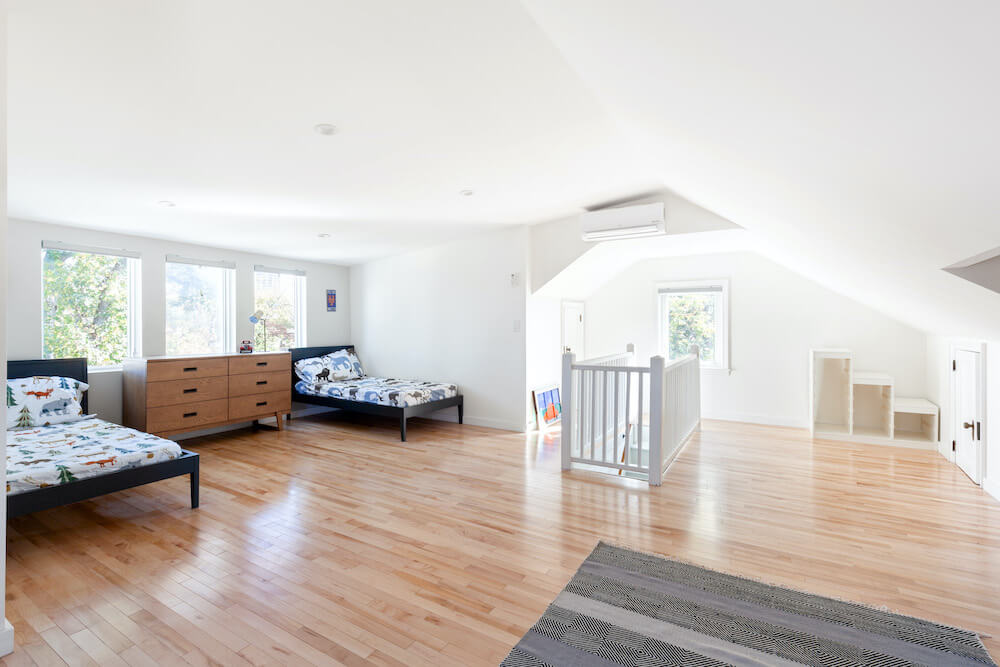
Understanding the Importance of Attic Inspection
Before diving into the details, it’s important to understand why an attic structural safety inspection is necessary. The attic is a critical part of your homes framework. It supports the roof and contributes to the building’s stability. Ignoring potential issues could lead to significant structural damage and costly repairs.
Common Attic Problems
Some common problems that can be identified during an attic inspection include:
- Water leaks and moisture buildup
- Pest infestations
- Insulation deterioration
- Structural damage to beams and trusses
Each of these issues can compromise the structural integrity of your home if not addressed promptly.
Conducting a Thorough Attic Inspection
When conducting an attic structural safety inspection, it is crucial to follow a systematic approach to ensure no detail is overlooked. Here are the steps you should follow:
Step 1: Inspect for Water Damage
Water damage is one of the most common issues found in attics. Look for signs such as water stains, mold, or mildew on the ceiling and walls. Check for leaks around roof vents, chimneys, and skylights. Moisture can weaken the structural components of your attic, leading to severe damage over time.
Step 2: Check for Pest Infestations
Attics can often become a haven for pests like rodents and insects. Look for droppings, nests, or gnaw marks on wood and wires. Pests can cause significant damage to insulation and structural elements, leading to costly repairs.
Step 3: Evaluate Insulation Condition
Insulation plays a vital role in maintaining energy efficiency and comfort in your home. During the inspection, check for sagging, dampness, or any signs of mold in the insulation. Good insulation is key to preventing heat loss and minimizing energy bills.
Step 4: Examine Structural Components
Pay close attention to the structural components of your attic, such as beams and trusses. Look for cracks, splits, or any signs of stress. These elements support the weight of your roof, and any damage could lead to a collapse.
Tools and Equipment Needed
For a comprehensive attic inspection, you will need the following tools:
- Flashlight
- Moisture meter
- Camera or smartphone for documentation
- Protective gear such as gloves and a mask
These tools will help you conduct a thorough inspection and document any issues you find.
When to Call a Professional
While a DIY inspection can identify many issues, some problems require the expertise of a professional. If you notice significant structural damage or widespread mold, its best to hire a licensed inspector or contractor. They have the experience and tools to perform a detailed inspection and recommend appropriate repairs.
Maintaining a Safe and Secure Attic
Regular attic maintenance is key to preventing structural issues. Here are some tips to keep your attic in top condition:
- Inspect your attic at least twice a year
- Keep the area clean and free of clutter
- Ensure proper ventilation to prevent moisture buildup
By following these tips, you can maintain a safe and secure attic, protecting your home and family.

FAQs About Attic Structural Safety Inspection
What should I look for in an attic inspection?
During an attic inspection, focus on identifying signs of water damage, pest infestations, insulation issues, and structural damage to beams and trusses.
How often should I inspect my attic?
It is recommended to conduct an attic inspection at least twice a year, preferably in the spring and fall.
Can I perform an attic inspection myself?
While homeowners can perform basic inspections, hiring a professional ensures a more thorough evaluation, especially when dealing with potential structural issues.
For more detailed information on attic safety and maintenance, you can visit U.S. News Real Estate or check out insulation tips and organization ideas on our site.
This article contains affiliate links. We may earn a commission at no extra cost to you.