
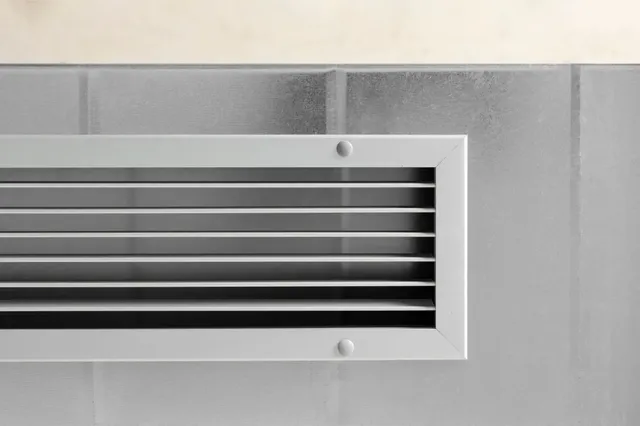

Proper management of airflow paths is a foundational principle in building design, HVAC systems, and indoor air quality. Whether in homes, offices, or industrial spaces, the way air moves through a structure directly impacts comfort, health, and energy efficiency. Understanding the importance of airflow paths can help homeowners, builders, and renovators create healthier and more efficient environments.
From reducing allergens to preventing moisture buildup, the strategic planning of air movement is crucial. For those considering home improvements, even small changes—like updating vent covers or installing exhaust fans—can make a significant difference. If you’re planning a kitchen upgrade, you may also want to explore kitchen remodeling visual balance tips to ensure both style and function work together.
Why Effective Airflow Paths Matter in Buildings
The movement of air within a building is not just about comfort—it’s about maintaining a healthy indoor environment. Well-designed airflow routes help remove contaminants, control humidity, and distribute conditioned air evenly. Without clear and unobstructed air movement, rooms can develop hot or cold spots, stale air, and even mold growth.
In modern construction, special attention is given to how air enters, moves through, and exits a space. This is especially important in areas like kitchens and bathrooms, where moisture and odors can accumulate quickly. By ensuring air can travel freely, you can reduce the risk of structural damage and improve overall well-being for occupants.
Key Benefits of Optimized Air Movement
- Improved Indoor Air Quality: Proper air circulation helps remove dust, allergens, and volatile organic compounds (VOCs), leading to healthier breathing conditions.
- Energy Efficiency: When air moves efficiently, heating and cooling systems don’t have to work as hard, resulting in lower energy bills and reduced environmental impact.
- Moisture Control: Effective airflow paths prevent condensation and dampness, which can cause mold and mildew.
- Consistent Comfort: Balanced air distribution eliminates drafts and uneven temperatures, making every room more comfortable.
Designing and Maintaining Airflow Paths in Your Home
Creating effective air movement starts with understanding how air naturally flows through your space. Here are some practical steps to ensure optimal results:
- Identify Intake and Exhaust Points: Every building needs both entry and exit points for air. Common intake sources include windows and vents, while exhaust is typically managed by fans or ducts.
- Keep Vents and Ducts Clear: Blocked or dirty vents can severely restrict air movement. Regular cleaning and maintenance are essential.
- Use the Right Equipment: Installing devices like whole house fans, air filtration kits, or ceiling exhaust fans can dramatically improve air movement and quality.
- Seal Unwanted Leaks: While some air exchange is necessary, uncontrolled leaks (such as gaps around doors or windows) can undermine your efforts. Proper sealing keeps airflow intentional and efficient.
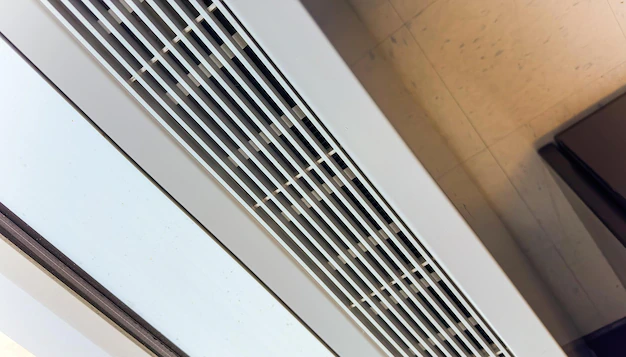
Common Issues When Airflow Paths Are Neglected
Overlooking the importance of airflow paths can lead to a variety of problems, both visible and hidden. Some of the most frequent issues include:
- Stale or Stuffy Air: Without adequate movement, indoor air can become stagnant, leading to discomfort and increased pollutant levels.
- Excessive Humidity: Poor air circulation allows moisture to accumulate, creating an environment where mold and mildew thrive.
- Uneven Heating or Cooling: Rooms far from HVAC sources may not receive enough conditioned air, resulting in temperature imbalances.
- Increased Wear on HVAC Systems: Blocked or inefficient air routes force heating and cooling units to work harder, shortening their lifespan and increasing maintenance costs.
Best Practices for Enhancing Air Circulation
To maximize the benefits of well-planned airflow, consider these actionable tips:
- Regular Maintenance: Clean or replace filters, and inspect ducts for blockages or leaks at least twice a year.
- Strategic Placement of Vents: Position supply and return vents to promote a continuous loop of air movement throughout the space.
- Upgrade Outdated Equipment: Modern fans and filtration systems are more efficient and quieter than older models.
- Monitor Indoor Air Quality: Use sensors or monitors to track humidity and pollutant levels, adjusting your ventilation strategy as needed.
- Consult Professionals: For complex systems or persistent issues, seek advice from HVAC experts who can assess and optimize your setup.
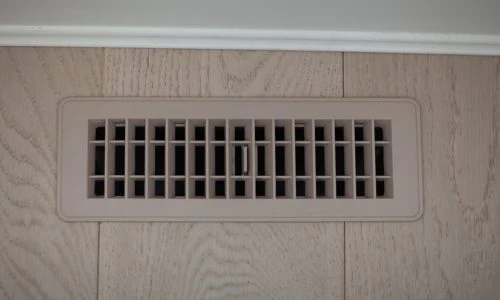
How Airflow Pathways Support Healthy Living
The role of air movement in supporting health is well documented. By ensuring that fresh air replaces stale air, you reduce the concentration of indoor pollutants and allergens. This is particularly important for individuals with asthma, allergies, or other respiratory conditions.
According to Daikin’s technical knowledge on ventilation, effective air exchange is a key factor in maintaining a safe and comfortable indoor environment. When paired with proper filtration, these pathways can significantly lower the risk of airborne illnesses and improve overall quality of life.
Integrating Airflow Considerations Into Home Upgrades
If you’re planning renovations or upgrades, it’s wise to factor in how your changes will affect air movement. For example, adding new cabinetry or appliances in the kitchen can inadvertently block vents or restrict circulation. Reviewing kitchen remodeling hidden appliance ideas can help you maintain both functionality and a seamless look, while still supporting healthy air distribution.
Simple adjustments—like choosing vent covers that match your décor or installing a ceiling exhaust fan—can have a big impact. These upgrades not only enhance comfort but also contribute to the long-term durability of your home by preventing moisture and pollutant buildup.
Frequently Asked Questions
What are airflow paths and why are they important?
Airflow paths refer to the routes that air takes as it moves through a building. They are essential for distributing fresh air, removing contaminants, and maintaining comfortable temperatures. Without well-planned air movement, indoor spaces can become unhealthy and uncomfortable.
How can I improve air movement in my home?
Start by ensuring that vents and ducts are clean and unobstructed. Use fans or air filtration kits to boost circulation, and consider sealing gaps around doors and windows to keep airflow intentional. Regular maintenance is key to keeping your system efficient.
Can poor airflow affect my health?
Yes, inadequate air movement can lead to higher levels of indoor pollutants, increased humidity, and mold growth—all of which can negatively impact respiratory health and overall well-being.
Conclusion
Prioritizing the importance of airflow paths is a smart investment in your property’s comfort, efficiency, and health. Whether you’re building new, renovating, or simply maintaining your space, thoughtful planning of air movement will pay off in the long run. By following best practices and leveraging modern solutions, you can create an indoor environment that feels fresh, balanced, and inviting year-round.

