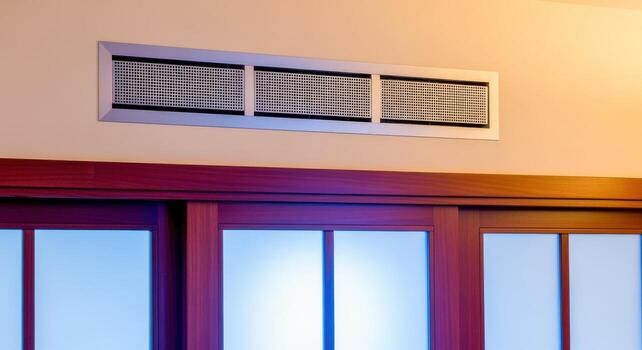

Proper air exchange is crucial for maintaining a healthy and comfortable indoor environment, especially in spaces that are tightly enclosed. When a room is sealed—whether for energy efficiency, noise reduction, or privacy—fresh air circulation can become a challenge. Without adequate ventilation, issues like excess humidity, stale air, and even the buildup of harmful pollutants can arise.
This guide explores practical solutions and best practices for introducing fresh air and removing contaminants from enclosed spaces. Whether you’re dealing with a windowless office, a soundproofed studio, or a basement room, understanding your options for mechanical and passive ventilation will help you create a safer, more comfortable space.
If you’re also considering upgrades in other parts of your home, you may find inspiration in our kitchen remodeling visual balance tips for harmonious design.
Why Airflow Matters in Enclosed Spaces
When a room is tightly sealed, natural airflow is severely limited. This can lead to several problems:
- Increased humidity leading to mold and mildew growth
- Accumulation of carbon dioxide and other indoor pollutants
- Unpleasant odors and a feeling of stuffiness
- Potential health risks for occupants, especially those with allergies or respiratory issues
Ensuring regular air exchange is essential for comfort and well-being. Let’s look at the most effective strategies for introducing and maintaining airflow in rooms without natural ventilation.
Assessing Your Sealed Room’s Ventilation Needs
Before selecting a solution, evaluate the room’s size, purpose, and current air quality. Consider the following:
- Is the room used for sleeping, working, or storage?
- Are there any existing vents, ducts, or gaps?
- Do you notice condensation, musty smells, or visible mold?
- How many people typically occupy the space?
These factors will help determine the best approach for introducing fresh air and removing stale air efficiently.
Mechanical Ventilation Options for Sealed Rooms
When natural airflow isn’t possible, mechanical systems provide the most reliable solution. Here are the most common options:
1. Exhaust Fans and Air Extractors
Installing an exhaust fan in the ceiling or wall is one of the most effective ways to remove stale air. These fans pull air out of the room and expel it outdoors, creating negative pressure that draws in fresh air from adjacent spaces or through dedicated intake vents.

For best results, choose a fan rated for the room’s square footage. Ceiling-mounted models are ideal for bathrooms and basements, while wall-mounted units work well in offices or studios.
2. Supply Fans and Fresh Air Intakes
While exhaust fans remove air, supply fans actively bring in fresh air from outside. These systems can be paired with filters to ensure that dust, pollen, and other contaminants are minimized. A balanced system may use both supply and exhaust fans to maintain consistent airflow.
3. Air Filtration and Purification Systems
If outdoor air quality is a concern, or if you want to further enhance indoor air, consider adding an air filtration kit. These units can be installed inline with ductwork or used as standalone devices. They help remove particulates, odors, and even some pathogens from the air.
Passive Techniques for Improving Air Circulation
In some cases, mechanical systems may not be feasible due to budget or installation constraints. Passive methods can still provide some relief, especially when combined with periodic airing out of the space.
- Door Grilles and Transfer Vents: Installing grilles above or below doors allows air to move between rooms, helping to equalize pressure and promote circulation.
- Trickle Vents: Small, adjustable vents installed in walls or windows can admit a controlled amount of outside air without compromising security or insulation.
- Under-door Gaps: Leaving a small gap beneath the door can facilitate airflow, especially when used with fans in adjacent rooms.
While passive methods are less effective than mechanical systems, they can still make a noticeable difference, especially when combined with regular cleaning and dehumidification.
Best Practices for Maintaining Indoor Air Quality
Beyond installing ventilation systems, there are several habits and maintenance tasks that can help keep air fresh in a closed room:
- Clean or replace filters in fans and purifiers regularly
- Keep doors and vents unobstructed
- Use a dehumidifier to control moisture levels
- Limit use of products that emit volatile organic compounds (VOCs)
- Monitor air quality with a CO2 or VOC sensor
For a deeper dive into the science and benefits of air exchange, you can read this comprehensive overview of home ventilation methods.
Choosing the Right Solution for Your Space
The best approach depends on your specific needs, budget, and the room’s construction. For most sealed rooms, a combination of mechanical ventilation and passive airflow enhancements offers the greatest benefit. If you’re unsure where to start, consult with a professional or use online calculators to estimate the required air changes per hour for your space.
Remember, improving air movement not only protects your health but also preserves the condition of your furnishings, electronics, and building materials.
Frequently Asked Questions
How can I tell if my sealed room has poor ventilation?
Common signs include persistent odors, condensation on windows or walls, visible mold, and a feeling of stuffiness. If you notice headaches or drowsiness after spending time in the room, it may be due to elevated carbon dioxide levels.
Is it safe to use an air conditioner for ventilation?
Standard air conditioners recirculate indoor air and do not provide fresh air exchange. Some advanced models have built-in ventilation features, but for true air exchange, a dedicated ventilation system is recommended.
What is the difference between an exhaust fan and a whole house fan?
An exhaust fan removes air from a single room, while a whole house fan is designed to pull air through the entire home, usually via the attic. Both can help improve airflow, but their scale and installation requirements differ.
Can I ventilate a sealed room without making permanent changes?
Yes, portable air purifiers and temporary fans can help, as can opening doors periodically to allow air to circulate. However, for long-term results, installing vents or fans is more effective.