Planning a new office space or renovating an existing one requires more than just design and construction. Ensuring your workspace meets all relevant codes and regulations is essential for safety, functionality, and legal operation. A compliance checklist helps project managers, business owners, and contractors systematically address every requirement, reducing the risk of costly delays or penalties.
This guide outlines the critical steps and considerations for achieving a compliant office buildout, from initial planning to final inspection. You’ll find practical advice on building codes, accessibility, fire safety, environmental standards, and more. For those interested in design balance and aesthetics, you might also explore kitchen remodeling visual balance tips for inspiration on creating harmonious interiors.

Understanding the Importance of a Compliance Checklist
A well-structured office buildout compliance checklist serves as a roadmap for navigating the complex landscape of construction regulations. It ensures that every phase, from design to occupancy, aligns with local, state, and federal requirements. By following a detailed list, stakeholders can avoid oversights that might otherwise result in failed inspections, project delays, or legal issues.
Compliance is not just about meeting minimum standards; it’s about creating a safe, accessible, and efficient environment for employees and visitors. Incorporating regulatory requirements early in the planning process also helps control costs and streamlines project management.
Key Elements of an Effective Office Buildout Compliance Checklist
While every project is unique, certain elements are universally important when preparing for an office renovation or new construction. Below are the main categories to include in your checklist:
- Permitting and Documentation: Secure all necessary permits before construction begins. This includes building permits, zoning approvals, and any special permissions required for unique features or uses.
- Building Codes: Ensure the design and construction comply with the International Building Code (IBC) and any local amendments. Pay special attention to structural integrity, ceiling heights, egress routes, and load-bearing walls.
- Accessibility: Adhere to the Americans with Disabilities Act (ADA) and local accessibility standards. This covers entrances, restrooms, corridors, and workspaces.
- Fire Safety: Install fire alarms, sprinklers, extinguishers, and clearly marked exits. Verify that materials and layouts meet fire resistance and evacuation requirements.
- Electrical and Mechanical Systems: All wiring, outlets, lighting, HVAC, and plumbing must meet code. Energy efficiency standards, such as those outlined by ASHRAE, may also apply.
- Environmental and Health Regulations: Address indoor air quality, hazardous materials, and sustainability requirements. Consider LEED or other green building certifications if applicable.
- Final Inspections and Certifications: Schedule all required inspections and obtain certificates of occupancy or completion before moving in.
Permitting, Zoning, and Documentation
The first step in any office construction project is verifying that the intended use aligns with local zoning laws. Submit plans for review and obtain all required permits before breaking ground. Documentation should include architectural drawings, engineering reports, and any environmental assessments.
Keeping thorough records not only satisfies regulatory requirements but also helps resolve disputes or questions during inspections. For a deeper explanation of commercial buildouts, see this overview of commercial buildout processes.
Building Codes and Structural Compliance
Adhering to building codes is fundamental for safety and legality. Codes cover a wide range of topics, from the strength of materials to the placement of emergency exits. Engage licensed professionals to ensure all structural elements meet or exceed the required standards.
Pay attention to details such as ceiling heights, corridor widths, and load capacities. These factors affect not only compliance but also the comfort and usability of the finished space.
Accessibility and ADA Requirements
Making your office accessible is both a legal obligation and a best practice for inclusivity. The ADA sets minimum standards for accessible design, including door widths, ramp slopes, restroom layouts, and signage.
- Entrances and exits must be accessible to individuals with mobility challenges.
- Restrooms should include grab bars, accessible sinks, and maneuvering space.
- Pathways must be free of obstructions and wide enough for wheelchair access.
Integrating accessibility features from the outset avoids costly retrofits and ensures everyone can safely use the space.
Fire Safety and Emergency Preparedness
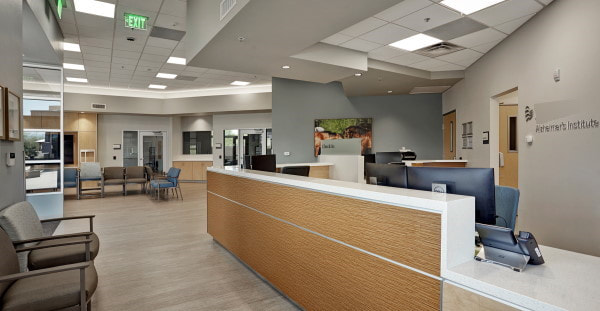
Fire safety is a crucial part of any office buildout compliance checklist. Install and test fire alarms, smoke detectors, and sprinkler systems according to code. Emergency exits must be clearly marked and unobstructed, with signage and lighting that remain visible during power outages.
Conduct regular fire drills and ensure that all staff are familiar with evacuation routes. Proper placement of extinguishers and emergency equipment can make a significant difference in an actual emergency.
Mechanical, Electrical, and Plumbing Systems
All systems must be designed and installed by licensed professionals. Electrical panels, outlets, and lighting should be positioned for both safety and convenience. HVAC systems must provide adequate ventilation and temperature control, while plumbing should support both daily use and emergency needs.
Energy efficiency is increasingly important, with many jurisdictions requiring compliance with standards such as ASHRAE or local green building codes. Upgrading to LED lighting, low-flow fixtures, and programmable thermostats can help meet these requirements.
Environmental and Health Considerations
Modern office spaces are expected to promote health and sustainability. Address indoor air quality by selecting low-VOC paints and materials, and ensure proper ventilation. If your project involves demolition, safely handle and dispose of hazardous materials like asbestos or lead paint.
Consider pursuing certifications such as LEED or WELL to demonstrate your commitment to environmental stewardship and occupant well-being.
Final Inspections and Occupancy
Before occupying the new or renovated space, schedule all required inspections with local authorities. These may include fire, electrical, plumbing, and general building inspections. Only after passing all checks should you obtain a certificate of occupancy.
Keep all documentation organized and accessible for future reference, especially if you plan additional renovations or expansions.
Frequently Asked Questions
What are the most common compliance issues in office buildouts?
The most frequent issues include incomplete permitting, inadequate accessibility features, missing or improperly installed fire safety equipment, and non-compliant electrical or mechanical systems. Early planning and thorough use of a compliance checklist help prevent these problems.
How often do building codes and regulations change?
Building codes and regulations are periodically updated, often every few years or in response to new safety standards. Always consult the latest local, state, and federal codes before starting a project to ensure compliance.
Do I need a professional to manage compliance for my office buildout?
While small projects may be managed in-house, larger or more complex buildouts benefit from hiring experienced professionals such as architects, engineers, or compliance consultants. Their expertise helps navigate regulations and avoid costly mistakes.