
Designing a truly sustainable home means more than just adding solar panels or extra insulation. At the heart of a net-zero residence is a high efficiency HVAC system that balances comfort, indoor air quality, and minimal energy use. As building codes and homeowner expectations evolve, modern heating, ventilation, and air conditioning solutions are critical for achieving net-zero energy goals. This article explores the latest advancements, system types, and integration strategies to help you choose the best HVAC approach for your sustainable home.
For those interested in optimizing every aspect of their home’s energy performance, understanding how high efficiency HVAC net-zero homes solutions work in tandem with other building systems is essential. If you’re also considering how to manage cooling loads efficiently, the cooling systems net-zero homes guide provides a comprehensive look at sustainable comfort strategies.
Why High-Efficiency HVAC Matters in Net-Zero Construction
Net-zero homes are designed to produce as much energy as they consume over the course of a year. Achieving this balance requires more than renewable energy generation—it demands that every system, especially HVAC, operates at peak efficiency. Traditional heating and cooling methods often waste energy, but modern solutions minimize losses and maximize comfort through advanced technology and smart controls.
Some of the key reasons to prioritize a high efficiency HVAC system in a net-zero home include:
- Reduced operational costs: Lower energy bills and maintenance expenses over time.
- Improved indoor air quality: Advanced filtration and ventilation keep air fresh and healthy.
- Enhanced comfort: Consistent temperatures and humidity control throughout the year.
- Lower carbon footprint: Less reliance on fossil fuels and reduced greenhouse gas emissions.
Modern HVAC Technologies for Sustainable Homes
Today’s high efficiency HVAC net-zero homes solutions go far beyond conventional furnaces and air conditioners. Here are some of the most effective systems for new builds and retrofits:
Air Source Heat Pumps
Air source heat pumps (ASHPs) extract heat from outside air—even in cold climates—and transfer it indoors for heating, or reverse the process for cooling. Modern variable-speed compressors and inverter technology allow these systems to operate efficiently across a wide temperature range. ASHPs are a cornerstone of many net-zero projects due to their versatility and low energy consumption.
Ground Source (Geothermal) Heat Pumps
Ground source heat pumps use the stable temperature of the earth to provide heating and cooling. While installation costs are higher, their efficiency and longevity make them an attractive option for those committed to ultra-low energy use. Geothermal systems can deliver up to four units of heat for every unit of electricity consumed, making them one of the most efficient HVAC options available.
Heat Recovery Ventilation (HRV) and Energy Recovery Ventilation (ERV)
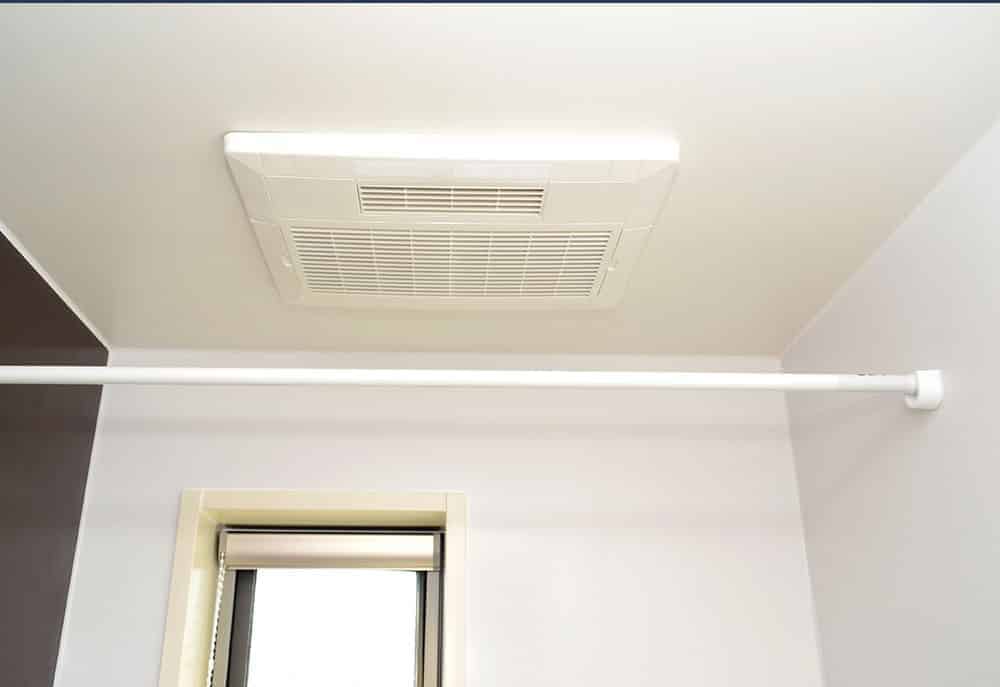
Super-insulated, airtight homes require mechanical ventilation to maintain healthy air quality. HRV and ERV systems exchange stale indoor air with fresh outdoor air while recovering heat (and sometimes moisture), minimizing energy loss. For more on this topic, see the in-depth heat recovery ventilation net-zero homes resource.

Integrating HVAC with Renewable Energy and Smart Controls
To reach net-zero, HVAC systems should work in harmony with other home technologies. Integrating with solar panels, battery storage, and smart thermostats can further reduce grid reliance and optimize energy use. For a deeper dive into how these systems interact, the renewable energy integration net-zero homes article covers system synergy in detail.
Smart controls and zoning allow homeowners to adjust temperatures in different areas, reducing unnecessary heating or cooling. Advanced monitoring tools help track energy consumption, identify inefficiencies, and ensure the system is performing as expected. Products like energy monitors and thermal cameras can be invaluable for ongoing optimization.
Choosing the Right High-Efficiency HVAC Solution
Selecting the best system for your home depends on climate, building design, budget, and personal preferences. Here are some factors to consider:
- Climate zone: Cold climates may benefit from ground source heat pumps, while milder regions can use air source heat pumps effectively.
- Home size and layout: Ductless mini-split systems offer flexibility for smaller or multi-zone homes.
- Integration with renewables: Ensure compatibility with solar PV, energy storage, and demand response programs.
- Maintenance and lifespan: Consider long-term service needs and manufacturer warranties.
For those looking to maximize heating efficiency, the energy efficient heating net-zero construction guide provides practical methods and system comparisons.
Installation and Commissioning Best Practices
Even the most advanced system will underperform if not installed and commissioned correctly. Proper sizing, ductwork design, and airtightness are crucial for efficiency. Work with experienced professionals who understand the unique requirements of net-zero construction. Regular commissioning and performance verification ensure the system operates as designed and delivers the expected energy savings.
For a step-by-step overview of the design process, the step-by-step guide to designing a net-zero home offers practical advice from planning to completion.
Ongoing Maintenance and Performance Monitoring
Maintaining peak performance requires regular filter changes, system inspections, and software updates for smart controls. Monitoring tools, such as energy usage monitors and thermal imaging cameras, can help identify issues early and keep your HVAC system running efficiently. These tools are especially valuable for homeowners committed to long-term sustainability and cost savings.
Energy storage systems also play a role in balancing supply and demand. To explore how batteries and other storage solutions complement efficient HVAC, visit the energy storage systems net-zero housing resource.
Frequently Asked Questions
What is the most efficient HVAC system for a net-zero home?
The most efficient system depends on climate and home design, but ground source heat pumps and advanced air source heat pumps are leading options. These systems offer high performance and can be integrated with renewable energy sources for maximum efficiency.
How do smart controls improve HVAC efficiency?
Smart thermostats and zoning systems allow for precise temperature control in different areas of the home, reducing unnecessary heating or cooling. They also enable remote monitoring, scheduling, and integration with other smart home devices for optimized energy use.
Can existing homes be upgraded to high-efficiency HVAC?
Yes, many existing homes can be retrofitted with ductless mini-splits, high-efficiency heat pumps, or improved ventilation systems. Upgrades should be paired with air sealing and insulation improvements for best results.
How does HVAC interact with solar panels and batteries?
Efficient HVAC systems reduce overall energy demand, making it easier for solar panels to meet a home’s needs. When paired with battery storage, excess solar energy can be used to power HVAC during peak times or outages, further reducing grid reliance.
Conclusion
Choosing the right high efficiency HVAC solution is a cornerstone of any net-zero home project. By leveraging modern technologies, integrating with renewable energy, and prioritizing proper installation and maintenance, homeowners can achieve exceptional comfort, air quality, and sustainability. For those planning a new build or retrofit, exploring the latest systems and best practices will ensure your home meets both current and future energy standards.