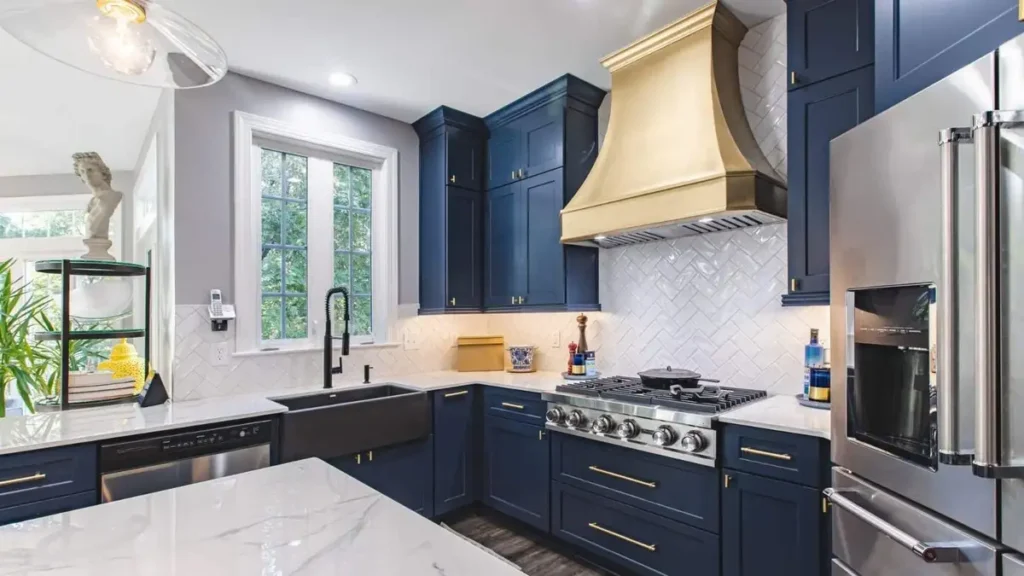

Upgrading your kitchen can dramatically improve both its functionality and comfort, but one aspect that’s often overlooked is proper ventilation. During a renovation, ensuring efficient airflow is essential for removing odors, moisture, and airborne contaminants. Whether you’re planning a minor update or a full-scale remodel, understanding the best approaches to kitchen ventilation can help you create a healthier, more enjoyable space.
In this article, we’ll explore practical kitchen remodeling ventilation tips to help you achieve better air quality and comfort. From choosing the right range hood to optimizing natural airflow, these strategies will support a successful project and a fresher kitchen environment. For those considering a more open layout, you may also find inspiration in open concept kitchen remodeling ideas to combine style and functionality.
Why Ventilation Matters in Kitchen Renovations
Effective ventilation is more than just a comfort feature—it’s a critical component for maintaining indoor air quality. Cooking releases smoke, grease, and moisture, which can linger and lead to issues like mold, unpleasant odors, and even damage to cabinetry and walls. By focusing on airflow improvements during your remodel, you’ll help prevent these problems and create a safer, more pleasant kitchen.
Additionally, proper ventilation supports energy efficiency. Removing excess heat and humidity can reduce the load on your home’s cooling system, especially in warmer climates. This not only makes your kitchen more comfortable but can also contribute to lower energy bills.
Choosing the Right Range Hood for Your Kitchen
One of the most important kitchen remodeling ventilation tips is selecting an appropriate range hood. This appliance is your first line of defense against cooking fumes and airborne particles. There are several types to consider:
- Wall-mounted hoods: Installed above your cooktop and vented outside, these are highly effective for removing smoke and grease.
- Under-cabinet hoods: Fit beneath cabinetry and are a popular choice for smaller kitchens.
- Island hoods: Designed for cooktops located on kitchen islands, these provide 360-degree coverage.
- Ductless (recirculating) hoods: Use filters to clean air before recirculating it back into the room. While easier to install, they’re generally less effective than vented models.
When choosing a range hood, pay attention to its airflow capacity (measured in cubic feet per minute, or CFM). For most home kitchens, a hood with a CFM rating of 300–600 is sufficient, but larger or more heavily used kitchens may require a higher capacity.
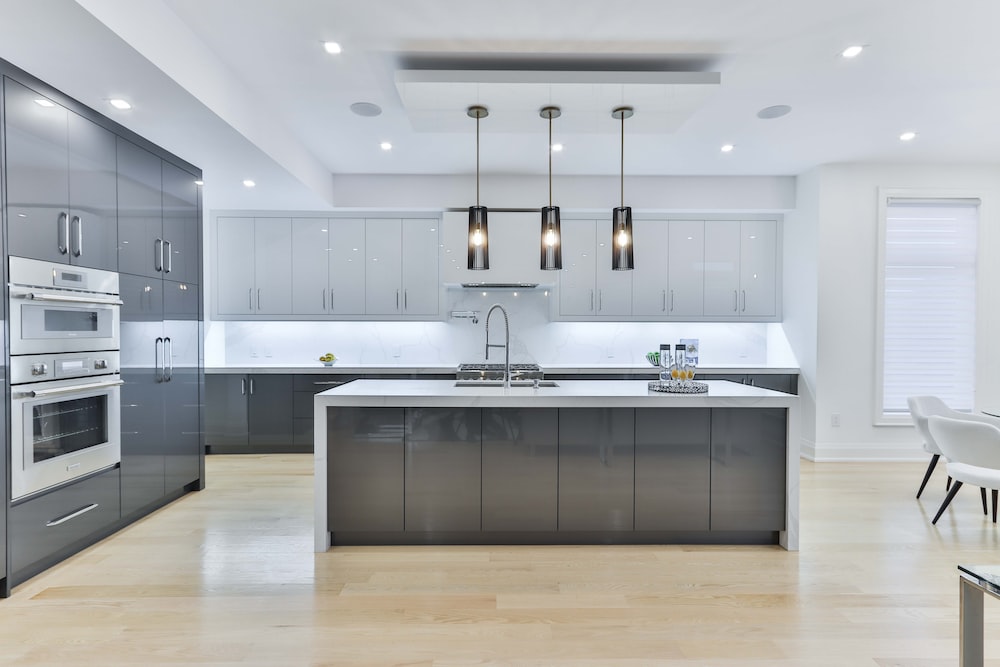
Planning Ductwork and Exhaust Placement
For optimal results, vent your range hood to the outdoors rather than recirculating air inside. This requires thoughtful planning of ductwork during the remodeling process. Keep duct runs as short and straight as possible to maximize efficiency and minimize noise. Use smooth, rigid ducts instead of flexible ones to reduce resistance and buildup of grease.
The location of your exhaust vent also matters. Ideally, it should terminate outside through an exterior wall or the roof, away from windows and doors to prevent re-entry of fumes. Sealing all duct joints and using a backdraft damper will help prevent outside air from entering your kitchen when the hood is off.
Natural Ventilation and Supplemental Solutions
While mechanical systems are essential, don’t overlook the benefits of natural airflow. If your kitchen design allows, incorporate operable windows or skylights to let fresh air in and help expel heat and odors. Cross-ventilation—where air enters from one side and exits from another—can be especially effective in open layouts.
Supplemental fans, such as ceiling or wall-mounted models, can further enhance air movement. Consider integrating these into your lighting plan for a dual-purpose solution. For more inspiration on combining lighting and airflow, check out the best kitchen recessed lights to brighten and ventilate your space.
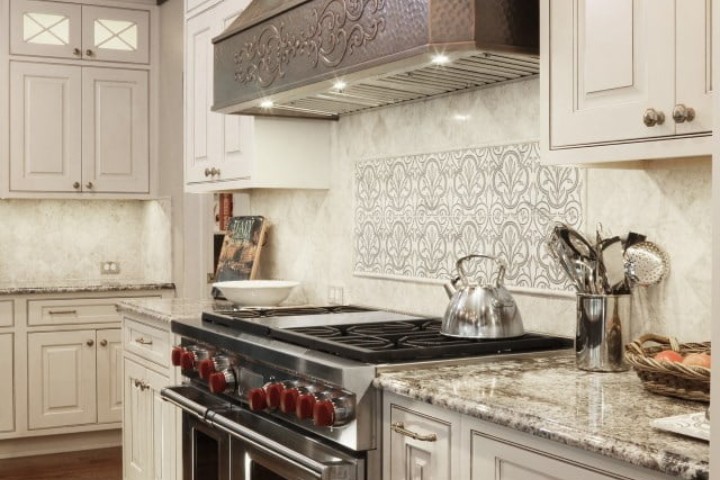
Smart Controls and Maintenance for Airflow Systems
Modern ventilation systems often come with smart features, such as automatic sensors that activate the fan when cooking begins or when air quality drops. These controls can help ensure that your system is used consistently, maximizing its effectiveness.
Regular maintenance is also crucial. Clean or replace filters as recommended by the manufacturer, and inspect ductwork periodically for blockages or leaks. This not only keeps your system running efficiently but also extends its lifespan.
Integrating Ventilation with Kitchen Design
Good airflow doesn’t have to come at the expense of style. Many modern range hoods and fans are designed to complement contemporary and traditional kitchens alike. Consider finishes and shapes that match your cabinetry, countertops, and appliances. For more ideas on blending function and aesthetics, explore creative kitchen remodeling ideas that incorporate both beauty and practicality.
If you’re working with a limited budget, there are still effective ways to improve ventilation. Simple upgrades like adding a window fan or upgrading to a higher-CFM hood can make a noticeable difference. For additional cost-saving strategies, see these budget kitchen remodeling ideas to help you prioritize your investments.
Common Mistakes to Avoid with Kitchen Airflow
Even with the best intentions, some common errors can undermine your efforts to improve ventilation:
- Choosing a hood that’s too small or underpowered for your cooking habits
- Using flexible ducting, which can trap grease and reduce efficiency
- Failing to vent exhaust air outside
- Neglecting regular cleaning and filter replacement
- Blocking airflow with poorly placed cabinets or appliances
To ensure a smooth renovation, review these kitchen remodeling mistakes to avoid and plan your ventilation upgrades carefully.
FAQ: Kitchen Airflow and Ventilation During Remodeling
How powerful should my kitchen range hood be?
The ideal power for a range hood depends on your cooking style and kitchen size. As a general rule, look for a hood with at least 100 CFM per linear foot of cooktop. For heavy cooking or larger spaces, consider higher-capacity models.
Is it necessary to vent my range hood outside?
Venting to the outdoors is highly recommended for the best air quality. Ductless hoods can filter some odors and grease, but they don’t remove heat or moisture as effectively as vented systems.
What maintenance does a kitchen ventilation system require?
Regularly clean or replace filters, wipe down hood surfaces, and inspect ductwork for blockages or leaks. Schedule professional maintenance if you notice reduced airflow or unusual noises.
Final Thoughts on Improving Kitchen Air Quality
Prioritizing ventilation during your kitchen remodel is essential for a healthier, more comfortable home. By selecting the right equipment, planning effective ductwork, and integrating natural airflow, you’ll enjoy a space that looks great and feels fresh every day. For a smoother renovation process, consult a kitchen remodeling planning checklist and consider your airflow needs from the very beginning.