Living independently from public utilities brings a unique set of challenges and rewards, especially when it comes to disaster preparedness off-grid. Whether you’re new to self-reliant living or a seasoned homesteader, understanding how to prepare for emergencies without relying on outside infrastructure is essential. This guide explores practical strategies, essential supplies, and proven systems to help you maintain safety, comfort, and resilience no matter what comes your way.
Before diving into the core principles of off-grid readiness, it’s helpful to learn from real-world experiences. For a deeper look at the realities, benefits, and challenges of rural self-sufficiency, check out the rural off-grid lifestyle overview. These insights can help you anticipate potential obstacles and develop a more robust emergency plan.
Why Off-Grid Disaster Planning Is Different
Preparing for emergencies while living off the grid requires a different mindset than urban or suburban readiness. Without access to municipal water, grid electricity, or rapid emergency services, your ability to weather storms, wildfires, or supply chain disruptions depends on your own systems and resourcefulness.
- Self-reliance is non-negotiable—there’s no backup utility to call.
- Redundancy is critical. If one system fails, you need alternatives.
- Community support may be limited, so personal skills and supplies are vital.
By focusing on these principles, you can build a foundation that supports both daily living and unexpected crises.
Core Elements of Off-Grid Emergency Preparedness
A comprehensive approach to disaster preparedness off-grid covers several key areas. Each plays a crucial role in ensuring your household remains safe and functional during disruptions.
Water Security and Storage
Safe water is the cornerstone of survival. Off-grid homes often rely on wells, rainwater catchment, or nearby streams. To ensure access during disasters:
- Install multiple water sources (well, rain barrels, cisterns).
- Keep manual pumps or gravity-fed systems as backups.
- Stockpile water purification supplies—filters, tablets, and boiling equipment.
- Store at least one gallon per person per day for two weeks.
Reliable Power and Lighting
Power outages are common during storms or wildfires. Off-grid setups typically use solar, wind, or micro-hydro systems. For resilience:
- Maintain backup batteries and off-grid generators.
- Use LED lanterns and headlamps for efficient lighting.
- Have manual tools for critical tasks if power is lost.
For more on optimizing your energy use and automating essential functions, explore off-grid homestead automation strategies.
Food Production and Preservation
Growing and storing your own food is a major advantage in uncertain times. A productive garden, small livestock, and preservation skills can keep your pantry stocked year-round.
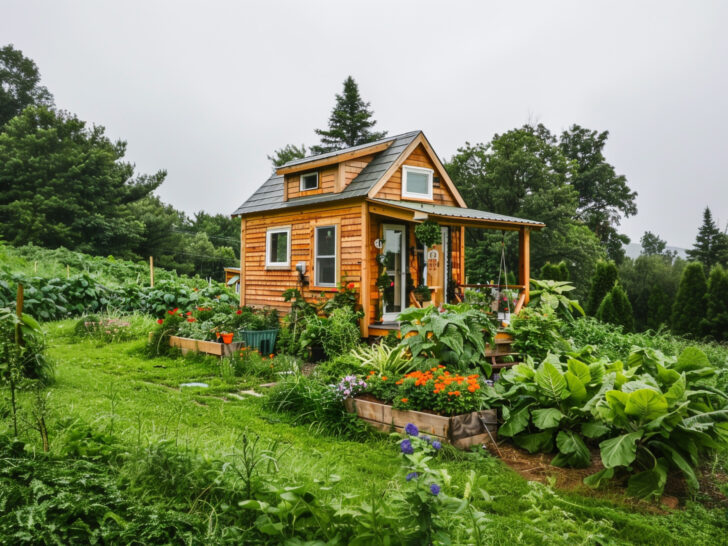
- Design a year-round garden with raised beds and cold frames.
- Keep seeds, soil amendments, and hand tools in reserve.
- Raise chickens or rabbits for eggs and meat.
- Preserve harvests by canning, dehydrating, and fermenting.
For those looking to debunk common misconceptions about self-sufficient living, the off-grid homesteading myths article offers valuable perspective.
Medical Supplies and First Aid
When professional help is far away, your ability to handle injuries or illness is vital. Build a comprehensive first aid kit and learn basic medical skills. For a deeper dive into this subject, visit the off-grid medical preparedness resource.
- Stock wound care, pain relief, and prescription medications.
- Include splints, bandages, and emergency dental supplies.
- Take first aid and CPR courses.
- Keep reference books or offline guides for emergencies.
Building Resilience Through Redundancy
The most effective off-grid emergency plans include backup systems for every critical need. Redundancy ensures that if one resource fails, another is ready to take its place. This approach applies to water, power, food, and communications.
- Have both solar and wind power, or a generator as a fallback.
- Store water in multiple locations and use different purification methods.
- Preserve food in several ways—freeze, can, dry, and ferment.
- Use radios, satellite messengers, and signal mirrors for communication.
Practical Tips for Everyday Off-Grid Safety
Integrating preparedness into daily routines makes it easier to respond when disaster strikes. Here are some practical steps:
- Rotate supplies regularly to keep them fresh.
- Practice emergency drills with your household.
- Keep important documents in waterproof, fireproof containers.
- Maintain clear access routes for evacuation or emergency vehicles.
- Stay informed about local risks—wildfire, flood, severe storms.
Modern Tools for Off-Grid Disaster Preparedness
Technology can enhance your ability to manage emergencies. From smart sensors to automated livestock care, modern solutions can make off-grid living safer and more efficient. For inspiration, see how modern off-grid homesteading incorporates these advances.
For a comprehensive checklist of essential supplies and gear, the off-grid living essentials guide offers a detailed breakdown of what to keep on hand.
Frequently Asked Questions
What are the most important supplies for off-grid emergency readiness?
Focus on water, food, first aid, power, and communication tools. Redundant systems for each category are essential. Keep manual tools, water filters, preserved foods, medical kits, and alternative power sources available at all times.
How can I make my off-grid home more resilient to natural disasters?
Invest in robust building materials, secure your roof and windows, and clear defensible space around your property. Maintain multiple water and power sources, and develop an evacuation plan. Regularly review and update your emergency supplies.
Is it possible to automate parts of my disaster plan?
Yes, many off-grid homesteaders use smart sensors for water levels, automated coop doors, and remote monitoring of power systems. These tools can provide early warnings and reduce manual workload, especially during emergencies.
Conclusion
Effective disaster preparedness off-grid is about more than stockpiling supplies—it’s a mindset of resilience, adaptability, and continuous learning. By building redundancy into every system, practicing essential skills, and staying informed, you can protect your household and thrive even when challenges arise. Use the resources and strategies outlined here to strengthen your self-sufficiency and peace of mind.