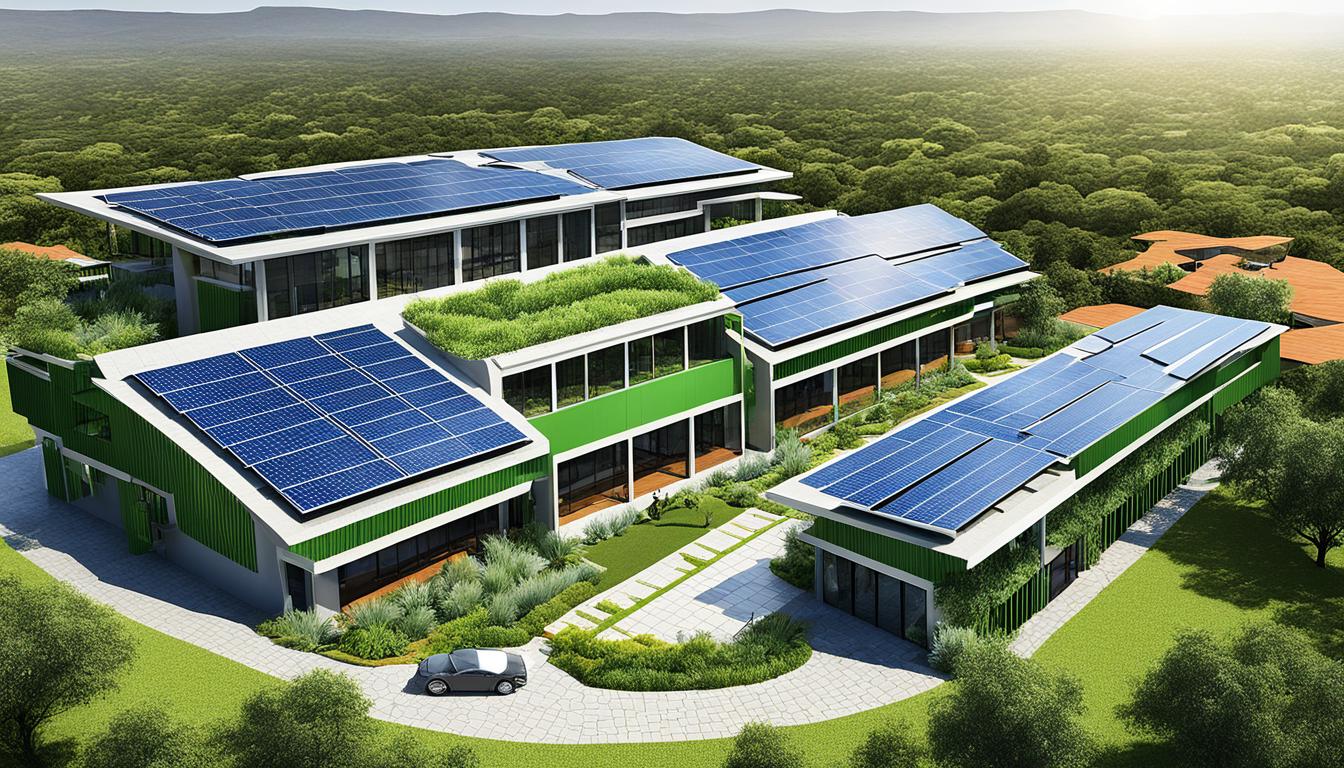

The concept of energy-efficient homes is gaining traction around the globe. Homeowners and real estate developers are actively searching for ways to make homes more sustainable and reduce utility costs. In this comprehensive energy-efficient homes cost analysis, we will delve into the various aspects that homeowners must consider.
One of the main motivations behind building or renovating a home to be more energy-efficient is to save money on energy bills. Additionally, green construction contributes positively to the environment by reducing carbon footprints.

What Defines an Energy-Efficient Home?
To start, it’s essential to understand what characterizes an energy-efficient home. These homes use less energy to perform the same tasks, thanks to improved insulation, smarter use of appliances, and integration of sustainable building practices. Such initiatives align well with best practices outlined by industry experts.
Initial Costs and Long-term Savings
Many people are deterred by the initial investments required. However, when conducting an energy-efficient homes cost analysis, it becomes clear that the long-term savings can outweigh the upfront costs. Reduced electricity and heating bills are just the beginning of the potential savings.
The Importance of Insulation
Efficient insulation is a cornerstone of reducing energy consumption. High-quality insulation minimizes heat transfer, thereby decreasing the need for excessive heating and cooling. For tips on planning and executing sustainable building strategies, you might want to refer to this planning guide.
Smart Appliances
The incorporation of smart appliances is crucial in energy-efficient homes. From refrigerators to lighting systems, technology can make significant contributions to energy savings. For instance, LED lights consume significantly less electricity compared to traditional bulbs, thereby contributing to your home being more energy-efficient.
Government Incentives and Rebates
Another aspect of energy-efficient homes cost analysis is to consider potential government incentives. Many governments offer rebates and tax breaks to encourage sustainable construction. These incentives can reduce the financial burden on homeowners undertaking such projects.
Legal and Compliance Aspects
Homeowners should also be aware of legal requirements when making energy-efficient upgrades. Compliance with building codes and regulations is crucial. For more details on navigating common pitfalls, you may consult this resource.
Case Studies and Real-World Examples
Real-world examples serve as effective ways to demonstrate how energy-efficient homes save money over time. One notable example is the retrofit of older homes where energy costs were halved. These case studies provide valuable insights and serve as motivation for new projects.
Global Trends
The trend towards energy efficiency is not just limited to developed nations. Developing countries are also joining the movement, recognizing the importance of energy sustainability. According to a Wikipedia article, countries like China and India are making strides in green and energy-efficient construction.
Conclusion
The shift towards energy-efficient homes is a win-win situation for both the environment and homeowners’ wallets. Although initial costs can be high, the long-term benefits and incentives provide an appealing proposition. By conducting a thorough energy-efficient homes cost analysis, you can make informed decisions that benefit both the planet and your pocket.

FAQs
What is the average cost of making a home energy-efficient?
The cost can vary depending on the age and size of the home but generally ranges from a few thousand to tens of thousands of dollars.
How much can I save on energy bills?
Homeowners can expect to save anywhere from 20% to 50% on energy bills.
Are there any downsides to energy-efficient homes?
While the pros outweigh the cons, some downsides include higher initial costs and the time required to install efficient systems.
This article contains affiliate links. We may earn a commission at no extra cost to you.