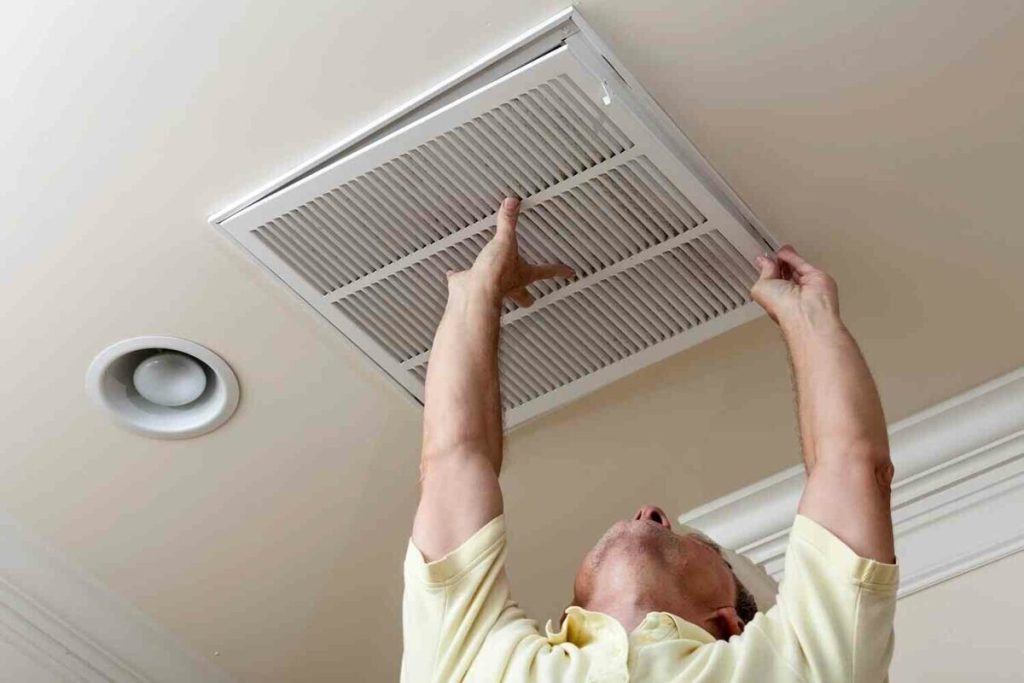

The way air moves throughout a house can have a significant impact on comfort, energy efficiency, and even the health of its occupants. One of the most important, yet often overlooked, aspects of residential airflow is the concept of pressure zones in homes. These zones are created by differences in air pressure from room to room, floor to floor, or between the inside and outside of the building. Managing these differences is essential for maintaining balanced ventilation, preventing moisture problems, and ensuring that heating and cooling systems work as intended.
Many homeowners notice issues like uneven temperatures, drafts, or persistent odors but may not realize these are often linked to how air pressure is distributed throughout the house. By learning about pressure zones, you can take practical steps to improve indoor air quality, reduce utility bills, and create a more comfortable living environment.
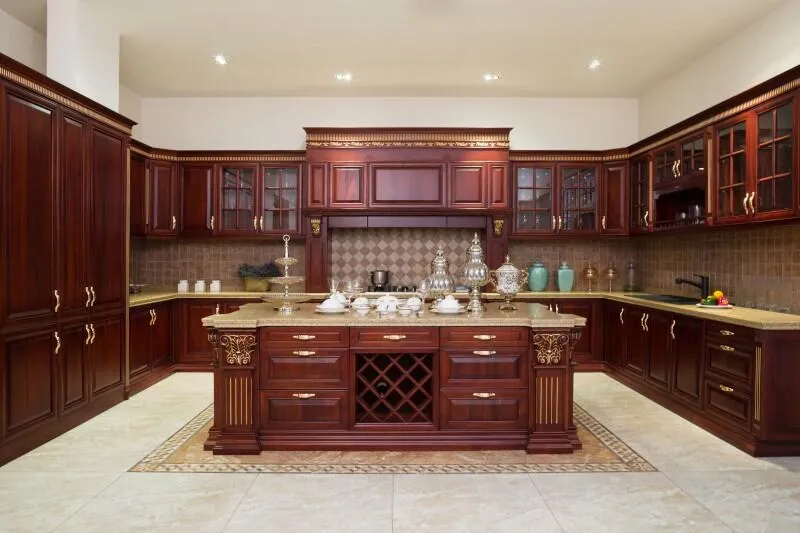
If you’re planning a renovation or looking for ways to optimize your home’s comfort, understanding how air pressure works can be just as important as choosing the right finishes. For example, those interested in kitchen upgrades may find value in exploring kitchen remodeling visual balance tips to complement improvements in airflow and ventilation.
What Are Pressure Zones and Why Do They Matter?
In any building, air naturally moves from areas of higher pressure to areas of lower pressure. This movement is influenced by several factors, including HVAC operation, exhaust fans, open windows, and even weather conditions. When these factors are not balanced, distinct pressure zones can form within the home.
- Positive pressure zones: These occur when more air is supplied to a space than is removed, causing air to push outward. This can help keep outdoor pollutants out but may also force conditioned air to escape through leaks.
- Negative pressure zones: These happen when more air is exhausted or leaks out than is supplied, drawing outside air in. This can lead to drafts, increased humidity, or the infiltration of dust and allergens.
- Neutral pressure zones: Ideally, most living spaces should be close to neutral, where the amount of air entering and leaving is balanced, minimizing unwanted airflow and maintaining comfort.
How Pressure Imbalances Develop in Residential Spaces
Several common household features and habits can create or worsen pressure differences:
- Closed interior doors: When doors are shut, especially in homes with central HVAC, the supply air may have no easy path back to the return vent, creating positive pressure in some rooms and negative in others.
- Exhaust fans: Bathroom and kitchen fans remove air from the house. If makeup air isn’t provided, this can depressurize the home.
- Leaky ductwork: Gaps in ducts can cause air to be lost to attics or crawlspaces, disrupting the intended pressure balance.
- Stack effect: Warm air rises and escapes through upper levels, pulling in cooler air from lower levels or outside, especially in winter.
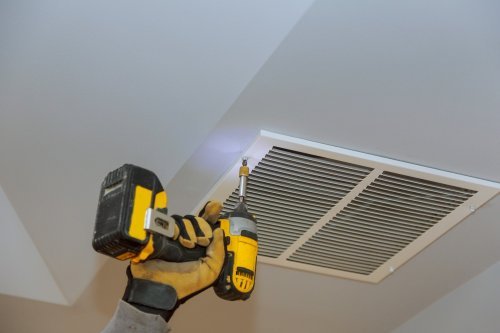
Common Signs of Pressure Problems
Homeowners may not always realize when their house is suffering from pressure imbalances. However, there are several clues that can indicate issues with airflow:
- Drafts or whistling sounds near doors and windows, especially when HVAC systems are running.
- Uneven temperatures between rooms or floors, making some areas uncomfortable.
- Unexplained odors that linger or seem to travel from one part of the house to another.
- Difficulty closing doors due to air pressure pushing or pulling against them.
- Excessive dust or increased allergy symptoms, often caused by outdoor air infiltration.
Benefits of Managing Air Pressure in Your Living Space
Addressing pressure differences can have a range of positive effects:
- Improved comfort: Balanced airflow helps maintain consistent temperatures and humidity throughout the home.
- Energy efficiency: Preventing conditioned air from leaking out or unconditioned air from being drawn in can reduce heating and cooling costs.
- Healthier indoor air: Proper ventilation and pressure management can reduce the entry of allergens, pollutants, and moisture, lowering the risk of mold and respiratory issues.
- Longer HVAC lifespan: Systems that don’t have to work against pressure imbalances tend to last longer and require fewer repairs.
Practical Ways to Balance Pressure Zones
Achieving balanced pressure zones doesn’t always require major renovations. Here are some practical steps to consider:
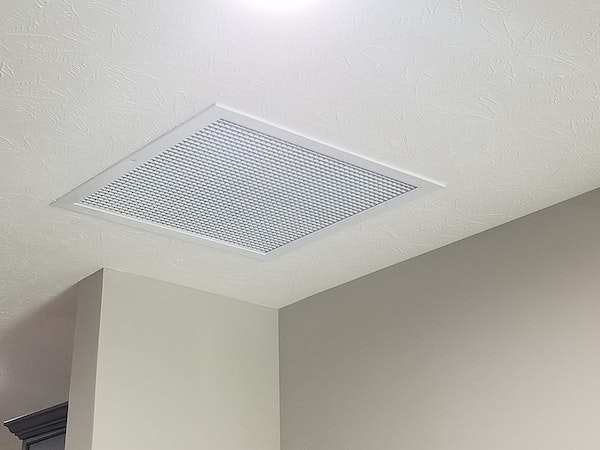
- Install transfer grilles or jump ducts: These allow air to move freely between rooms, especially when doors are closed.
- Seal ductwork: Use mastic or foil tape to seal leaks in HVAC ducts, especially in attics and crawlspaces.
- Use balanced ventilation systems: Devices like energy recovery ventilators (ERVs) or heat recovery ventilators (HRVs) bring in fresh air and exhaust stale air in equal amounts.
- Adjust exhaust fan usage: Limit the use of powerful exhaust fans or ensure that makeup air is provided, especially in tightly sealed homes.
- Check for building envelope leaks: Seal gaps around windows, doors, and utility penetrations to prevent uncontrolled air movement.
For a deeper look at how ventilation systems work and their role in balancing air pressure, consider reviewing this comprehensive guide to home ventilation systems.
Integrating Pressure Management Into Home Improvement
When planning upgrades or remodeling projects, it’s wise to factor in airflow and pressure management. For example, kitchen renovations can benefit from thoughtful placement of exhaust fans and return air pathways. If you’re interested in more tips for functional and harmonious kitchen design, check out these kitchen remodeling cleaning zone layout ideas.
Consulting with HVAC professionals or energy auditors can also help identify hidden pressure issues and recommend targeted solutions. They may use tools like blower doors or manometers to measure pressure differences and locate problem areas.
FAQ About Pressure Zones in Residential Buildings
How can I tell if my home has pressure imbalances?
Signs include doors that are hard to open or close, noticeable drafts, uneven heating or cooling, and persistent odors. You can also use simple tests, like holding a tissue near a door or window to see if it moves when the HVAC is running.
Are pressure differences harmful to my home?
Significant imbalances can lead to moisture problems, increased energy bills, and poor indoor air quality. Over time, they may also contribute to mold growth or structural issues if not addressed.
What is the best way to balance air pressure in my house?
Start by ensuring that supply and return air pathways are open and unobstructed. Sealing duct leaks, using balanced ventilation systems, and consulting with a professional for a whole-house assessment are effective strategies.
Can improving pressure zones help with allergies?
Yes, by reducing the infiltration of outdoor allergens and ensuring proper filtration, you can create a healthier indoor environment for allergy sufferers.
Understanding and managing pressure zones in homes is a key step toward a more comfortable, efficient, and healthy living space. Whether you’re tackling a renovation or simply want to improve your home’s air quality, paying attention to airflow and pressure balance can make a noticeable difference.