
Planning a new office space or renovating an existing one is a significant investment. Yet, even experienced project managers and business owners can fall into common traps that drive up expenses and delay completion. Understanding the most frequent office buildout planning mistakes is essential to keep your project on track and within budget.
From underestimating hidden costs to overlooking workflow needs, these missteps can have lasting impacts on both finances and productivity. By learning how to avoid these pitfalls, you can create a workspace that supports your team and maximizes your return on investment.
If you’re interested in creating visually balanced and harmonious interiors for other spaces, you might also find value in our kitchen remodeling visual balance tips for inspiration and practical advice.
Why Smart Preparation Matters in Office Construction
A well-planned office buildout is more than just an aesthetic upgrade. It’s a strategic move that can boost employee morale, enhance workflow, and support future growth. However, failing to address critical details early in the process often leads to expensive changes, project delays, and operational disruptions.
By recognizing the most common office buildout planning mistakes, you can proactively address potential issues and set your project up for success.
Underestimating the True Scope of the Project
One of the most frequent errors is not fully understanding the extent of work required. This can happen when teams focus only on visible changes, such as new walls or furniture, and overlook essential infrastructure like electrical, HVAC, or IT systems.
- Hidden costs often arise from outdated wiring, insufficient power supply, or inadequate climate control.
- Failing to assess the building’s current condition can lead to expensive surprises once construction begins.
- Not accounting for code compliance or accessibility requirements may result in costly rework.
To avoid these issues, conduct a thorough site assessment and consult with experienced professionals before finalizing your plans.
Ignoring Workflow and Space Utilization Needs
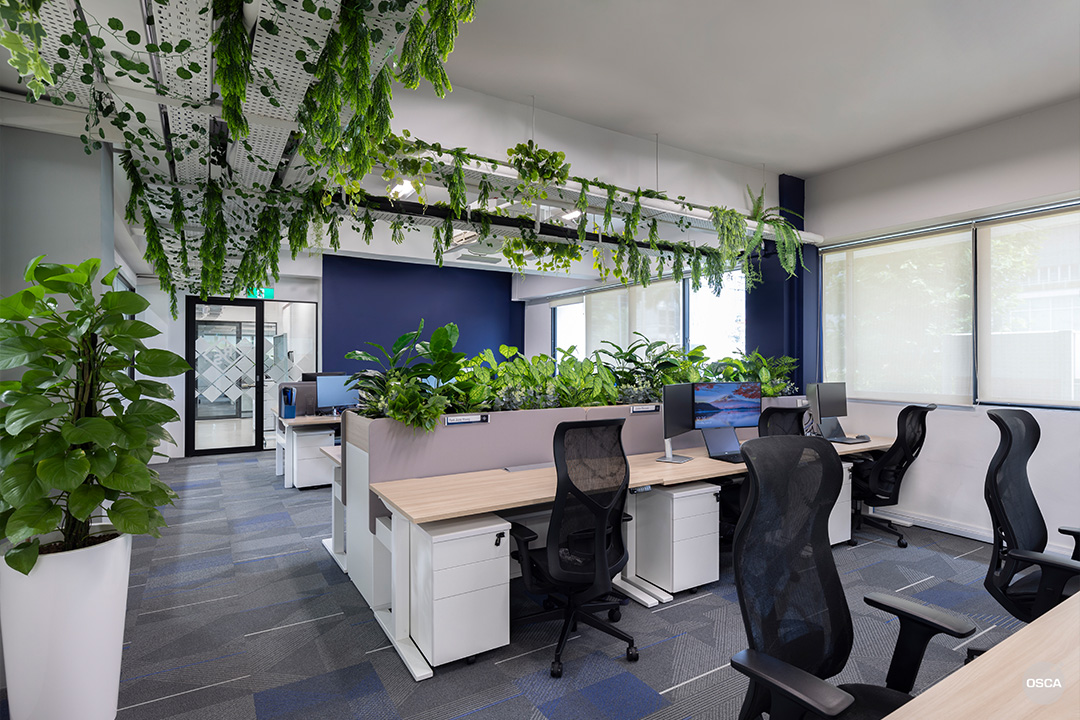
A beautiful office is only effective if it supports your team’s daily activities. Overlooking how employees move, collaborate, and use the space can result in a layout that hinders productivity.
- Not involving employees in the planning process can result in overlooked needs and dissatisfaction.
- Poorly designed meeting areas or insufficient collaboration zones may require expensive modifications later.
- Ignoring future growth or flexibility can force another costly renovation sooner than expected.
Engaging your team and mapping out workflows early helps ensure the space meets both current and future requirements.
Overlooking Budget Details and Contingencies
Setting a realistic budget is crucial, but many projects falter by neglecting to include a buffer for unexpected expenses. Common office buildout planning mistakes in budgeting include:
- Not allocating funds for permits, inspections, or change orders.
- Forgetting about soft costs such as design fees, legal expenses, or moving costs.
- Failing to set aside a contingency fund (typically 10–20% of the total budget) for unforeseen issues.
Transparent communication with contractors and regular budget reviews can help you stay on track and avoid financial surprises.
Poor Coordination With Contractors and Vendors
Even the best-laid plans can unravel if there’s a breakdown in communication among stakeholders. Delays, miscommunications, and scope creep often stem from unclear roles or expectations.
- Not establishing a single point of contact for the project can lead to conflicting instructions and wasted time.
- Failing to vet contractors or check references increases the risk of subpar workmanship or missed deadlines.
- Overlapping schedules for different trades can cause bottlenecks and drive up labor costs.
Regular meetings, clear documentation, and a detailed project timeline are essential for smooth execution.
Neglecting Technology and Infrastructure Planning
Modern offices rely heavily on technology, yet IT infrastructure is often an afterthought. This oversight can result in costly retrofits and operational headaches.
- Insufficient cabling or power outlets can disrupt daily operations and require expensive fixes.
- Poor Wi-Fi coverage or lack of network redundancy can impact productivity and security.
- Not planning for future technology upgrades may lead to additional downtime and costs.
Collaborate with IT professionals early in the process to ensure the space is equipped for current and future needs.
Compliance and Permit Oversights
Skipping or delaying necessary permits and inspections is a shortcut that can backfire. Regulatory non-compliance can result in fines, stop-work orders, or forced changes that inflate costs and timelines.
- Building codes, fire safety, and accessibility standards must be addressed from the outset.
- Engage with local authorities and secure all required approvals before starting construction.
- Document every step to ensure accountability and smooth inspections.
For a deeper dive into the renovation process and how to avoid costly pitfalls, review this comprehensive guide to office buildout and renovation.
Choosing Aesthetics Over Functionality
While a visually appealing office can boost morale, prioritizing looks over practicality can lead to regrettable choices. For example, selecting trendy finishes that are hard to maintain or uncomfortable furniture can result in higher long-term costs.
- Balance design trends with durability and ease of maintenance.
- Ensure that furniture and fixtures support ergonomics and daily use.
- Consider how lighting, acoustics, and layout impact employee well-being and productivity.
A functional, comfortable workspace will always deliver better value than one designed solely for visual impact.
Frequently Asked Questions
What are the most common hidden costs in office renovations?
Hidden costs often include upgrades to electrical and HVAC systems, code compliance modifications, permit fees, and unexpected repairs to existing structures. It’s important to conduct a thorough site assessment and consult with professionals to uncover these expenses early.
How can I ensure my office buildout supports future growth?
Plan for flexibility by designing adaptable spaces, installing modular furniture, and ensuring infrastructure can accommodate additional staff or technology upgrades. Involving your team in the planning process and forecasting business needs will help you avoid costly renovations down the road.
Why is involving IT professionals early in the process important?
Early involvement of IT experts ensures that your office is equipped with adequate cabling, power, and network infrastructure. This prevents costly retrofits, minimizes downtime, and supports seamless integration of current and future technologies.