
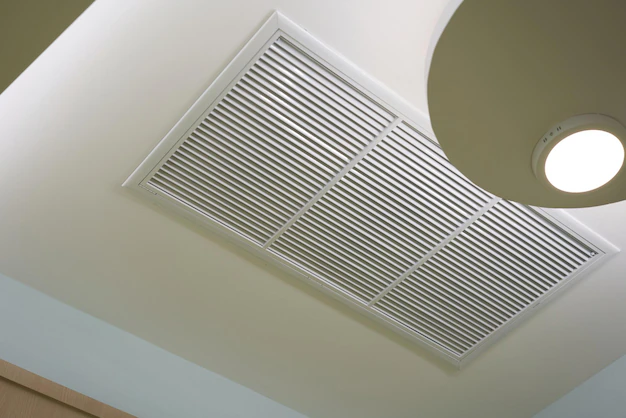

Achieving optimal comfort and energy efficiency in homes and commercial spaces depends heavily on how well air is distributed throughout the building. Airflow balancing techniques are essential for ensuring that every room receives the right amount of conditioned air, preventing hot or cold spots, and reducing energy waste. Whether you manage a large HVAC system or want to improve the climate in your own home, understanding the principles and methods for balancing air distribution is key to a healthier and more comfortable environment.
Proper air distribution not only enhances comfort but also extends the lifespan of your HVAC equipment and can help lower utility bills. In this article, we’ll explore proven strategies, practical tips, and the tools professionals use to fine-tune air movement for maximum efficiency.
For those interested in how airflow principles relate to interior design, you might find insights in our kitchen remodeling visual balance tips as well. Achieving harmony in air movement and visual design often go hand in hand.
Why Proper Air Distribution Matters
When air is not evenly distributed, some rooms may feel stuffy while others remain too cold or too hot. This imbalance can lead to discomfort, increased energy usage, and even health issues due to poor ventilation. Balancing airflow ensures that every area receives adequate ventilation, which is crucial for maintaining indoor air quality and comfort.
In addition, a well-balanced system reduces strain on HVAC components, helping to prevent premature wear and costly repairs. The right approach to air balancing can also address issues like excessive dust, humidity problems, and lingering odors.
Key Methods for Achieving Balanced Airflow
There are several proven airflow balancing techniques that professionals and homeowners can use to optimize air distribution. The following methods are commonly used in both residential and commercial settings:
- Adjusting Dampers: Most duct systems include manual dampers that can be opened or closed to control the volume of air reaching different rooms. Adjusting these dampers is a straightforward way to redistribute air where it is needed most.
- Register and Grille Adjustments: Supply and return registers can be opened, closed, or redirected to fine-tune airflow at the room level. This is especially useful for rooms that are consistently too warm or cold.
- Sealing Ductwork: Leaky ducts can cause significant air loss, making it difficult to balance air properly. Sealing gaps and joints with mastic or foil tape helps ensure that air reaches its intended destination.
- Fan Speed Modulation: Some HVAC systems allow for fan speed adjustments, which can help balance air delivery across multiple zones.
- Using Airflow Measurement Tools: Professionals often use anemometers, flow hoods, or manometers to measure air velocity and pressure, enabling precise adjustments for optimal balance.
Step-by-Step Guide to Balancing Your HVAC System
For those looking to tackle air balancing at home, the following steps provide a practical roadmap:
- Inspect and Clean Vents: Ensure all supply and return vents are unobstructed by furniture, curtains, or dust. Clean vents regularly to maintain proper airflow.
- Check for Duct Leaks: Examine accessible ductwork for visible gaps or disconnected sections. Sealing leaks improves both efficiency and balance.
- Adjust Dampers: Locate manual dampers on your ductwork and adjust them incrementally. Start by opening all dampers, then partially close those leading to rooms that receive too much air.
- Fine-Tune Registers: Use the adjustable louvers on supply registers to direct airflow as needed. Avoid closing registers completely, as this can increase system pressure and cause noise or damage.
- Measure Room Temperatures: Use a digital thermometer to monitor temperatures in each room over several days. Make small adjustments to dampers and registers until temperatures are consistent throughout the space.
- Consider Professional Testing: For complex systems or persistent issues, hiring a professional with specialized tools can provide a more precise balance.

Common Issues That Affect Air Distribution
Even with the best intentions, several factors can disrupt balanced airflow. Recognizing these issues early can help you address them before they become major problems:
- Improperly Sized Ducts: Ductwork that is too small or too large for the system can lead to uneven air delivery.
- Blocked or Dirty Filters: Clogged filters restrict air movement, causing pressure imbalances and reducing efficiency.
- Poorly Designed Layouts: Duct runs with too many bends or long distances can result in pressure drops and inadequate airflow to distant rooms.
- Closed Interior Doors: Keeping doors closed can prevent air from circulating freely, especially in homes without return vents in every room.
- Negative or Positive Pressure: Imbalances between supply and return air can create pressure differences, leading to drafts or difficulty closing doors.
Tools and Devices for Effective Airflow Balancing
Professionals rely on a variety of tools to diagnose and correct air distribution problems. Some of the most commonly used devices include:
- Anemometers: Measure air velocity at vents and grilles, helping to identify areas with too much or too little airflow.
- Flow Hoods: Capture and measure the volume of air coming from supply registers for precise balancing.
- Manometers: Gauge pressure differences within the duct system, revealing leaks or blockages.
- Smoke Pencils: Visualize air movement and detect drafts or leaks in ducts and around vents.
Investing in these tools can make a significant difference, especially for larger homes or commercial spaces where manual adjustments may not be sufficient.
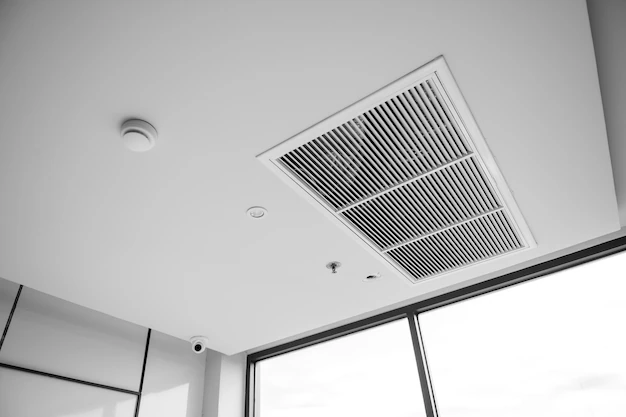
Enhancing Ventilation and Air Quality
Balancing air movement is not only about comfort; it also plays a crucial role in maintaining healthy indoor air. Proper ventilation helps remove contaminants, control humidity, and bring in fresh air. For a deeper understanding of home ventilation, see this comprehensive explanation of residential ventilation systems.
In addition to balancing techniques, consider upgrading to high-efficiency air filters or adding exhaust fans in areas prone to moisture, such as bathrooms and kitchens. These improvements can further enhance air quality and system performance.
When to Call a Professional
While many balancing tasks can be handled by diligent homeowners, certain situations require expert attention. If you notice persistent temperature differences, excessive noise from ducts, or suspect design flaws in your system, a certified HVAC technician can provide a thorough assessment and advanced balancing services.
Professionals can also recommend system upgrades, such as zoning controls or variable-speed fans, that offer more precise control over air distribution throughout your space.
FAQ
How often should airflow balancing be performed?
It’s a good idea to check and adjust air distribution whenever you notice comfort issues, after major renovations, or when installing new HVAC equipment. For most homes, a review every couple of years is sufficient unless problems arise.
Can I balance airflow myself, or do I need a professional?
Many basic adjustments, such as opening or closing registers and sealing visible duct leaks, can be done by homeowners. However, for complex systems or persistent imbalances, professional testing and adjustment may be necessary for best results.
What are signs that my system is out of balance?
Common indicators include rooms that are consistently too hot or cold, noticeable drafts, excessive dust, and high energy bills. Noise from vents or ducts can also signal pressure issues related to poor air distribution.

