

Remodeling your kitchen with sustainability in mind is a smart way to reduce your environmental impact while creating a healthier, more efficient space. Whether you’re planning a full renovation or a few targeted upgrades, focusing on eco-friendly choices can help you save energy, minimize waste, and support a greener lifestyle. This guide covers practical sustainable kitchen remodeling tips to help you make responsible decisions at every stage of your project.
From selecting renewable materials to optimizing energy use, there are many ways to make your kitchen renovation more environmentally friendly. If you’re also interested in achieving a harmonious look, check out these kitchen remodeling visual balance tips for cohesive design ideas.
Why Prioritize Eco-Friendly Kitchen Upgrades?
Choosing sustainable options during a kitchen remodel benefits both your household and the planet. Eco-conscious renovations can:
- Lower utility bills by improving energy and water efficiency
- Reduce exposure to harmful chemicals and indoor pollutants
- Minimize landfill waste through recycling and reuse
- Increase the long-term value and appeal of your home
By making thoughtful choices, you can create a kitchen that aligns with your values and supports a healthier lifestyle for your family.
Choosing Sustainable Materials for Cabinets and Surfaces
One of the most impactful sustainable kitchen remodeling tips is to select materials that are renewable, recycled, or responsibly sourced. Here are some options to consider:
- Bamboo: A fast-growing, renewable resource ideal for cabinetry and flooring.
- Reclaimed Wood: Salvaged wood adds character and reduces the demand for new lumber.
- Recycled Glass or Paper Composite Countertops: Durable, stylish, and made from post-consumer materials.
- Low-VOC Finishes: Choose paints, stains, and sealants labeled as low or zero VOC (volatile organic compounds) to improve indoor air quality.
When selecting new cabinets or surfaces, look for certifications such as FSC (Forest Stewardship Council) or Greenguard to ensure products meet environmental standards. For more on hardware and style, see this kitchen remodeling hardware style guide.
Energy-Efficient Appliances and Lighting
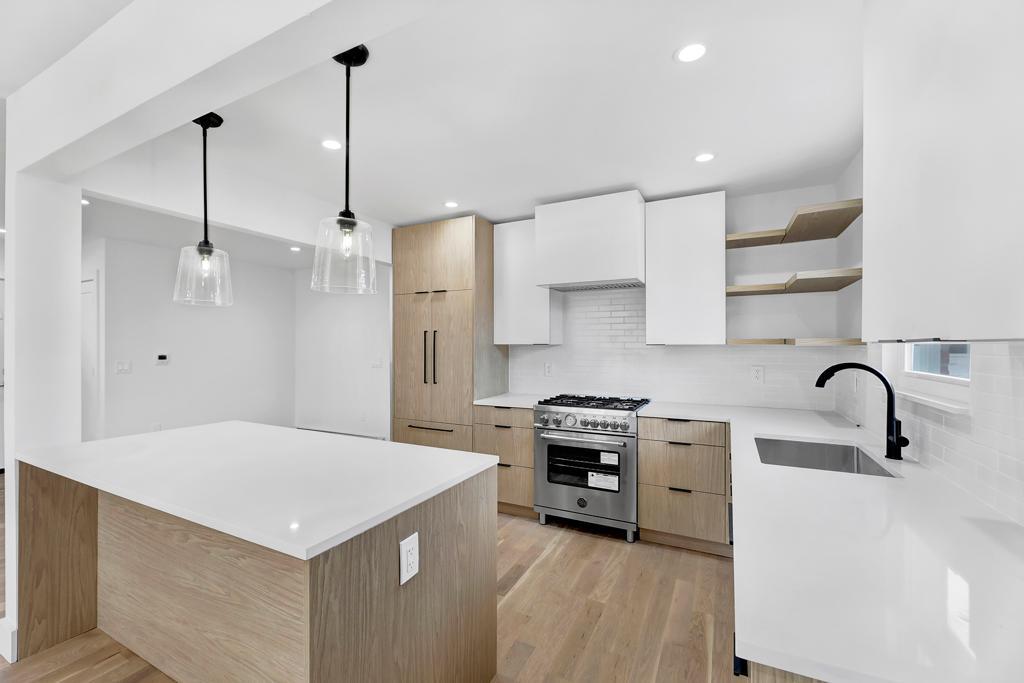
Upgrading to energy-saving appliances is a cornerstone of any green kitchen renovation. Look for the ENERGY STAR label on refrigerators, dishwashers, and ovens, which indicates products that meet strict efficiency guidelines. These appliances use less electricity and water, helping you lower your utility costs and carbon footprint.
For lighting, swap out incandescent bulbs for LED or CFL options. LEDs, in particular, consume up to 80% less energy and last much longer. Consider installing dimmer switches and motion sensors to further reduce electricity use. For inspiration on integrating modern lighting, explore kitchen remodeling hidden appliance ideas that keep your space sleek and functional.
Water Conservation Strategies
Reducing water waste is another key aspect of eco-friendly kitchen upgrades. Here are some practical steps:
- Install a high-efficiency faucet with aerators to limit flow without sacrificing performance.
- Choose a dishwasher with water-saving cycles and only run full loads.
- Fix leaks promptly to prevent unnecessary water loss.
- Consider a filtration system to reduce reliance on bottled water.
These changes not only conserve resources but also help you save money over time.
Flooring and Backsplash Options for a Greener Kitchen
When selecting flooring and backsplash materials, prioritize durability and low environmental impact. Some sustainable choices include:
- Cork: Harvested from the bark of cork oak trees without harming the tree, cork is renewable, comfortable underfoot, and naturally antimicrobial.
- Linoleum: Made from linseed oil, wood flour, and jute, linoleum is biodegradable and long-lasting.
- Recycled Tile: Glass or ceramic tiles made from recycled content offer unique style and reduce landfill waste.
Opt for locally sourced materials whenever possible to minimize transportation emissions. For more layout inspiration, see these kitchen remodeling cleaning zone layout ideas.

Reducing Waste During Your Kitchen Remodel
One of the most overlooked sustainable kitchen remodeling tips is to minimize waste throughout the renovation process. Here’s how you can make your project less wasteful:
- Donate usable cabinets, appliances, and fixtures to local charities or reuse centers.
- Recycle demolition debris such as metal, glass, and certain plastics.
- Plan your remodel carefully to avoid over-ordering materials.
- Work with contractors who prioritize recycling and responsible disposal.
By keeping materials out of the landfill, you contribute to a more circular economy and reduce your project’s environmental footprint.
Indoor Air Quality and Healthy Living
Eco-friendly kitchen renovations also focus on creating a healthier indoor environment. To improve air quality, use materials with low or zero VOCs and ensure proper ventilation. Range hoods that vent to the outside help remove cooking fumes, while houseplants can naturally filter the air. For cohesive design planning, refer to this kitchen remodeling style planning guide.
Planning and Executing Your Green Kitchen Remodel
Start by setting clear goals for your project, such as reducing energy use, improving air quality, or sourcing local materials. Research products and contractors who specialize in sustainable practices. For a step-by-step overview, consult this comprehensive kitchen remodel guide from The Spruce.
Remember, even small changes—like upgrading to efficient lighting or choosing recycled materials—can make a meaningful difference. Prioritize improvements that fit your budget and lifestyle, and look for opportunities to reuse or repurpose existing items.
Frequently Asked Questions
What are the most impactful eco-friendly upgrades for a kitchen remodel?
Switching to ENERGY STAR appliances, installing LED lighting, choosing low-VOC finishes, and using recycled or renewable materials for cabinets and countertops are some of the most effective ways to make your kitchen renovation more sustainable.
How can I reduce waste during my kitchen renovation?
Plan carefully to avoid excess material orders, donate usable items, recycle demolition debris, and work with contractors who follow green building practices. These steps help keep materials out of landfills and support a more sustainable project.
Are there affordable options for sustainable kitchen materials?
Yes, options like bamboo, cork, recycled glass, and reclaimed wood can be cost-effective, especially when compared to premium new materials. Shopping locally and reusing existing elements can also help manage costs while supporting eco-friendly goals.