Skip to content
Bruce Massey Construction Bruce Massey Construction

Where Vision Meets Precision

  • Home
  • About Us
  • Blog
  • Contact Us
    • Terms of Use
    • Privacy Policy
Bruce Massey Construction

Where Vision Meets Precision

Passive Cooling Techniques

Elan James, November 7, 2025February 12, 2026

Understanding and implementing passive cooling techniques can significantly reduce energy consumption and costs in your home. These methods utilize natural resources such as wind and sunlight to cool your home, reducing reliance on artificial cooling systems. This guide will explore several effective passive cooling techniques and how you can incorporate them into your home design.

Before we delve into the specifics, you might find it useful to understand the broader context of passive house design. You can learn more about this in our article on passive house design workflow.

Understanding Natural Ventilation

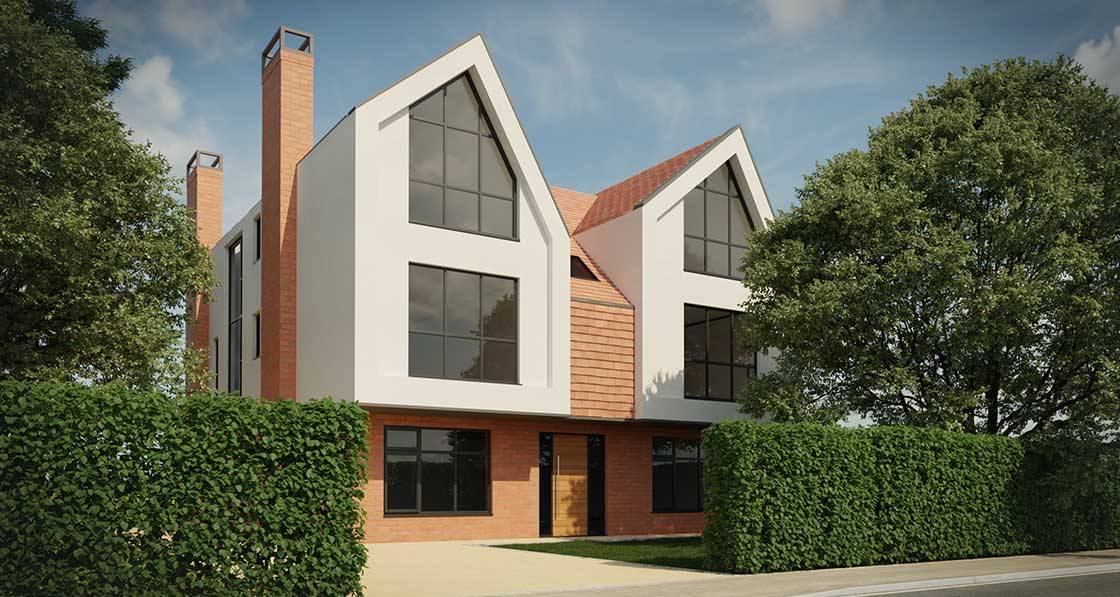
Natural ventilation is one of the most effective passive cooling methods. It involves designing your home in a way that promotes the flow of air, reducing the need for mechanical cooling systems. This can be achieved by strategically placing windows and vents to take advantage of wind direction and pressure differences.
passive cooling techniques Passive Cooling Techniques

Benefiting from Thermal Mass

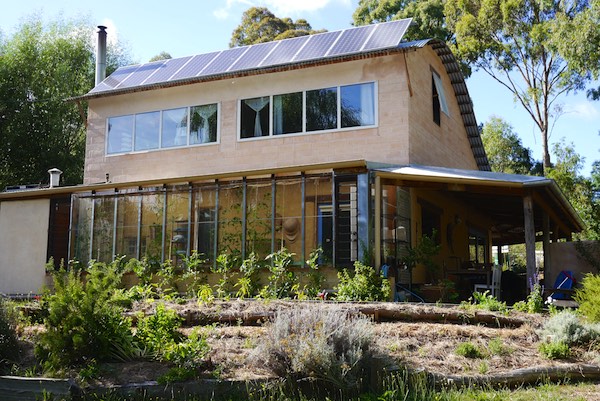
Thermal mass refers to materials that can store heat and slowly release it over time. Using these materials in your home can help maintain a comfortable temperature by absorbing heat during the day and releasing it at night when the temperature drops.

passive cooling techniques Passive Cooling Techniques

Shading and Reflective Surfaces

Shading your home from direct sunlight can significantly reduce heat gain. This can be achieved through landscaping, awnings, and other shading devices. Additionally, using reflective surfaces on roofs and walls can help deflect sunlight and reduce heat absorption.

For more information on passive house design, you can visit this descriptive anchor text.

Conclusion

Passive cooling techniques offer an eco-friendly and cost-effective way to keep your home comfortable. By understanding and implementing these methods, you can reduce your energy consumption and contribute to a more sustainable future. If you’re interested in tracking shading in your home, you can track shading via solar cam. Additionally, you can learn how to cool efficiently using sunlight.

Blog BlogHow-To Guidespassive cooling techniques

Post navigation

Previous post
Next post

Related Posts

Blog Indoor Air Quality

How to clean indoor air quality

August 16, 2023February 12, 2026

In today’s world, ensuring clean indoor air quality is more important than ever. For homeowners and real estate developers, understanding how to clean indoor air quality can make a tremendous difference in creating a healthy living environment. We are delighted to unveil some technology tips and strategies that can help…

Read More
Blog Plumbing New Home

Preventing water pressure issues in new homes

August 5, 2025February 12, 2026

Building a new home is an exciting journey, yet ensuring every detail functions well is crucial. One common challenge is preventing water pressure issues in new homes. Proper planning can make a significant difference. A focus on water pressure can save homeowners from future headaches. This article aims to provide…

Read More

What size hvac system do i need

July 19, 2024February 12, 2026

Choosing the right size HVAC system is crucial for ensuring optimal comfort, efficiency, and cost-effectiveness in both residential and commercial properties. But what size HVAC system do I need? This question often arises among homeowners and real estate developers as they seek the perfect balance between performance and energy savings….

Read More

Recent Posts

  • How Ventilation Affects Indoor Comfort
  • Kitchen Remodeling Lighting Types Explained for Better Design
  • Kitchen Remodeling Theme Ideas for Stylish Kitchens
  • Ventilation Load Calculations Explained
  • Air Filtration vs Ventilation Explained
©2026 Bruce Massey Construction | WordPress Theme by SuperbThemes