Proper ventilation for workshops is essential for maintaining a safe, comfortable, and productive environment. Whether you’re working with wood, metal, chemicals, or simply need to manage dust and fumes, ensuring good airflow is crucial for both health and equipment longevity. This article explores the key considerations, systems, and best practices for optimizing air quality in any workshop setting.
Alongside practical advice, you’ll find recommendations for equipment and links to further resources. If you’re also interested in creating harmonious and functional spaces elsewhere in your home, check out our kitchen remodeling visual balance tips for inspiration.

Why Effective Airflow Matters in Workshop Spaces
Workshops often generate dust, fumes, and heat from tools, machinery, and materials. Without proper air exchange, these contaminants can accumulate, leading to poor indoor air quality and potential health risks. Common issues include:
- Respiratory irritation from wood or metal dust
- Exposure to chemical fumes from paints, adhesives, or solvents
- Overheating during extended work sessions
- Condensation and moisture buildup, which can damage tools and structures
Investing in a well-designed system helps control these hazards, making your workspace safer and more enjoyable.
Types of Ventilation Systems for Workshops
There are several approaches to improving airflow, each suited to different workshop sizes and activities. The main options include:
- Natural ventilation: Relies on windows, doors, and vents to promote air movement. It’s cost-effective but may not be sufficient for workshops with heavy dust or chemical use.
- Mechanical ventilation: Uses powered fans and ductwork to actively move air in and out. This is more reliable for controlling contaminants and maintaining consistent air quality.
- Local exhaust systems: Target specific sources of dust or fumes, such as a downdraft table or fume hood, to capture pollutants at the source.
- Air filtration units: Supplement ventilation by removing fine particles and allergens from the air, especially in enclosed or high-dust environments.
For a deeper dive into the pros and cons of each method, see this overview of ventilation system types.
Key Features to Look for in Workshop Ventilation Solutions
Selecting the right setup depends on your workshop’s size, layout, and the activities performed. Here are some important factors to consider:
- Airflow capacity: Measured in cubic feet per minute (CFM), this determines how quickly air is exchanged. Larger or busier workshops require higher CFM ratings.
- Filtration efficiency: HEPA or carbon filters can capture fine dust and chemical vapors, improving air quality.
- Noise level: Choose quieter fans if you spend long hours in the workshop or need to minimize distractions.
- Ease of installation and maintenance: Look for systems that are straightforward to set up and keep clean.
- Energy efficiency: Modern fans and filtration units often include energy-saving features to reduce operating costs.
Popular Equipment Options for Workshop Air Quality
The following equipment types are commonly used to maintain healthy air in workspaces:
- Whole house or attic fans: These can quickly remove hot, stale air and bring in fresh air from outside.
- Ceiling exhaust fans: Ideal for removing fumes and moisture from above, especially in smaller or enclosed workshops.
- Portable air filtration kits: Useful for capturing dust and particulates near workstations or in areas with limited ventilation.
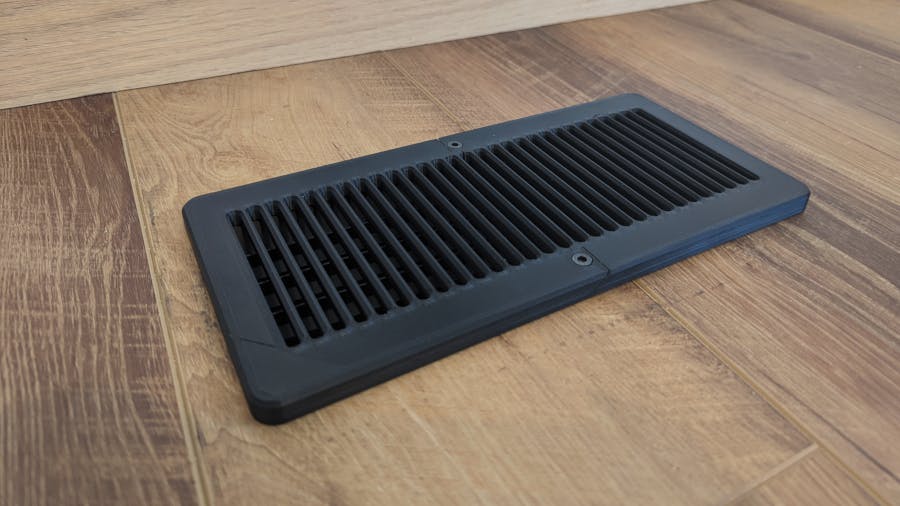
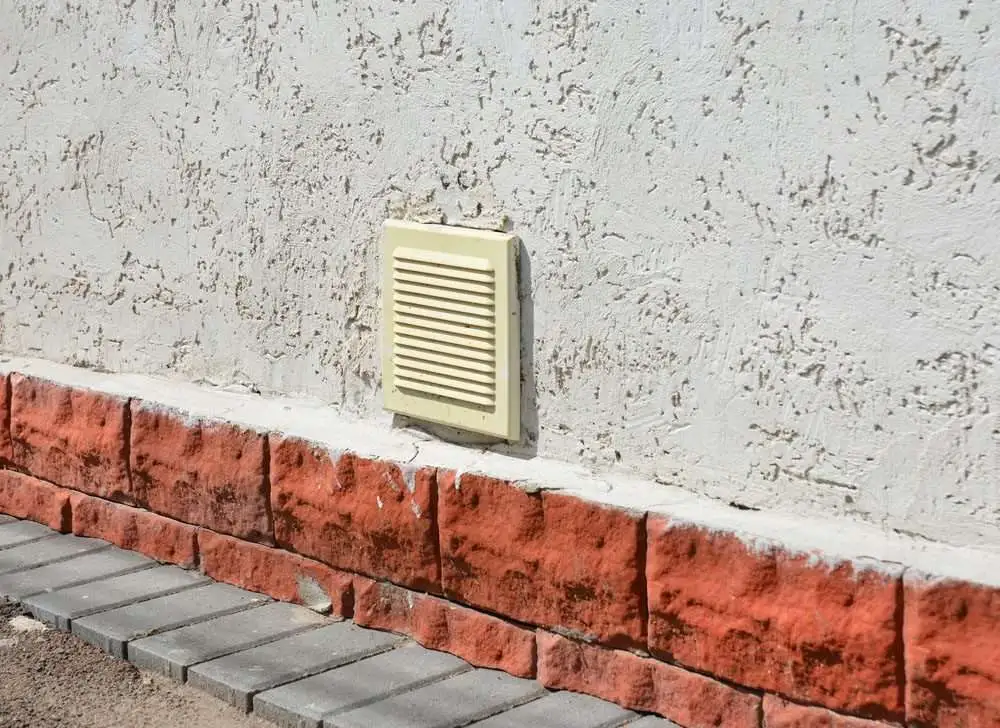
- Foundation or wall vents: Provide passive airflow and help prevent moisture buildup.
Installation and Maintenance Tips for Workshop Airflow
Once you’ve chosen your preferred system, proper installation and upkeep are vital for long-term performance:
- Position exhaust fans near the ceiling or above work areas to capture rising heat and fumes.
- Ensure intake vents or windows are located opposite exhaust points to promote cross-ventilation.
- Regularly clean or replace filters in fans and air purifiers to maintain efficiency.
- Inspect ductwork and vents for blockages or dust buildup.
- Test airflow periodically using smoke pencils or airflow meters to confirm adequate exchange rates.
Additional Considerations for Workshop Air Quality
Beyond mechanical solutions, a few practical habits can make a significant difference:
- Keep doors and windows open when possible to supplement airflow.
- Store chemicals and solvents in sealed containers and away from direct work areas.
- Use dust collection systems on power tools to minimize airborne particles.
- Monitor humidity levels to prevent mold and rust.
- Plan your workshop layout to avoid blocking vents or airflow paths with large equipment.
For those planning a broader renovation or seeking to coordinate workshop improvements with other areas, our kitchen remodeling style planning guide offers insights into creating cohesive and functional spaces throughout your property.
FAQ: Workshop Ventilation and Air Quality
What is the best way to ventilate a small workshop?
For compact spaces, a combination of a ceiling exhaust fan and a portable air filtration unit is often effective. Make sure there’s a clear path for fresh air to enter, such as a window or wall vent, and use fans to direct airflow away from your breathing zone.
How often should I replace filters in my workshop ventilation system?
Filter replacement frequency depends on usage and the type of work performed. As a general rule, check filters monthly and replace them every 3–6 months, or sooner if you notice reduced airflow or visible dust buildup.
Are there regulations for workshop ventilation?
Yes, commercial workshops and garages may be subject to local building codes and occupational safety standards regarding air quality and exhaust systems. Always consult local authorities or a qualified professional to ensure compliance with applicable regulations.
Can I use natural ventilation alone for woodworking or metalworking?
While opening windows and doors can help, mechanical systems are recommended for activities that generate significant dust or fumes. Supplementing natural airflow with exhaust fans or filtration units provides better protection for your health and equipment.
Conclusion
Investing in a robust ventilation for workshops setup is a smart move for anyone serious about safety, comfort, and productivity. By combining the right mechanical systems, regular maintenance, and good habits, you can ensure your workspace remains healthy and efficient for years to come.