
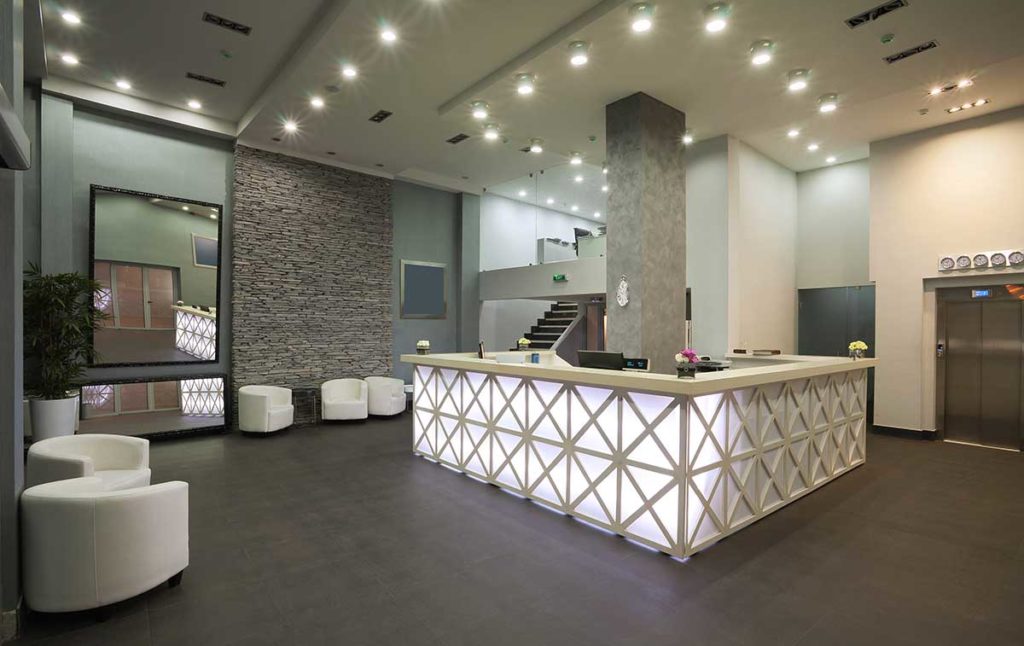

Completing a successful office buildout is a complex process with many moving parts. Drawing from real-world experience, there are valuable office buildout lessons learned that can help organizations avoid common pitfalls and achieve better results. Whether you are renovating an existing space or moving into a new one, understanding these insights can save time, money, and stress.
This article explores practical takeaways from completed projects, focusing on planning, design, budgeting, and long-term considerations. By learning from what others have encountered, you can make more informed decisions and set your team up for a smoother transition.
Before diving into the main lessons, it’s essential to address compliance and regulatory requirements early. For a detailed checklist on ensuring your project meets all necessary standards, refer to the office buildout inspection checklist.
Key Planning Insights From Completed Office Projects
One of the most significant office buildout lessons learned is the importance of thorough planning. Many projects that run into trouble do so because of overlooked details or unrealistic timelines. Here are some planning takeaways:
- Start Early: Begin the planning process months in advance. This allows time for approvals, permits, and design revisions.
- Engage Stakeholders: Involve department heads, IT, and facilities teams from the start to ensure all needs are captured.
- Define Clear Objectives: Set specific goals for the space, such as capacity, flexibility, and technology requirements.
- Account for Growth: Design with future expansion in mind to avoid costly modifications later.

Design and Space Utilization: Practical Lessons
Effective design is more than aesthetics; it directly impacts productivity and employee satisfaction. Real projects reveal several best practices:
- Prioritize Flexibility: Modular furniture and movable walls allow for easy reconfiguration as needs change.
- Natural Light: Maximize daylight access to improve well-being and reduce energy costs.
- Acoustic Planning: Address noise control early, especially in open-plan environments.
- Technology Integration: Plan for power, data, and AV needs during the design phase, not as an afterthought.
For more strategies on optimizing your workspace, consider reviewing this comprehensive office space planning guide.
Budgeting and Cost Control: Lessons From the Field
Budget overruns are a common challenge. Learning from real projects, here are some financial lessons:
- Build in Contingency: Allocate at least 10-15% of your budget for unforeseen expenses.
- Transparent Bidding: Obtain multiple bids and clarify what is included to avoid surprises.
- Track Changes: Document all scope changes and their cost implications in real time.
- Lifecycle Costs: Consider not just upfront expenses but also long-term maintenance and operational costs. For a deeper analysis, see the office buildout lifecycle costs resource.
Project Management and Communication Takeaways
Smooth execution depends on strong project management and clear communication. Some of the most valuable office buildout lessons learned in this area include:
- Dedicated Project Manager: Assign a single point of contact to coordinate between vendors, contractors, and internal teams.
- Regular Updates: Hold weekly meetings to review progress and address issues promptly.
- Documentation: Keep detailed records of decisions, approvals, and changes for accountability.
- Expect Delays: Build buffer time into your schedule for unexpected setbacks such as permit delays or supply chain issues.
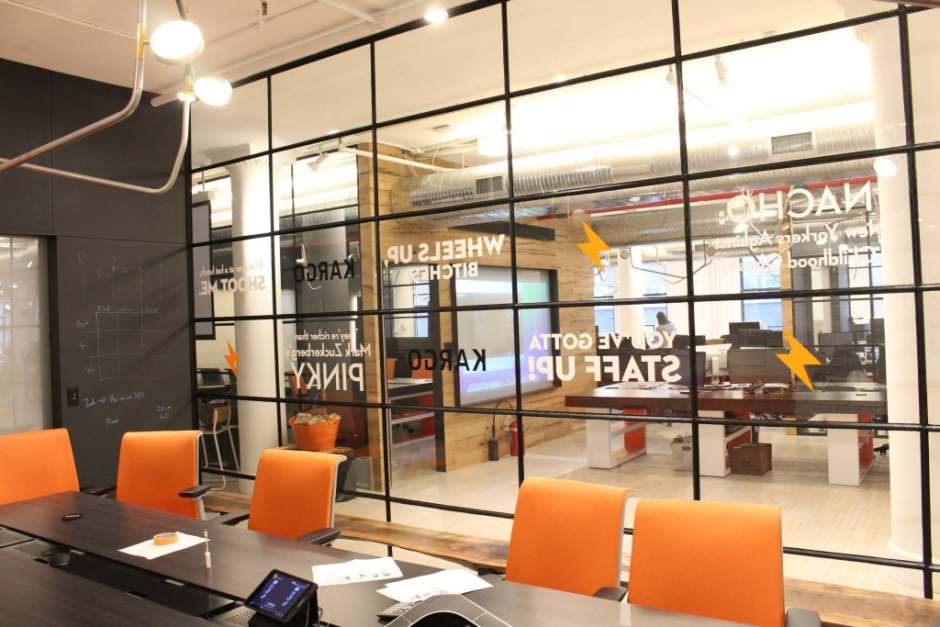
Long-Term Maintenance and Warranty Considerations
The work doesn’t end when construction is complete. Real-world experience shows the importance of planning for ongoing upkeep:
- Maintenance Planning: Establish a schedule for regular inspections and servicing of critical systems. For more on this, visit the office buildout long term maintenance guide.
- Warranty Tracking: Keep a centralized record of all warranties and service agreements. For clarity on this topic, see office buildout warranty considerations.
- Feedback Loops: Gather input from occupants after move-in to address any issues quickly and improve future projects.
Relocation and Change Management Insights
Moving into a new or renovated office is a significant change for any organization. Lessons from past projects highlight the need for careful planning and support:
- Early Communication: Inform employees about timelines and what to expect well in advance.
- Phased Moves: If possible, relocate in stages to minimize disruption.
- Support Resources: Provide orientation materials and on-site assistance during the transition. For a step-by-step approach, check the office buildout relocation planning resource.
Frequently Asked Questions
What are the most common mistakes in office buildouts?
Some frequent missteps include underestimating the time required, failing to involve key stakeholders early, overlooking technology needs, and not budgeting for unexpected costs. Learning from these errors can help ensure a smoother process.
How can I keep my office buildout on budget?
To control costs, create a detailed budget with a contingency fund, obtain multiple bids, track changes diligently, and consider both upfront and long-term expenses. Regular reviews and transparent communication with contractors are also essential.
Why is post-move feedback important?
Gathering feedback after occupancy helps identify any issues with the new space, such as comfort, functionality, or maintenance needs. This input is valuable for making adjustments and for planning future projects more effectively.

